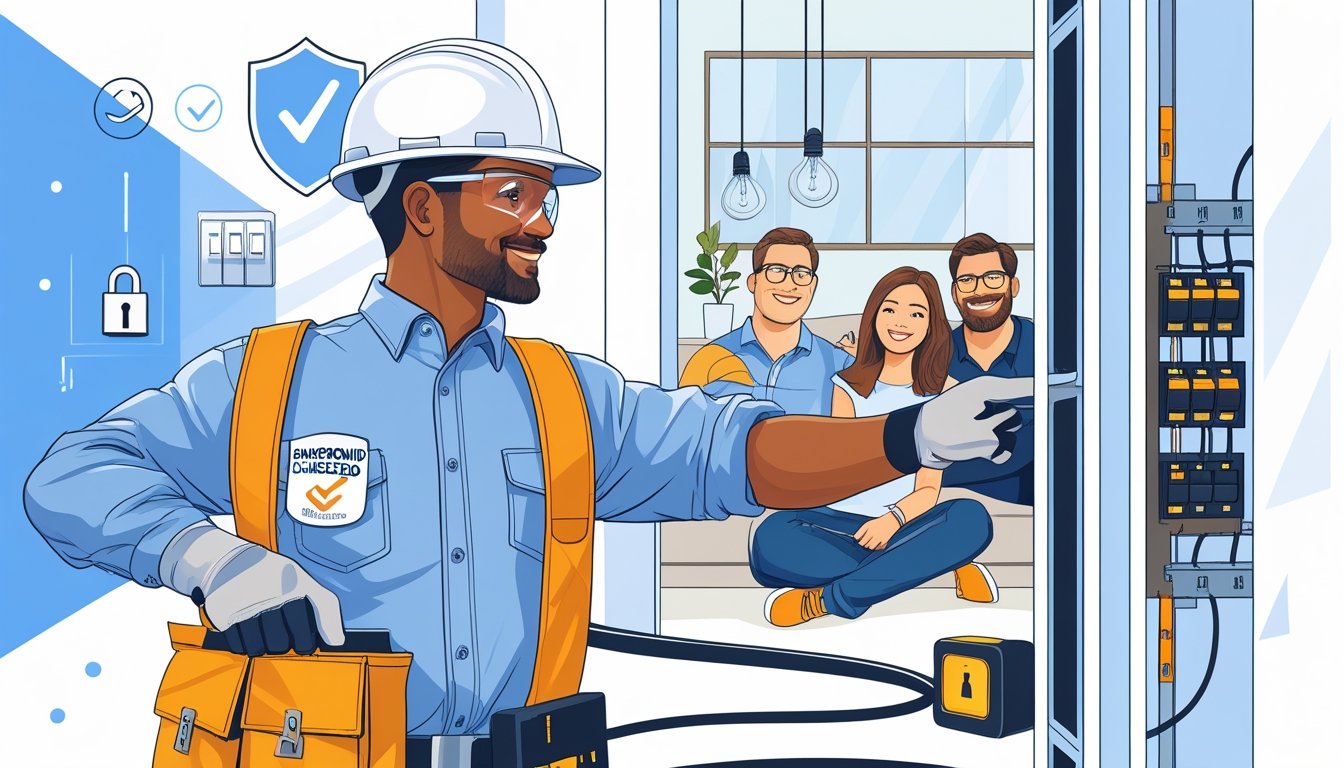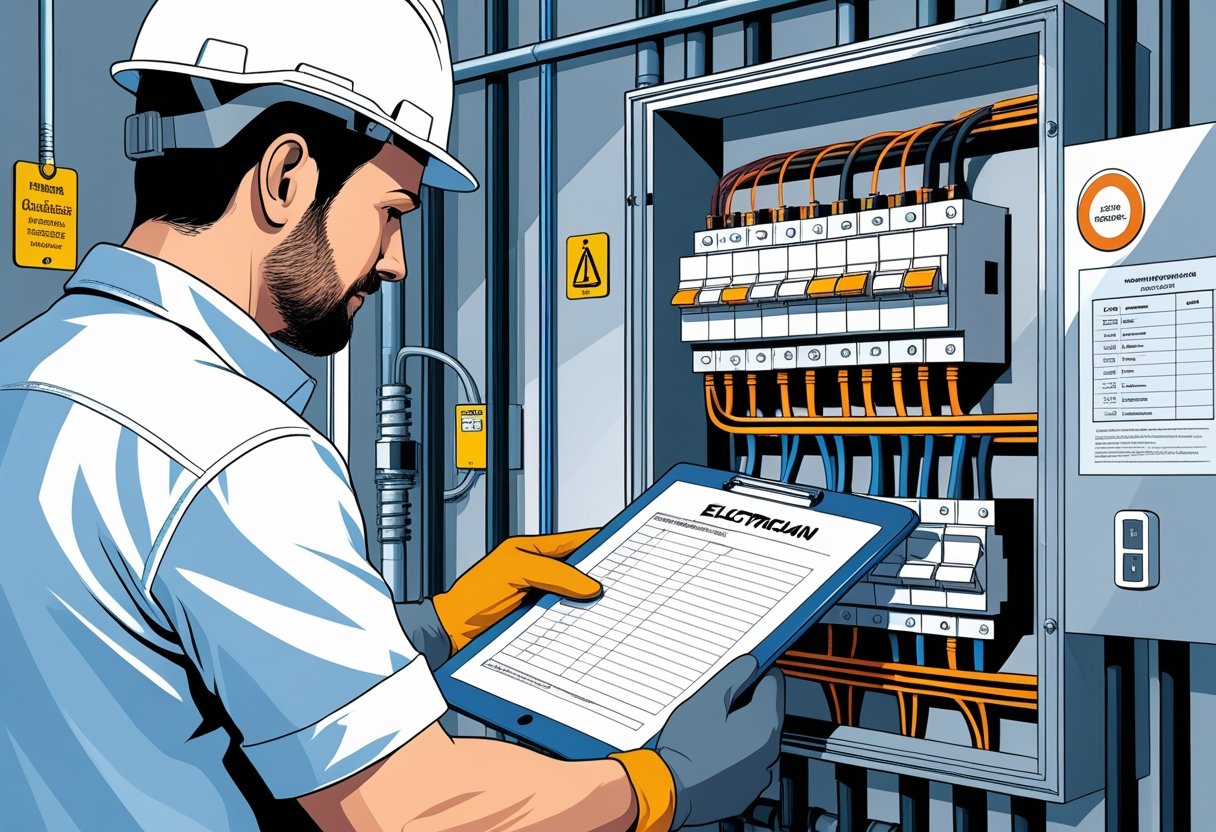
Making sure your electrical system meets local codes is crucial for your family’s safety and your home’s value. Honestly, the simplest way to stay on the right side of code? Hire licensed professionals who actually know the rules and do thorough inspections. That’s how you avoid hazards like overloaded circuits, loose wiring, or outdated panels.
When you call AAA Electrical Services, you’re getting over 40 years of experience in Sacramento, Roseville, Elk Grove—pretty much the whole area. Their licensed techs show up with stocked vans, ready to fix or upgrade things fast and without making a mess. That means fewer surprises and a safer home.
Trying to wrap your head around code requirements? It can feel overwhelming, but a detailed electrical inspection can catch issues before they turn into expensive headaches. Whether you’re upgrading your panel, adding an EV charger, or just want peace of mind, knowing your system follows the rules keeps your family protected.
Understanding Local Electrical Codes
Knowing what local codes require helps you keep your home safe and up to standard when doing repairs or upgrades. These rules spell out how electrical systems should be installed and maintained. They’re there to protect you from fire, electrical shock, and just plain bad wiring.
What Are Local Electrical Codes
Local electrical codes are rules set by your city or county that control how electrical wiring and devices must be installed in homes. Sure, they’re based on national standards, but every area tweaks them a bit.
They cover wire sizes, breaker panels, outlets, and more. If you skip these rules, you risk fines, failed inspections, or worse—safety problems.
Licensed electricians, like the folks at AAA Electrical Services, know these codes inside and out. They’ll help you get permits and make sure your work passes inspection.
Why Electrical Compliance Matters
Following electrical codes keeps your family and property safe. Proper wiring reduces the risk of fires, shocks, and power issues. Plus, most home insurance policies require you to meet code.
If you ever plan to sell your home, inspectors will check your electrical system. If it’s not up to code, you could be stuck with repairs before you can close.
Working with licensed, background-checked pros helps you avoid mistakes that lead to expensive fixes down the road.
Common Code Requirements
Local codes usually focus on these basics:
- Circuit Breakers: Panels need the right size breakers for each circuit.
- Wiring: Use the correct gauge and type, and make sure it’s protected.
- Grounding: You need proper grounding to prevent shocks.
- Outlets: GFCIs are a must in wet areas (kitchens, bathrooms).
- Permits: Most electrical work needs permits and inspections.
There aren’t shortcuts here. AAA Electrical Services offers flat-rate pricing and same-day service, so you get things done right and fast.
Pre-Project Planning for Code Compliance
Before you start any electrical project, a little planning goes a long way. You’ll want to know the local rules, get the right permits, and hire licensed professionals who follow safety standards. Good prep keeps your home safe and your project on track.
Researching Local Regulations
Electrical codes change from city to city, so always check with your local building department. Most have info online or you can call them.
Pay attention to rules about wiring types, breaker ratings, outlet locations, and special stuff like EV chargers or solar panels. Details like these matter.
Write down the codes and requirements for your project. Saves you from headaches and expensive changes later.
Securing Permits and Approvals
Most electrical work needs a permit before you begin. Permits mean your work will get inspected for safety.
To get a permit, submit your project plan—wiring diagrams, equipment specs, the works—to the local building office.
Permits protect you by making sure inspectors check things along the way. No permit? You’re risking fines or trouble selling your house later.
Leave extra time for permit approval. It’s not optional if you want safe, legal upgrades.
Hiring Licensed Electricians
Working with licensed electricians is the only way to guarantee code compliance and safety. Licensed pros know the rules and have the training to get it right.
Look for companies like AAA Electrical Services. Their certified, background-checked techs focus on safety, give honest pricing, and show up the same day.
Licensed electricians also carry insurance, so you’re not liable if something goes wrong. If you hire someone unlicensed, you’re rolling the dice with safety and code violations.
Ask about certification and experience with your type of project. It’s worth it for quality work that’s done right.
Key Steps for Ensuring Code Compliance
To keep your electrical system safe and legal, you’ve got to use the right materials, install circuits properly, and make sure safety devices like GFCIs and AFCIs are in place. These steps help protect your home from shocks and fires.
Selecting Approved Materials
Start with approved materials. They’ve passed safety tests and meet performance standards. Always go for cables and breakers that are UL-listed or certified by a legit testing agency.
Skip the bargain-bin parts—they’re not worth the risk. You want materials that match your home’s electrical load and the environment. For outdoor stuff, make sure the wiring is rated for weather.
Not sure what’s right? Ask a pro. AAA Electrical Services can help you pick safe, code-compliant parts for Sacramento and nearby areas.
Correct Circuit Installation
Install circuits the right way. That means using the right wire gauge, breaker size, and making secure connections. This keeps things from overheating or catching fire.
Label your circuits clearly—makes life easier during inspections and everyday use. If you’re opening up walls, leave them open until after inspection so everyone can see the wiring.
Always make sure connections are tight and inside electrical boxes. Loose wires can arc or short out, which is a big safety risk. Licensed electricians get this right the first time.
GFCI and AFCI Protection
GFCIs and AFCIs are lifesavers, seriously. GFCIs cut power if they sense a current leak—super important near water, like in kitchens, bathrooms, or outdoors.
AFCIs spot dangerous arcs in wiring, which can cause fires. You’ll find these in bedrooms, living rooms, and other spaces per code.
Test these devices regularly and make sure they meet local codes. If you’re not sure, let AAA Electrical Services handle the install or checkup.
Verifying Proper System Grounding
Grounding protects your home from electrical faults and shocks. It safely directs stray currents into the earth, cutting down fire risks and equipment damage. If you know how your main panel is grounded and how everything’s bonded together, you’re already ahead of the game.
Main Panel Grounding Techniques
Your main panel needs a solid ground, usually a rod driven into the earth right outside your house. A thick copper wire runs from the panel to this rod—make sure it’s secure and the right size so it won’t overheat during a fault.
Some homes use metal water pipes for grounding, but that only works if the pipes are continuous and touch the earth. If you’ve got a generator or solar panels, those need grounding too.
Check grounding connections for tightness and corrosion. If you’re not confident, have a licensed electrician from AAA Electrical Services take a look.
Bonding Requirements
Bonding ties all the metal parts of your electrical system together—pipes, enclosures, grounding wires—so stray electricity has a safe path. This prevents dangerous voltage on things you might touch.
Most codes require bonding between the ground wire, water pipes, and other metal parts connected to your electrical system. Even gas lines sometimes need bonding.
Inspectors will look for continuous, unbroken bonds. AAA Electrical Services pays close attention to bonding when they do upgrades or repairs, so your home stays safe and code-compliant.
Safe Wiring Practices
Good wiring is the backbone of a safe, code-compliant home. Use the right wiring methods and install cables and conduits carefully to avoid shocks or fires. It’s one detail you don’t want to overlook.
Wiring Methods to Meet Codes
Stick with materials your local code approves. Copper wire’s the standard—it conducts well and doesn’t corrode easily. Always use the right gauge for the load, or you risk overheating.
Keep connections tight. Use proper wire nuts or connectors, never just tape. Color coding matters: black or red for hot, white for neutral, green or bare for ground.
Don’t run wires through wet or hot spots unless the insulation’s rated for it. Keep wiring neat and supported; sagging or tangled wires are just asking for trouble.
Conduit and Cable Installation
Conduit protects wiring from damage and often meets code requirements. Whether you use metal or PVC, make sure it’s sealed and supported properly.
Follow spacing and depth rules for cables, especially inside walls or ceilings. Never bury cables directly in the ground unless they’re in conduit.
When pulling cables through conduit, avoid sharp bends. Too-tight bends can damage wires and cause shorts. Leave a little extra cable at junction boxes for future tweaks.
AAA Electrical Services helps homeowners in Sacramento and nearby areas get wiring done safely and to code. Their techs show up fast and have what they need in the van, so your wiring’s done right the first time.
Inspection and Testing
Checking your electrical system for safety and code compliance means inspecting and testing everything—wiring, breakers, panels. It’s about catching issues like damage or outdated parts, and keeping a record of what’s been fixed.
The Importance of Inspections
Regular inspections catch problems before they get dangerous. Inspectors look at wiring, breaker function, and grounding to make sure everything’s safe.
If you’re in Sacramento, Roseville, wherever—inspections make sure you’re following local codes, which change over time. Having AAA Electrical Services do it means you get pros who know the local rules.
Common Issues Found in Inspections
Inspectors often spot overloaded circuits, loose connections, and old panels that don’t meet today’s standards. Improper grounding and damaged wires pop up a lot too.
Breakers might be faulty or the wrong size for the circuit. Clear labels and open walls help inspectors do their job. Fixing these issues now saves you from bigger problems later.
Documentation and Record Keeping
After inspection, you should get a report showing what was checked and any repairs made. Keep these records—they prove your home meets safety codes.
This paperwork matters if you sell your house or need future inspections. AAA Electrical Services gives you detailed reports for peace of mind. Store them somewhere handy.
Staying Up To Date With Code Changes
Keeping your electrical system safe means staying on top of code updates and making sure all work meets the latest standards. That means checking for changes now and then, and working with pros who keep their training fresh.
Monitoring Code Updates
Electrical codes like the National Electrical Code (NEC) change every few years as new safety concerns and technologies pop up. If you want your home to stay safe (and legal), it’s worth keeping tabs on these updates. You could check official websites or just talk to a licensed electrician who actually keeps up with the latest changes.
When your home needs work, hiring someone up to date on codes means your repairs or upgrades will meet current standards. AAA Electrical Services, for example, always keeps an eye on code changes to help protect your family and your house. Honestly, you don’t need to memorize every new rule—just find experts who handle it.
Ongoing Training for Compliance
Electricians really have to stay on their toes. They’re always learning—taking courses, earning certifications, heading to workshops. That’s how they keep their skills sharp and stay safe on the job.
When you choose a licensed electrician, you’re trusting someone who’s committed to learning as the rules change. That means your electrical system will pass inspections and meet local codes. Electricians who keep training help prevent headaches like faulty wiring or breaker issues, so your home stays safer in the long run.
Handling Non-Compliance Situations
If you realize your electrical system isn’t up to code, it’s important to spot the problems and fix them fast. Quick action keeps your home safer and helps you avoid fines or bigger hassles down the road. Let’s talk about how you can identify code violations and what to do about them.
Identifying Violations
Start by looking for the usual suspects: damaged wires, overloaded outlets, or old panels. Flickering lights, breakers that trip a lot, or warm outlets can all hint at trouble.
You might want to use a residential electrical inspection checklist or just bring in a licensed electrician for a thorough look. Make sure whoever you hire knows the Sacramento-area codes.
Watch for missing permits or failed inspection reports—those are red flags. Snapping photos and jotting down notes can help you keep track of what you find.
Correcting Issues Efficiently
Once you know what’s wrong, figure out your plan. Fix the big safety hazards first—stuff like exposed wires or bad breakers. Always use licensed electricians who actually follow local rules.
Teams like AAA Electrical Services can often handle repairs quickly since they keep their vans stocked. Many times, they’ll get things sorted in just one trip, which is honestly a relief.
Keep records of everything fixed and grab a new safety certificate if you need one. That way, you’ve got proof your system is up to code—and you can relax a bit.
Consulting With Local Authorities
Before you start any electrical project, check in with your local building department. They’ll tell you what codes and permits you need. Skipping this step can lead to fines or, worse, unsafe work.
Cities like Sacramento, Roseville, Elk Grove, and Carmichael each have their own rules for wiring, panels, and generator installations. Reaching out early can save you a ton of hassle.
When you contact them, ask about:
- Permits you’ll need
- When inspections happen
- What materials and methods are approved
Sticking to these rules helps your electrical system meet safety standards.
AAA Electrical Services works closely with local officials to make sure your home’s up to code. They’ll handle the paperwork and inspections, so you don’t have to sweat the details.
You’ll get the benefit of licensed pros who really know your area’s rules. Their flat-rate pricing and well-stocked vans mean you get fast, reliable service—no nasty surprises.
Honestly, taking this step shows you care about your family’s safety and helps keep your home protected for the long haul.
Frequently Asked Questions
Meeting local electrical codes isn’t just ticking boxes—it’s about knowing what rules apply to each part of your home and making sure you follow them. That covers everything from wiring rules to where outlets go, and how to wire places like garages or bedrooms.
What steps should I take to verify that my electrical setup complies with the most current local regulations?
Start by checking with your city or county building department for the latest codes. Bring in a licensed electrician to inspect your system and spot any issues. Make sure all work has the right permits and passes inspections.
Can you explain the various electrical code requirements for a residential garage setup?
Garages need their own circuits for tools and lighting. You’ll need GFCI outlets to prevent shocks. Make sure there’s enough lighting and outlets so you’re not relying on sketchy extension cords.
What are the minimum standards for outlets near an electrical panel according to code?
You need at least one outlet within 25 feet of the panel, and it should be easy to reach—no moving stuff out of the way. That’s both for convenience and safety when you’re working on the panel.
Why is adherence to local electrical codes crucial during the installation of electrical systems?
Following codes keeps your system safe, reduces fire risk, and protects your family from shocks or overloads. It also helps your home pass inspections and keeps your insurance valid.
How can I ascertain if the wiring in my home adheres to the National Electrical Code (NEC)?
Hire a licensed electrician for a full inspection. They’ll check wire size, connectors, breakers, and grounding to see if it all matches NEC standards. This is especially important if your wiring’s old or you’ve been having problems.
What are the specific electrical code regulations for bedrooms in a residential home?
Bedrooms need a certain number of outlets spaced out so you’re not tempted to run extension cords everywhere. You’ve also got to have smoke detectors that run off the home’s electrical system. Lighting and switches should be easy to reach—nobody wants to fumble around in the dark.
If you’re not sure about the details, AAA Electrical Services covers Sacramento and nearby areas. They send out certified techs who show up the same day, stick to flat-rate pricing, and take safety seriously. That way, you don’t have to worry about whether your bedroom wiring is up to code.