Flickering lights can be more than just an annoyance—they can signal a problem with your home’s electrical system. The most common cause of flickering lights is loose wiring or a faulty connection that needs prompt attention to keep your family safe.
Ignoring the issue can lead to bigger problems, so fix it quickly. If you notice flickering in just one room, it often points to issues like a loose bulb, a bad switch, or a circuit breaker problem.
Flickering throughout your home may mean overloaded circuits or wiring issues. That’s when expert help is important.
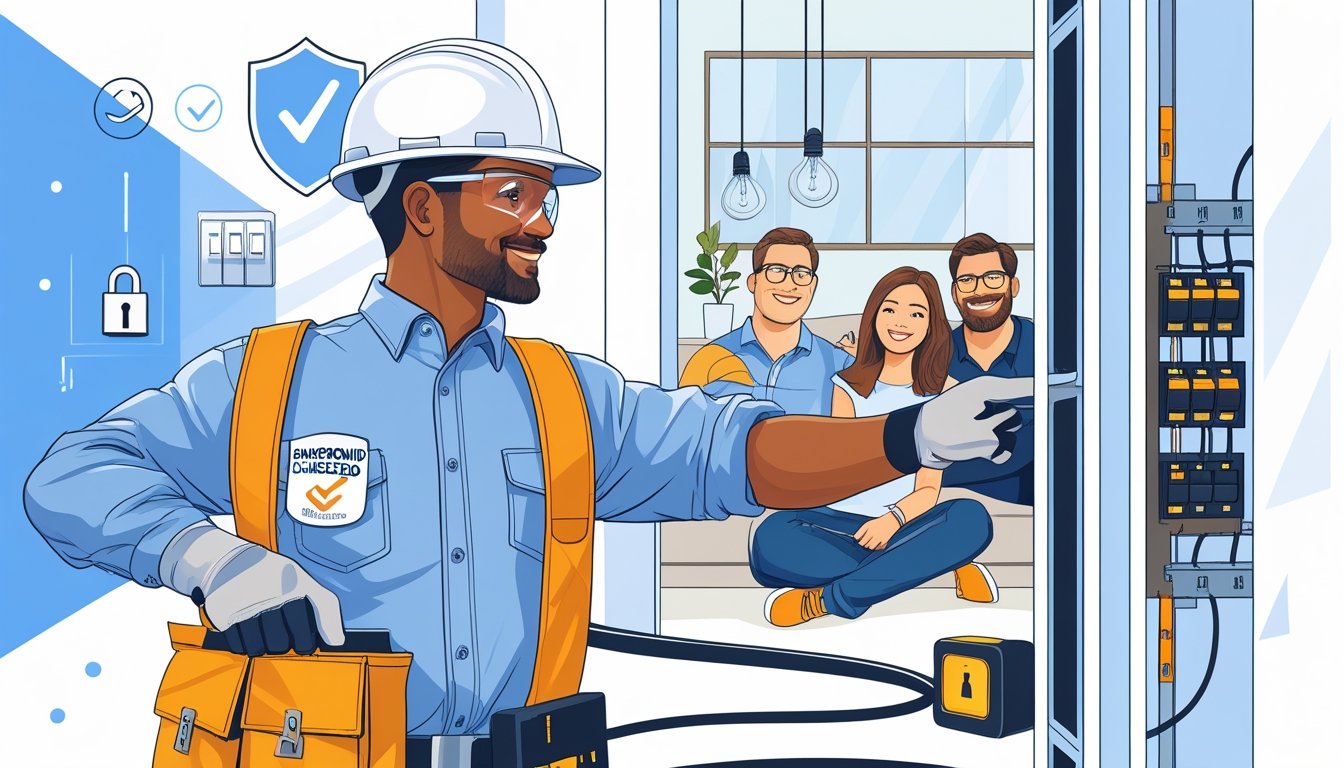
AAA Electrical Services offers same-day service with fully licensed technicians. They bring stocked vans for fast repairs and focus on safety and honest pricing.
Understanding Flickering Lights
Flickering lights can happen for different reasons and in many patterns. Some flickers are easy to spot, while others happen at random.
Knowing the causes and types of flickering helps you decide when to fix it yourself or call a pro.
What Causes Flickering Lights?
Flickering usually means there’s an electrical issue nearby. Common causes include loose wiring, faulty switches, or problems with your circuit breaker.
Sometimes, a specific light bulb causes the flicker because it’s old or has a bad connection. If flickering occurs in only one room, it often points to wiring issues in that area.
Larger flickers affecting the whole house might mean a problem with your electrical panel or the main power supply. If you notice flickering lights often or they come with buzzing sounds, call a professional like AAA Electrical Services.
They offer same-day service and arrive with everything needed to fix problems fast.
Types of Flickering Patterns
Lights can flicker in different ways. You might see:
Rapid flickering: Lights blink quickly on and off.
Slow flickering: Lights dim and brighten slowly.
Occasional flickering: Flashes happen once in a while.
Constant flickering: Lights keep turning on and off nonstop.
Each pattern means something different. Rapid flickering can mean loose wiring, while slow changes might come from dimmer switches or voltage changes.
Occasional flickers are often caused by something external, like a heavy appliance turning on. Recognizing these patterns helps you explain the issue clearly when you ask for help.
Identifying Consistent Versus Random Flickering
Consistent flickering happens regularly in the same light or room. This could point to one light fixture, a specific switch, or a wiring issue in that circuit.
Random flickering happens without a pattern and sometimes affects multiple rooms. This may be caused by problems in the main panel, loose service connections, or outside power supply issues.
Tracking when and where flickering happens helps your electrician fix the problem faster. AAA Electrical Services technicians diagnose both types quickly and often repair flickering lights the same day.
Safety Precautions Before Troubleshooting
Before fixing flickering lights, take steps to protect yourself and your home. Cut power safely, use the right tools, and know when to call a pro.
Turning Off the Power
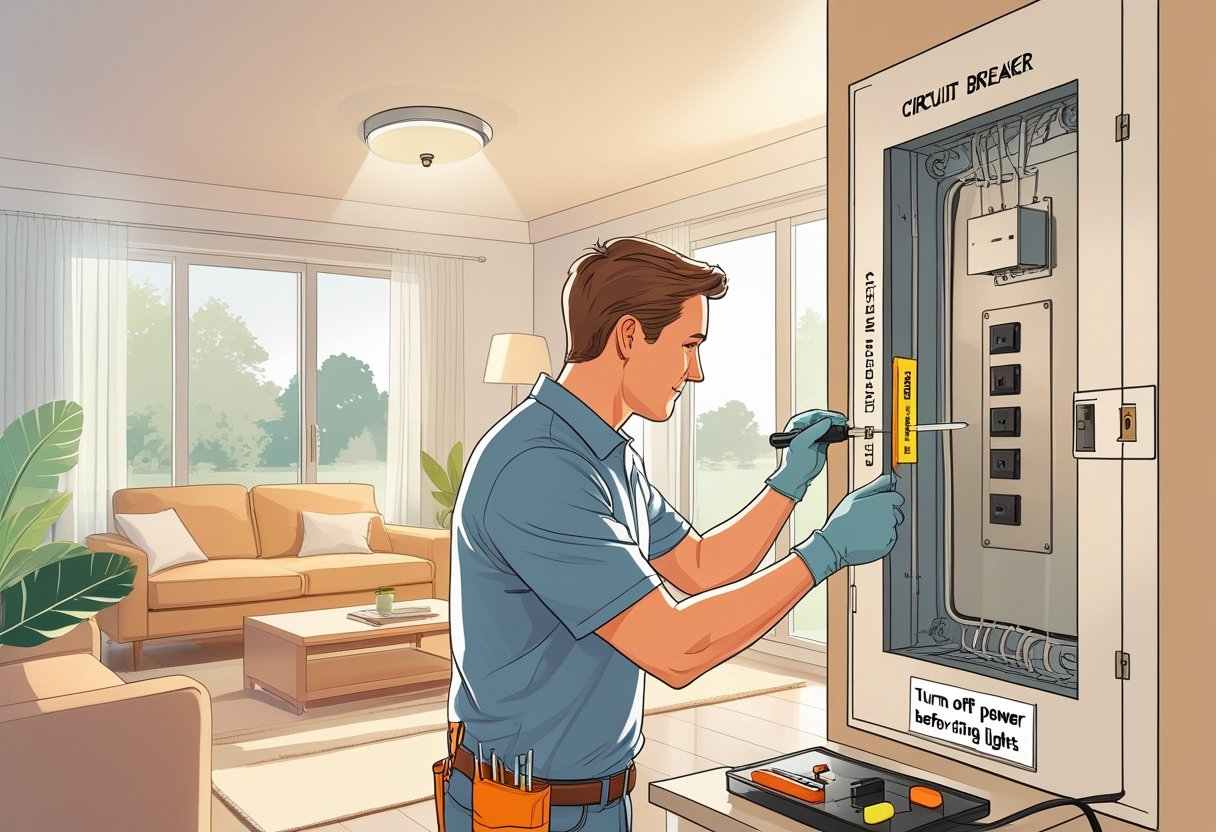
Always turn off the power to the area you’ll work on before touching any electrical parts. Find your home’s circuit breaker panel and switch off the breaker for the flickering light or the whole room if you’re unsure.
Double-check that the power is off by flipping the light switch or using a voltage tester. This prevents electric shocks.
Never touch wires before turning off the power. If you’re unsure how to find the right breaker, call AAA Electrical Services for help.
Using Proper Tools and Equipment
Use tools made for electrical work like insulated screwdrivers, voltage testers, and wire strippers. These tools help keep you safe.
Avoid using damaged or makeshift tools. Buy or rent the right equipment if you don’t have it.
Wear rubber-soled shoes and avoid working in wet or damp areas. Stand on a dry ladder or sturdy stool to stay steady and safe.
When to Hire a Licensed Electrician
If flickering lights come back after simple fixes, or if you see sparks or smell burning, stop and call a licensed electrician. These signs point to serious wiring issues.
Complex electrical problems often hide deep in your wiring or breaker box. AAA Electrical Services offers same-day service with certified professionals.
Hiring a pro means you get honest pricing and clear communication. Don’t risk your home or safety by trying to fix big electrical problems yourself.
Common Causes of Flickering Lights
Flickering lights usually happen because of simple issues around your home’s wiring or electrical parts. Often, the problem is easy to spot and fix when you know what to look for.
Common trouble spots include loose bulbs, faulty switches, and problems with dimmers.
Loose Light Bulbs or Fixtures
A bulb that isn’t tightened properly can cause flickering. When a bulb moves slightly, the connection inside the socket becomes unstable.
Sometimes, the fixture itself is the issue. If wires inside the fixture are loose or damaged, the light won’t get steady power.
Always turn off the power before checking bulbs or fixtures. Remove the bulb and screw it back in firmly.
If flickering still happens, check the fixture’s wiring or call a professional. AAA Electrical Services provides safe, same-day fixes.
Faulty Light Switches
A flickering light can also be caused by a bad switch. Over time, switches wear out and create weak connections.
Flickering that happens only when you flip the switch is a sign the switch might be the issue. Loose or damaged wiring at the switch can cause sparks or flickers.
Sometimes, the switch feels warm or sticky, which means you should stop using it and get a repair. Faulty switches can also lead to safety hazards.
If you notice flickering linked to a switch, call certified electricians who can quickly fix it.
Dimming Control Issues
If you have a dimmer switch, flickering can be a sign of incompatibility or wiring problems. Not all bulbs work well with dimmers.
For example, some LED bulbs need dimmers designed just for LED use. Wrong or old dimmers can cause flicker or buzzing sounds.
Loose dimmer wiring can also cause unstable power flow. If flickering starts after you add a dimmer or change bulbs, check that your bulbs and dimmers match.
Work with licensed pros who use proper tools and parts. AAA Electrical Services offers solutions to fit your home’s needs and keeps your family safe.
Troubleshooting Flickering Lights
Flickering lights can be caused by many things, from a simple burnt-out bulb to loose wiring. Carefully checking your bulbs, fixture connections, and wall switches can often fix the problem.
Inspecting and Replacing Bulbs
Start by turning off the light and letting the bulb cool down. Flickering often happens because the bulb is old or loose.
Remove the bulb and check for visible damage, like dark spots or broken filaments. Replace the bulb with a new one that matches the correct wattage.
Make sure the new bulb is screwed in tightly but not too tight. LED bulbs are less likely to flicker and use less energy.
If flickering continues after changing the bulb, the issue might be the fixture or wiring.
Checking Fixture Connections
Loose or damaged connections inside the light fixture can also cause flickering. Turn off power to the fixture at the breaker before looking inside.
Remove the fixture cover and check if any wires are loose or disconnected. Look for signs of wear, such as frayed wires or burn marks.
Tighten wire nuts and screws to secure connections. If you’re not comfortable working with wiring, call a licensed electrician.
AAA Electrical Services offers same-day help with this type of repair. Their technicians arrive with parts to fix many problems in one visit.
Testing Wall Switches
A faulty wall switch can make your lights flicker or go out unexpectedly. Turn off power and remove the switch cover plate to check for loose wires or damage.
Gently wiggle wires to see if the lights stop flickering. If the switch looks worn or damaged, replace it with a new one.
Switches are affordable and easy to swap out, but always cut power and double-check before handling wires. If the problem remains, call in professional help.
Licensed electricians can safely test and replace switches.
Electrical System Issues
Flickering lights often mean there is a problem with your electrical system that needs attention. You might have faulty wiring, overloaded circuits, or loose connections around your main panel.
Fixing these issues quickly helps keep your home safe.
Problems With Wiring or Outlets
Loose or damaged wiring is a common cause of flickering lights in just one room. If wires inside the walls or at your outlets aren’t secure, the current can switch on and off, causing lights to flicker.
Old or worn outlets may also be to blame, especially if plugs don’t fit tightly or feel warm to the touch. If lights flicker when you plug in certain devices, the outlet may need replacing.
Check for signs like buzzing sounds, scorch marks, or frequent tripping breakers. These indicate safety risks that require a professional electrician.
Overloaded Circuits
Sometimes, your circuit is trying to power too many devices at once. This overload causes the voltage to drop and the lights to flicker.
This is common in older homes or rooms with many appliances. You might notice breakers tripping often or dimming lights when large appliances run.
Reduce flickering by moving some devices to different circuits or limiting how many things you use at once. For a permanent solution, upgrading your panel or adding circuits can help.
AAA Electrical Services offers same-day help with these fixes.
Main Panel Connection Concerns
Your home’s main panel controls how electricity flows throughout every room. If connections here are loose or worn, power can fluctuate, causing flicker in multiple rooms or the whole house.
Corrosion or damaged breakers in the panel also pose fire risks. Have a licensed electrician inspect your main panel regularly.
Proper maintenance can catch issues before they become dangerous. AAA Electrical Services can check your panel and make safe repairs quickly.
Advanced Solutions for Persistent Flickering
If flickering lights won’t stop, deeper electrical issues may be the cause. You might need to upgrade parts of your system or handle voltage problems to keep your home safe.
Upgrading Electrical Components
Old or damaged electrical parts can cause flickering that won’t go away. Upgrading your circuit breakers, switches, or wiring can solve these problems.
Replacing a faulty circuit breaker can stop power surges that make lights blink. If your wiring is outdated or worn, new wiring improves reliability and safety.
AAA Electrical Services offers same-day service with fully stocked vans. Most repairs or upgrades happen quickly and cleanly.
Upgrades help future-proof your home, especially if you add new devices like EV chargers or solar panels. Keeping your home's electrical system updated protects your family’s safety.
Addressing Voltage Fluctuations
Voltage changes can make lights flicker even if your wiring looks fine. These fluctuations might come from too many devices running at once or from issues outside your home.
A technician can test your voltage levels. They can also install surge protectors or voltage regulators to keep power steady.
If voltage swings come from the grid, your technician might recommend a whole-house surge protector. This protects all your devices and prevents flickering caused by spikes or drops in power.
AAA Electrical Services uses state-certified pros who ensure the fix is done right the first time. The company offers honest pricing and clear communication.
This service covers Roseville, Rocklin, Elk Grove, and nearby areas. You get safety and peace of mind for your family.
Preventing Future Flickering Issues
Keeping your lights steady means checking your home’s wiring and how you use electricity. Good habits and regular care can stop flickering before it starts.
You can protect your home’s safety by being aware of key maintenance tasks. Using devices properly also helps.
Routine Electrical Inspections
Regular electrical inspections help find problems before they cause flickering or worse issues. An expert will check for loose wires, worn outlets, and signs of overheating.
These small fixes prevent hazards like shorts or fires. Schedule inspections every 1-2 years, or sooner if you notice flickering.
Technicians from companies like AAA Electrical Services offer thorough checks. These pros use tools to spot hidden faults that could cause flickering in your home.
An inspection often includes:
- Testing circuit breakers and panels
- Examining wiring connections
- Checking outlets and switches
Proper Use of Appliances
Using your appliances correctly can reduce flickering caused by electrical demand spikes. Avoid running several high-power devices at once on the same circuit.
For example, don’t use your microwave, dryer, and vacuum cleaner all at the same time. If you have older appliances, get them checked.
Faulty motors or broken parts can cause surges that affect your lights. Be gentle when plugging in or unplugging devices to avoid loosening wires.
Consider having dedicated circuits installed for heavy-use appliances. This keeps your electrical system balanced and prevents overload that leads to flickering.
Maintaining a Safe Home Environment
A safe electrical environment includes clean, dry, and well-ventilated spaces around outlets and panels. Keep cords untangled and away from damp areas.
Moisture can damage wiring and cause flickering or shorts. Check your circuit breaker panel for dust and debris.
Cleanup helps prevent overheating and malfunction. If you see burn marks or smell burning, call a professional immediately.
Using surge protectors can shield your home from power spikes caused by storms or grid issues. Installing these devices ensures sensitive electronics and lights stay safe and flicker-free.
When to Contact a Professional
If your lights flicker along with buzzing sounds or if circuit breakers trip regularly, call a professional. These issues may point to wiring problems or faulty connections that need expert attention.
You should also reach out if you notice any sparks, warm outlets, or frequent power outages in just one room. These are serious warnings that could lead to bigger safety risks if not handled correctly.
Trying to fix these problems yourself can be risky. A trained electrician from AAA Electrical Services uses safe, reliable methods to protect your family and home.
Their fully stocked vans mean many repairs can be done the same day. You won’t need extra visits.
For residents in Sacramento, Roseville, Elk Grove, and nearby areas, AAA Electrical Services offers flat-rate pricing and honest communication. This ensures you know the cost upfront with no surprises.
Regular electrical inspections help catch small problems before they become dangerous. Scheduling one is a smart step if you have recurring flickering or suspect outdated wiring.
Frequently Asked Questions
Flickering lights can happen for many reasons, from loose wiring to overloaded circuits. Knowing what causes the problem helps you decide if it's a simple fix or if you need professional help.
What could cause multiple lights to flicker throughout my home?
Multiple flickering lights often mean a problem with your main panel or a loose connection in the circuit breaker. Sometimes, it can be due to an overloaded circuit or voltage fluctuations from the power company.
Why is my ceiling light flickering and how can I fix it?
A flickering ceiling light usually points to a loose bulb, faulty switch, or a wiring issue. Start by tightening or replacing the bulb, then check the switch.
If it still flickers, call a licensed electrician for a safe inspection.
Should I be concerned if my house lights consistently flicker?
Yes. Consistent flickering can be a sign of damaged wiring or a failing breaker, both of which can be fire hazards.
It’s important to address the issue quickly to keep your family safe.
What steps can I take to stop my house lights from flickering?
First, check for loose bulbs and switches. Make sure all connections are tight.
Avoid overloading circuits with too many devices. If the flicker continues, schedule an inspection with a professional service like AAA Electrical Services for thorough repairs.
How do you pinpoint the cause of flickering lights in one circuit?
Focus on the affected circuit by testing switches, outlets, and wiring connected to those lights. Look for loose or damaged wires.
Professional electricians use tools to measure voltage and inspect connections to find the root cause accurately.
Could there be a non-electrical reason for lights flickering in my house?
Yes. Sometimes appliances that use a lot of power can cause voltage drops.
This can make your lights flicker for a short time. Power surges from storms or problems outside your home can also cause flickering.