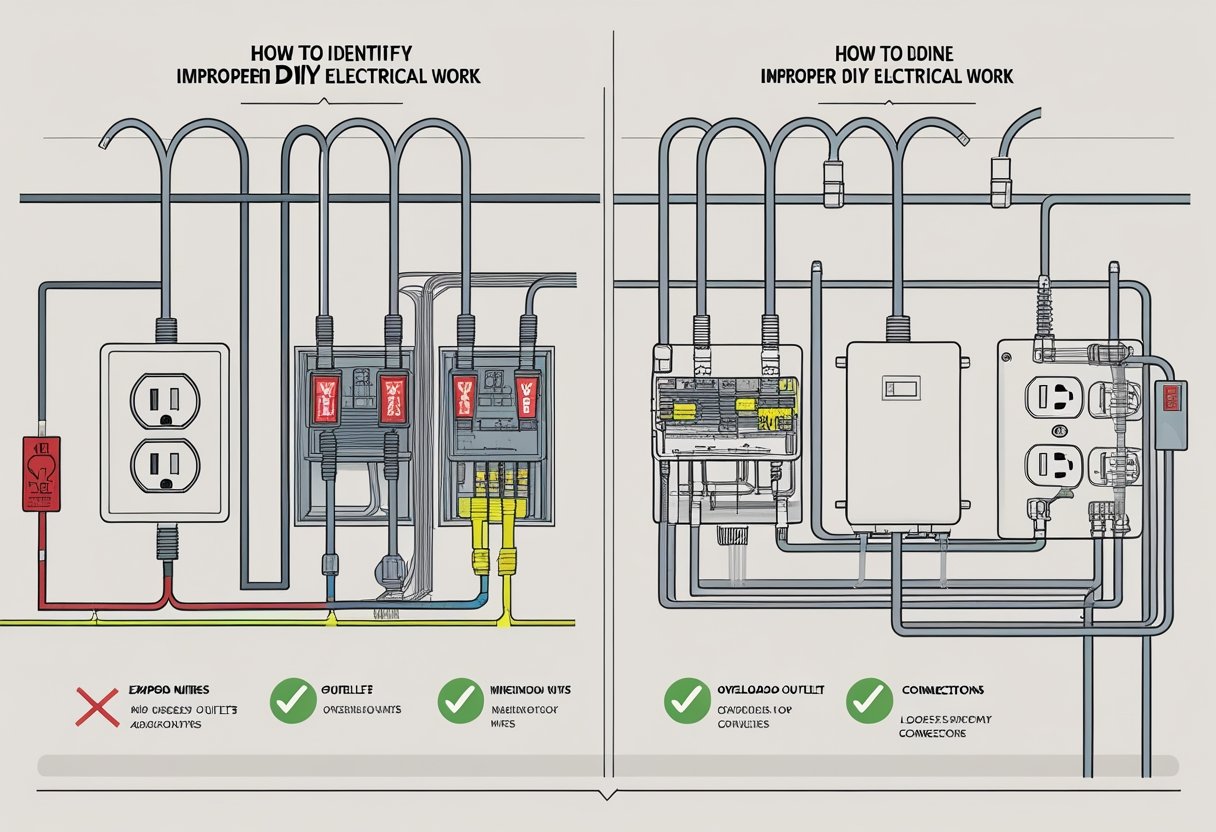
Doing your own electrical work might feel like a good way to save a few bucks, but improper DIY electrical work can turn into a real headache—think fires, shocks, or damage to your home’s wiring. You’ve got to know how to spot mistakes like loose connections, overloaded circuits, or old, sketchy wiring before they spiral into bigger disasters.
If you notice things like flickering lights, breakers tripping all the time, or outlets that just don’t seem right, you might be looking at the aftermath of DIY repairs gone wrong. At AAA Electrical Services, we get it—nobody likes surprises when it comes to safety or pricing. Our certified techs can check things out the same day and get your system back on track.
Living in Sacramento or nearby? Forty-plus years in the business means we’ve seen it all. If you know what to look for and when to call in the pros, you’re already ahead of the game when it comes to keeping your home safe.
Common Signs Of Improper DIY Electrical Work
Shoddy electrical work leaves clues. Poor wiring, crammed outlets, and messy breaker panels all spell trouble. Spot these and you’ll know it’s time to bring in licensed pros for real repairs.
Visible Wiring Mistakes
Take a good look at any wiring that’s been added or messed with. Loose, drooping wires? Big red flag. Exposed copper or missing insulation? That’s just asking for shocks or even a fire.
Wires hooked up to the wrong terminals or using the wrong size wire for the job are other issues. If you see wires tangled, jammed under flooring, or running right next to water pipes, that’s not just sloppy—it’s dangerous. Wiring should look tidy and follow code, not like a plate of spaghetti.
Overloaded Outlets And Circuits
If your outlets keep tripping the breaker or lights start flickering every time you plug in a couple of things, you might be overloading your circuits. Too many gadgets on one outlet or circuit can push your system past its limits and create a fire risk.
Watch for warm outlet covers, weird burning smells, or outlets that just stop working. Ditch the habit of chaining power strips together or using extension cords forever. Overloading is a classic DIY blunder—let a certified electrician sort it out with the right tools.
Unlabeled Or Unorganized Panels
The breaker panel is basically your home’s electrical command center. If it’s unlabeled or the breakers don’t match up with what they’re supposed to control, good luck in an emergency. Unorganized panels can have mismatched breakers and a tangle of extra wires.
If you see burn marks, corrosion, or just a general mess, that’s a sign something’s off. Labels should be clear, so you know what’s what. If your panel looks like chaos, better let licensed technicians, like those at AAA Electrical Services, take a look.
Safety Hazards To Watch For
When you’re checking DIY electrical work, keep an eye out for things that could hurt someone or wreck your home. Unsafe wiring, missing safety parts, and grounding issues are all things you want to catch early—nobody wants to deal with shocks, fires, or expensive repairs.
Exposed Wires
Exposed wires are just plain risky. You might see bare copper or insulation that’s cracked or missing inside outlets, switches, or junction boxes. Touching these can give you a nasty shock or, worse, start a fire.
Look for loose wires not tucked into terminals or hanging out of boxes. Wires that cross or get pinched are also trouble. If you spot exposed wiring, shut off the power before you even think about touching anything.
Fixing exposed wires usually means securing them with wire nuts or swapping out damaged cables. When in doubt, call a pro. AAA Electrical Services in Sacramento can get it sorted quickly and safely.
Missing Or Damaged Cover Plates
Cover plates aren’t just for looks—they keep wires and terminals out of reach. Missing or busted covers at outlets, switches, or panels leave things wide open, which is especially risky if you’ve got kids or pets.
Double-check that every outlet and switch has a cover that sits flush against the wall. If you see cracks or holes, swap the plate out ASAP. Sometimes covers go missing because someone rushed through a DIY job.
It’s usually an easy fix. Just make sure you’re using the right size and type for the device, and tighten the screws so they don’t wiggle loose. Keeping cover plates in place is a small step that makes a big difference.
Improperly Grounded Systems
Grounding is what keeps stray electricity from turning your appliances or you into a hazard. If your system isn’t grounded right, you’re at higher risk for shocks and fried electronics.
Clues your grounding’s off: outlets with no third prong, breakers that trip for no reason, or lights that flicker when you run big appliances. There are tools to test grounding, but honestly, it’s best to have a licensed tech check things out.
DIY jobs sometimes skip the ground wire or hook it up wrong. Fixing it means rewiring outlets or updating panels to meet current codes. At AAA Electrical Services, our licensed pros can handle grounding the right way, so you can stop worrying.
Codes And Standards Violations
When DIY electrical work skips safety codes, you’re gambling with fire or shock hazards. Problems like wrong wire sizes, sketchy wire connections, or missing safety devices often fly under the radar unless you get a proper inspection.
Incorrect Wire Gauge Usage
Using the wrong wire gauge is a recipe for overheating. Every circuit needs a certain wire thickness to safely carry current. For example, a 15-amp circuit needs 14-gauge wire, while a 20-amp circuit calls for 12-gauge.
Too-thin wire can’t handle the load and gets hot. You might see flickering lights or breakers tripping—a sign things are overloaded. Using wire that’s too thick is less common, but it can make connections unreliable.
Always double-check that the wire size matches the breaker. If you spot mismatched wiring or guesswork, that’s a warning sign. Licensed electricians at AAA Electrical Services make sure your wiring is up to code.
Unapproved Splicing Methods
Splicing is just joining wires together, but it’s got to be done right. DIYers sometimes just twist wires together or wrap them in tape—definitely not safe or up to code.
Proper splicing uses wire nuts, crimp connectors, or special splice boxes. These hold wires securely so they don’t work loose over time. Loose or exposed splices can spark and start fires.
Check for splices inside approved boxes with covers. If you see taped or bare connections hiding in walls or attics, that’s bad news. A professional inspection can catch these before they turn into real problems.
Non-Compliant GFCI And AFCI Protection
GFCIs and AFCIs are code-required safety devices. GFCIs protect you from shocks in wet spots like kitchens and bathrooms. AFCIs help prevent fires from electrical arcs in bedrooms and living spaces.
If these aren’t installed where they’re supposed to be, or you’re using old, outdated outlets, you’re not protected. Near sinks, you need GFCI outlets. Bedrooms usually need AFCI breakers.
If you notice missing devices or old outlets with no reset buttons, it’s time for an upgrade. AAA Electrical Services can bring your home up to code—worth it for the peace of mind.
Evaluating Workmanship And Materials
When you’re checking electrical work—yours or someone else’s—pay attention to the materials and how they’re put in. Cheap parts or sloppy installation can lead to trouble down the road. Catching these early helps avoid bigger problems.
Low-Quality Or Mismatched Components
Cheap or mismatched parts usually show up as outlets or switches that feel flimsy or don’t fit right. Components should match the circuit’s voltage and amperage. Mixing brands or old and new parts can lead to loose connections or failures.
If you see cracked insulation, rust, or loose screws, the materials probably aren’t up to snuff. Mixed wire types or connectors that don’t hold wires tight are also bad news—these make fires or shocks more likely.
Always go for parts rated for your system. Not sure? Ask AAA Electrical Services. Their licensed team sticks to quality materials and solid standards.
Improper Junction Box Installation
Junction boxes are supposed to keep wiring safe inside walls or ceilings. DIYers often mess this up by not mounting boxes securely or using ones that are too small for all the wires.
Wires should be clamped tight and not sticking out. Missing wire nuts or loose wires can cause shorts or sparks. The cover should fit flush to keep out dust and moisture.
Don’t use plastic boxes when metal is needed, and never skip grounding wires. Boxes shouldn’t be buried in insulation or hidden behind drywall where you can’t get to them.
If you spot these mistakes, call a pro. AAA Electrical Services can fix junction box issues fast, with clear pricing and expert repairs for Sacramento and nearby homes.
Steps To Take If You Suspect Improper Electrical Work
If you think some of your home’s electrical work isn’t up to par, don’t wait. Get the right help and show the pros exactly what’s wrong. Taking action now can save you a lot of grief later.
Consulting A Licensed Electrician
First, call a licensed electrician. They know what to look for and have the right tools to spot hidden dangers. Don’t try to fix things yourself unless you really know your stuff.
A pro can check for overloaded circuits, proper grounding, and whether your panel meets current code. Look for electricians with a good reputation and solid reviews. AAA Electrical Services, for example, offers same-day visits and clear explanations of what’s wrong and how to fix it.
If you notice flickering lights, frequent breaker trips, or busted outlets, don’t ignore them. These are often signs something’s not right behind the walls.
Documenting Issues For Repairs
Before any repairs, document what you see. Snap photos of loose wires, broken outlets, or exposed connections. Write down odd sounds, smells, or things like sparks or burning odors. Note when the problems started and how often they crop up.
Hang on to any records of past electrical work or inspections. The more info you give your electrician, the faster they can pinpoint the problem.
Sharing clear details helps make sure nothing gets missed and can speed up repairs. It’s also handy if you need to talk to your insurance or landlord later.
Frequently Asked Questions
Spotting DIY electrical mistakes is key to keeping your home safe. Watch for damage, sketchy wiring, and equipment that could cause fires or shocks. It’s worth knowing what can make an inspection fail, too.
What are the signs of improper and possibly dangerous electrical work?
You’ll want to look for flickering lights, breakers that trip a lot, or outlets that just don’t work. Exposed wires, loose connections, and scorched outlets are all warning signs.
If you see tangled wires or quick fixes like tape instead of proper connectors, that’s a red flag. These are usually signs the job wasn’t done right and could be dangerous.
What safety risks should you look out for when inspecting DIY electrical installations?
Electrical shocks and fire top the list of dangers. Faulty wiring often leads to overheating or sparks, and overloaded circuits or busted breakers can trigger fires.
Always cut the power before you start poking around. If you catch a whiff of burning or spot scorch marks, hands off—those are serious warning signs. At that point, call in a professional. No sense risking it.
How can you tell if your electrical system won't pass a professional inspection?
Inspectors want to see proper wiring, breakers that match the load, and grounded outlets. If you spot loose wires, missing covers, or any DIY work done without permits, chances are you’re looking at a fail.
Old or worn-out parts, or circuits that trip all the time? That’s not going to fly. Inspections like these keep your place up to safety standards and in line with local codes, which is honestly worth it for peace of mind.
Which DIY electrical mistakes could lead to serious home hazards?
Picking the wrong wire gauge, skipping safety devices, or slapping in breakers the wrong way—these can all set you up for shocks or even fires. Plugging too many things into one circuit? That’s another classic blunder.
Mixing wire types or skipping proper grounding? That’s asking for trouble. These aren’t cheap fixes, either. If you’re not sure, maybe just don’t risk it.
What steps should you take upon discovering faulty electrical equipment in your home?
First off, shut off the power to that area—don’t mess around. Stay away from broken outlets or switches until someone qualified takes a look. Best move? Call a licensed electrician to handle it safely.
AAA Electrical Services can send out certified techs same day, so you’re not stuck waiting. Fast, honest repairs really do make life easier.
Are there any legal repercussions for performing electrical work without a license?
Yeah, if you do electrical work without a license, you could face fines and even lose your home insurance coverage. You might also run into trouble with official inspections, which could mean fixing things later—often at a higher cost.
Licensed pros know the safety rules and local codes inside out. Honestly, hiring one isn’t just about following the law; it’s about keeping your home and family safe.