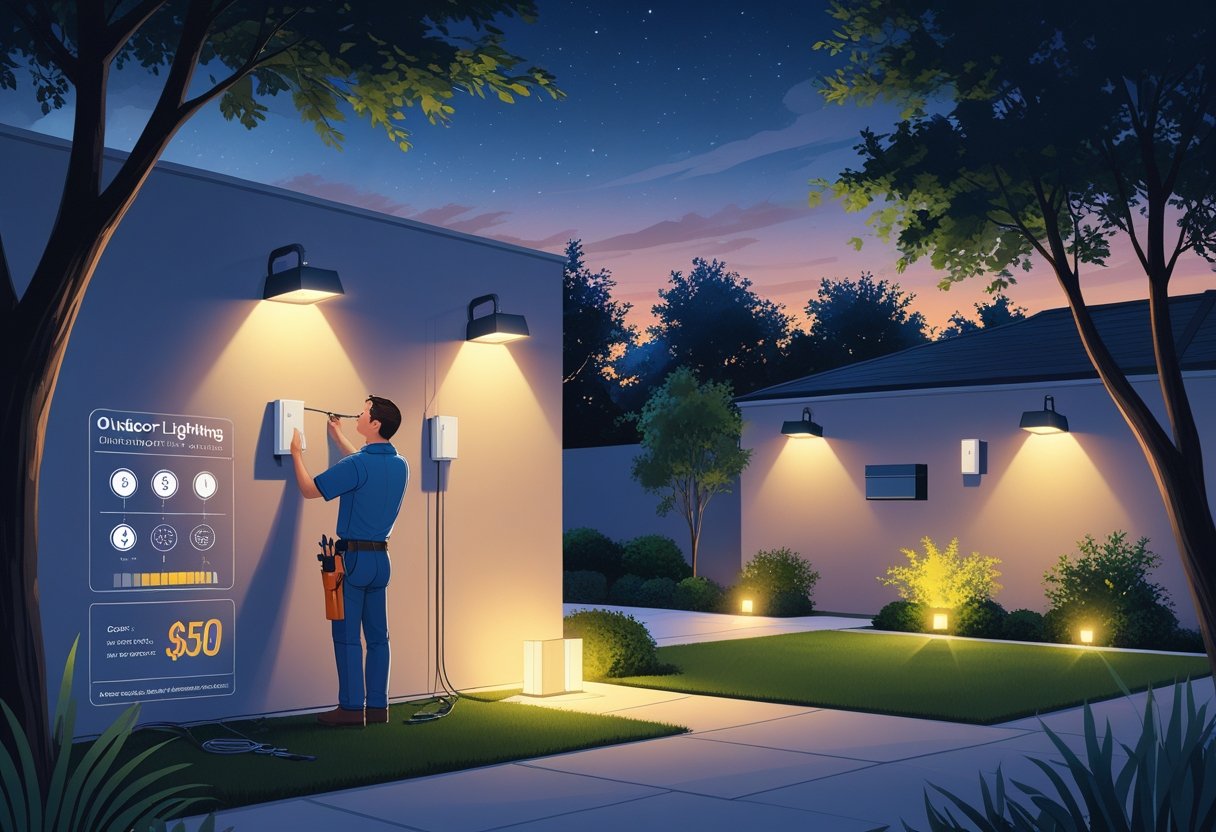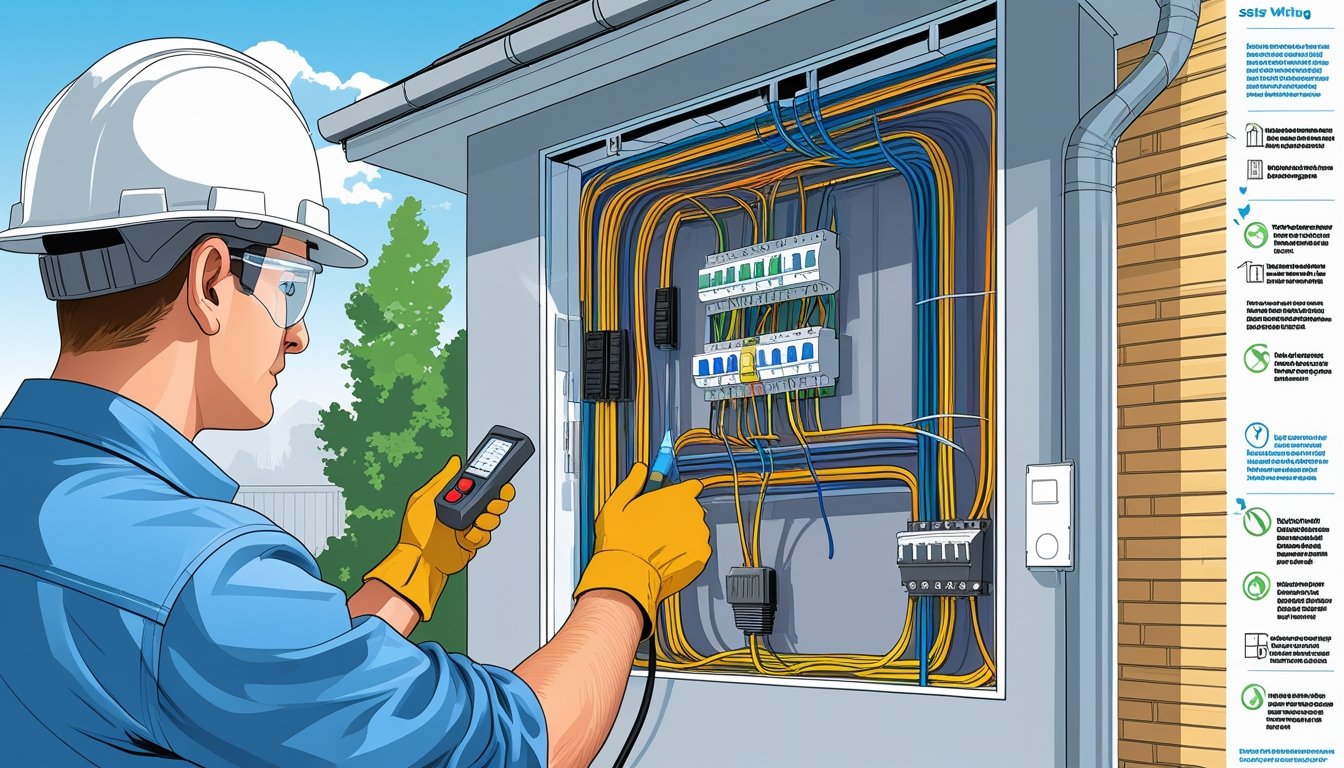
Planning safe wiring for your home addition matters—a lot. It’s about protecting your family and making sure your new space blends smoothly with your existing electrical system. The biggest thing? Have a real plan that covers upgrading circuits and uses wiring that’s up to code. That way, you dodge headaches like overloaded circuits, flickering lights, or breakers that keep tripping.
When you’re adding on, you can’t just tap into old wiring and hope for the best. Professionals from AAA Electrical Services have been doing this for over 40 years, so they know how to make your wiring both safe and efficient. They offer same-day service and honest, flat-rate pricing—no nasty surprises.
If you want your home’s electrical system to stay safe during an addition, you’ll have to think ahead. What appliances will you use? How much power will you need? Where should outlets and switches go? A little planning now helps you avoid problems and keeps your home’s value solid for years.
Assessing Electrical Needs
Wiring a home addition starts with knowing exactly what your new space demands. Figure out the power your new appliances and devices will use, check if your current system can handle it, and decide if you’ll need upgrades to keep things safe and efficient.
Identifying New Power Requirements
Begin by making a list of everything you want to add—lighting, outlets, HVAC, kitchen appliances, maybe even an EV charger. Each one has a power rating, usually in watts or amps, showing how much juice it’ll pull.
Here’s a simple way to track it:
Appliance/DevicePower Rating (Watts)Estimated Usage (Hours per Day) Refrigerator60024Electric Oven30001LED Lighting1005
Add up those numbers to get your new total demand. This helps you avoid finding out too late that your breakers can’t keep up.
Calculating Load Capacity
Now, check if your electrical panel can handle the extra load. Add up the power needs from both old and new devices. If you’re bumping up against your panel’s limit—most homes have 100-200 amps—you’ll want to upgrade. That keeps you clear of overheating and outages.
Honestly, having a pro do this gives you peace of mind. At AAA Electrical Services, we focus on electrical work that fits your family’s needs.
Evaluating Existing Electrical Infrastructure
Take a good look at your current wiring, outlets, and breaker panels. If you see flickering lights, warm outlets, or breakers that trip, it’s time for an inspection.
Check your panel size and breaker types, too. If your panel’s full or just plain old, an upgrade may be in order.
A professional inspection can save you from hidden dangers. In Sacramento and nearby, AAA Electrical Services offers same-day service, clear pricing, and techs who actually care about your home.
Creating a Safe Wiring Plan
A good wiring plan for your home addition helps you sidestep future hassles. You’ll want a plan that covers your power needs and sticks to safety rules. It’s worth the effort—trust me.
Designing Dedicated Circuits
Whenever you add new rooms or big appliances, dedicated circuits are a must. These keep heavy users—like ovens, HVAC, or EV chargers—on their own lines, cutting down on overloads and fire risks.
Use the right breaker size and wire gauge for each circuit. For example, a 20-amp breaker pairs with 12-gauge wire. Bigger stuff, like dryers, needs even thicker wire. This isn’t the time to guess.
AAA Electrical Services can help you design circuits that actually match your needs, not just what’s “standard.”
Wiring Diagrams and Layouts
Draw a wiring diagram before you get started. Mark where outlets, switches, and fixtures will go. It doesn’t have to be fancy, but it should make sense.
Try to spread outlets around and put switches where you’ll actually want them. Plan your wiring routes to steer clear of plumbing or HVAC. Use clear labels—future you will thank you.
Keep your plan updated if you swap out materials or change your mind. A good diagram makes safety inspections way easier.
Planning for Future Expansion
It’s smart to think about where your power needs might go in a few years. Adding extra circuits or conduit now means you can expand later without tearing up walls.
Consider future tech—solar, EV chargers, smart home gear. Make sure your panel has space for more breakers, or upgrade it if needed. Planning ahead saves you money (and headaches) down the road.
Selecting the Right Materials and Components
Picking the right parts for your home addition wiring keeps your system safe and reliable. You’ll need to think about wire type and size, which circuit breakers to use, and the best outlets and switches for each spot. Each choice matters.
Choosing Wires and Cables
Focus on wire gauge and insulation. Gauge tells you how much current a wire can handle. For most home additions, 12-gauge wire works for outlets, and 14-gauge for lighting. If you’re running heavy loads, go thicker.
Match insulation to where you’ll install it. NM-B (non-metallic sheathed cable) is fine for dry, inside walls. For damp or outside spots, pick cables rated for moisture and heat.
Proper wires cut down fire risk and keep things stable. If you’re unsure, talk to a licensed pro—AAA Electrical Services always puts safety first.
Picking Circuit Breakers
Circuit breakers keep your home safe by cutting power if there’s a problem. Pick breakers that fit your panel and match your wire size.
Single-pole breakers are for 120-volt circuits—think outlets and lights. Double-pole breakers handle 240 volts for big stuff like ovens or dryers.
Stick to your panel’s brand and size—don’t mix and match. Oversized breakers can make wires overheat, and too-small ones trip all the time.
AAA Electrical Services can install the right breakers, fast, and make sure everything’s up to code.
Selecting Outlets and Switches
Think about where and how you’ll use outlets and switches. Standard 15-amp outlets cover most rooms, but kitchens and laundry rooms usually need 20-amp outlets for bigger appliances.
Install GFCI outlets near water—bathrooms, kitchens, outdoors. They protect you from shocks.
For switches, most rooms use single-pole, but bigger spaces might need three-way switches. Go for sturdy brands; cheap ones fail too soon.
Pick what looks good, but never skimp on safety. Grounded outlets and quality switches help prevent electrical hazards and keep your place comfortable.
California Electrical Code Compliance and Safety Standards
When you add wiring, you’ve got to follow the rules—no way around it. That means sticking to local codes, pulling permits, and using the right safety devices in the right spots. It’s all about protecting your family and your investment.
Understanding Local Electrical Codes
California’s codes build off the National Electrical Code (NEC), but there are extra state and local twists. These rules cover everything—wiring types, breaker sizes, grounding. You need approved materials and methods.
Some places require copper wiring, specific grounding, or certain conduit. Your addition’s wiring usually has to match what’s already there. If you’re unsure, ask a licensed electrician who knows your area’s quirks. Following code isn’t just about passing inspection; it’s about avoiding fires and keeping your system reliable.
Securing Permits and Inspections
You’ll almost always need a permit before you start wiring a home addition. The permit process makes sure your plans follow safety rules and local codes.
Once you’ve got the permit, expect inspections. Inspectors check your work for code compliance. Don’t skip this—it’s crucial for safety. Skipping permits or inspections can lead to headaches or expensive fixes.
Plan for permit fees in your budget. Many electricians, including AAA Electrical Services, can handle the paperwork and inspections for you.
Meeting GFCI and AFCI Protection Requirements
California code requires special devices in certain spots. Ground Fault Circuit Interrupters (GFCIs) go wherever there’s water—bathrooms, kitchens, garages, outside. They cut power quickly if there’s a shock risk.
Arc Fault Circuit Interrupters (AFCIs) protect against fire by catching dangerous arcing. You’ll need these in most living spaces.
When wiring your addition, make sure to put these devices where code says. They keep your family safe and can even help with insurance. Licensed electricians know where and how to install and test them.
Hiring Licensed Professionals
Picking the right electrician is huge. It keeps your home addition safe and up to local electrical codes. It also helps you avoid expensive mistakes and protects your family. Knowing how to check credentials and understand pricing makes everything smoother.
Evaluating Electricians' Credentials
Look for fully licensed and insured electricians. Licensing means they’ve got the training and know-how to do things right. Insurance protects you if something goes wrong.
Ask about certifications and experience. AAA Electrical Services, for example, hires Nexstar-trained, state-certified pros with decades of experience. Check background checks and reviews to feel good about your choice.
Verify their license with your state’s board. That way, you know they’re legal in your area. Licensed pros know the right wire sizes, breakers, and safety rules for additions.
Understanding Quotes and Contracts
When you get a quote, it should be clear and upfront. Look for flat-rate pricing—no hidden stuff.
A solid contract should spell out:
- What work’s being done
- Materials used
- Timeline
- Payment details
Ask if they offer same-day service or show up with stocked vans—super handy if something unexpected pops up.
Make sure the contract covers permits and inspections. Licensed electricians, like AAA Electrical Services, usually handle this so you don’t get stuck with delays or extra costs.
Check cancellation and warranty policies. Most licensed pros back up their work, so you can relax a bit.
Frequently Asked Questions
Planning electrical wiring for a home addition takes some careful thought—safety, code compliance, and picking the right pros. You’ll also want to know about permits and how to dodge common mistakes that can mess things up later.
What are the essential steps for planning electrical wiring in a new home addition?
Start by figuring out your power needs—what appliances, lighting, and outlets you’ll use. Then, design a layout that spreads the load across circuits to avoid overloads.
Include enough outlets and plan for future stuff like EV chargers or smart home gear. Before you start, have a licensed electrician review your plan.
What safety codes must be followed when installing wiring in residential expansions?
You’ve got to follow the National Electric Code (NEC) when running new wiring—no way around it. The NEC lays out what wire sizes to use, how much juice each breaker can handle, and the right way to install everything. It’s all about keeping your place safe from fires and shocks, honestly.
But here’s the thing: your city or county might have their own rules stacked on top. It’s a good idea to check in with your local building department before you get started. That’s how you keep everything up to code and out of trouble.
How can I find a qualified electrician for my home wiring project?
Start by looking for electricians who are licensed, insured, and have solid reviews. You could try a company like AAA Electrical Services—they’ve got certified techs who know their way around home additions and actually care about safety.
Don’t be shy about asking if they’ve tackled projects like yours before. Make sure they’re up to speed on all the safety stuff. If they’re upfront with pricing and easy to talk to, that’s usually a good sign you’ve found someone reliable.
Are there any permits required for electrical work in home additions?
Most of the time, yeah—you’ll need a permit from your local building department before you do any electrical work in an addition. That way, someone checks the work and makes sure it’s done right.
A good electrician will help you sort out the paperwork and set up inspections. If you skip this step, you could end up with fines or headaches when it’s time to sell the house. Not worth the risk.
What common mistakes should I avoid when planning my home's electrical layout?
One big mistake? Underestimating how much power you’ll need. That’s how you end up with frequent breaker trips, which nobody wants. Think about future upgrades and toss in a few extra outlets—you’ll thank yourself later.
People also forget to balance the load across circuits, and that can overheat your wiring. And unless you actually know what you’re doing, leave the DIY electrical work to the pros. It’s just not worth the risk.
How often should the electrical wiring be inspected during and after the installation?
A qualified inspector really ought to check electrical work at a couple of crucial points: once after the rough-in wiring and again when everything’s finished. After that, it’s smart to have inspections every few years—just to catch any signs of wear or unexpected damage before they turn into real headaches.
AAA Electrical Services suggests calling for an inspection if you spot flickering lights, breakers that keep tripping, or anything else that seems off. Honestly, keeping up with inspections is one of the best ways to make sure your home stays safe and runs smoothly.