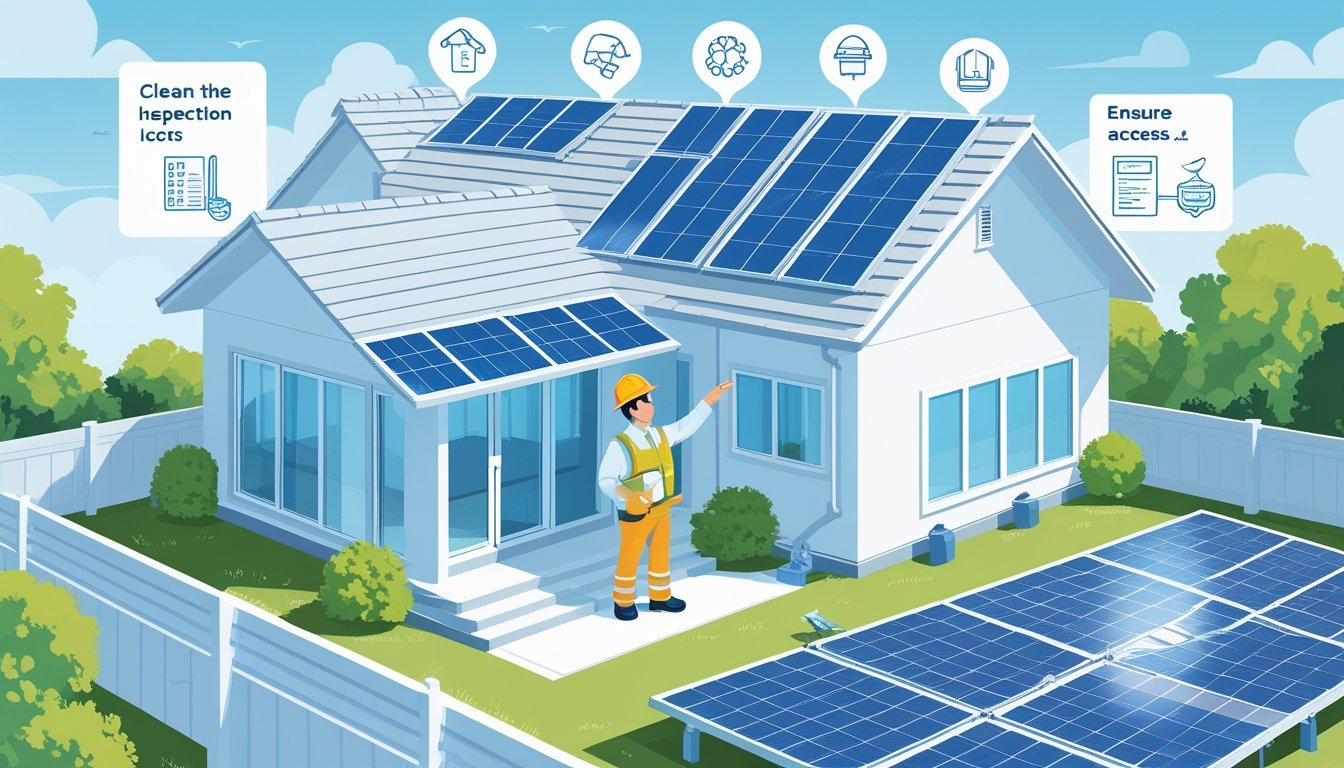
Getting ready for a solar power inspection can feel overwhelming at first, but honestly, it’s pretty manageable if you focus on the basics. A smooth inspection really just comes down to having clean panels, easy access, and solid wiring and connections. Making yourself a quick checklist—like looking for dirt or loose wires—can save you from last-minute headaches or extra repairs.
Don’t forget to pull together any paperwork related to your solar system. Stuff like installation records or old maintenance reports shows the inspector you’ve kept up with things and that your system meets safety codes. If you’re in Sacramento or nearby, AAA Electrical Services offers same-day help and thorough inspections—they treat your place like it’s their own.
Understanding Solar Power Inspections
It’s helpful to know what to expect when a solar power inspection rolls around. You’ll get a sense of why these inspections matter and what inspectors look for. Knowing the basics helps you feel a bit more confident about the whole thing.
What Is a Solar Power Inspection?
A solar power inspection is basically an official check of your solar setup. An inspector will look at the panels, the wiring, the inverter, and electrical connections. They want to see that everything’s safe and installed right.
Usually, you’ll have this inspection after installation or if you’re selling your home. It covers permits, panel placement, and making sure you meet local electrical codes. If you keep your panel area tidy and easy to reach, things tend to move faster.
Why Inspections Matter
Inspections are there to keep your home and family safe by making sure your solar system follows safety rules. Bad wiring or sloppy installation can lead to fires or damage your electrical panel. Inspectors also want to see that your system will actually deliver the energy it’s supposed to.
If you don’t pass, you’ll need to fix things before you can use your system or sell your house. A reliable company like AAA Electrical Services can help you get ready with a safety-focused approach and straightforward advice.
Common Inspection Standards
Inspectors check that your panels and wiring meet local codes and manufacturer guidelines. They look for solid connections, proper grounding, and that the inverter is installed correctly. Panels need to be positioned to avoid shade or damage.
Your electrical panel has to handle the solar output without getting overloaded. Keeping it clean and dry helps prevent overheating. Inspectors need clear access around your equipment and don’t want to see damaged wires or outlets.
Having a licensed electrician do regular maintenance keeps things safe. AAA Electrical Services does same-day visits and their vans are stocked for quick fixes. That way, your system stays reliable and your family stays safe.
Preparing Essential Documentation
Having your paperwork in order before the inspection makes everything easier. Gather all important documents so the inspector can check things off quickly.
Installation Permits
Track down your official permits from the city or county. These show your solar system was installed to code.
Keep copies of your original permit, any updates, and the final approval letter. Missing paperwork can slow down your inspection or mean extra steps. If you worked with AAA Electrical Services, they can usually help you find or confirm your permits.
Having these ready tells the inspector your system is legit and safe. It also helps get your system officially approved so you can connect to the grid without hassle.
Technical Specifications
Pull together all the details about your solar panels and gear. You’ll want:
- Manufacturer’s manuals
- System capacity (kW rating)
- Inverter specs and model
- Wiring diagrams or schematics
These help the inspector understand your system and check that it meets safety standards. They’re also handy for spotting any parts that might need fixing.
Store these in a labeled folder or digital file for easy access. If AAA Electrical Services did your install, they probably gave you this info.
Maintenance Records
Keep a log of any repairs, cleaning, or regular checks on your solar system. Note the dates, what was done, and by whom.
This record shows you’ve taken care of your system, which can help you pass inspection. It also helps you remember when you’re due for the next maintenance.
If you’ve used pros like AAA Electrical Services in Sacramento, keep their reports or receipts with your records. That way, your maintenance history is clear and easy to show during inspection.
Inspecting the Solar Panels
When you’re getting ready for inspection, pay close attention to the condition, placement, and cleanliness of your panels. These things affect how well your system works and whether it meets safety standards.
Physical Condition Checks
Check each solar panel for cracks, chips, or obvious damage. Damaged panels don’t just lose power—they can be a safety issue. Make sure the glass isn’t cloudy or scratched up.
Look at the frame and mounting hardware for rust or looseness. Everything should be attached firmly so it doesn’t move in a storm.
Check the visible wiring on the panels—no fraying or wear. Bad wiring can short out and cause fires.
AAA Electrical Services suggests regular checks so you catch problems before they get serious.
Panel Alignment and Placement
Panels need to face the right way and be set at the right angle for max sunlight. Around Sacramento, that usually means south-facing at about a 30-degree tilt.
Watch for trees, roofs, or other stuff that might cast shadows during peak sunlight. Even a little shade can really cut your power.
Panels should be evenly spaced and mounted properly. Uneven placement can strain the structure and hurt performance.
If you get the alignment right, your system works better and the inspection should go smoothly.
Cleaning Requirements
Clean panels mean more sunlight gets through, so you get more energy. Dirt, dust, bird droppings, and leaves all block sunlight.
Use a soft brush or sponge and water to clean the panels. Don’t use harsh chemicals or high-pressure sprays—they can do more harm than good.
After storms or windy days, check for debris. Usually, cleaning two or three times a year does the trick.
If you’d rather not climb up there, AAA Electrical Services offers maintenance that keeps your system working and your family safe.
Examining Electrical Components
Before your inspection, take a look at the key electrical parts of your solar system. That means the inverter, the wiring, and any battery backup. Each one needs to work right to pass inspection and keep your home powered safely.
Inverter Functionality
The inverter turns the DC power from your panels into AC for your home. Inspectors will check if it’s running without error codes or weird noises.
Make sure the display looks normal. Dust off the vents so it doesn’t overheat. Double-check that it’s grounded properly.
If you see warning lights or the system shuts down, call a licensed pro like AAA Electrical Services. They can diagnose and fix inverter problems fast, thanks to fully stocked vans.
Wiring and Connections
Wiring connects your panels, inverter, and electrical panel. Loose or damaged wires can cause failures or safety hazards.
Check that wires are tight and show no frays or cracks. Grounding wires should be secure to prevent shocks. Take a look at your electrical panel for signs of overheating or corrosion.
AAA Electrical Services uses licensed electricians for wiring issues, and their same-day service keeps things moving.
Battery Backup Systems
If you’ve got batteries, give them some attention too. Inspectors check for correct installation, solid wiring, and safe ventilation.
Make sure terminals are clean and connections are tight. Look for damage or moisture in the battery box. Keep vents clear to prevent overheating.
Maintaining your battery backup means you’ll have power during outages. Certified techs in Sacramento can handle battery checks and repairs, so your system stays reliable.
Ensuring Safety Compliance
Getting your solar system ready for inspection means focusing on a few safety basics. You want proper connections, clear labels, and easy-to-find emergency controls. These details protect your home and keep your system up to code.
Grounding and Bonding
Grounding and bonding are essential for protecting your home from shocks and fires. Grounding gives stray currents a safe path to the earth.
Bonding ties all the metal parts together, so you don’t get dangerous voltage differences.
During inspection, they’ll check that your panels, inverter, and metal conduit are grounded. They’ll also look for secure bonding between parts. Fix any loose or missing connections.
If you’re unsure about your setup, AAA Electrical Services can help. Their licensed techs know what local codes require and how to keep your family safe.
Labeling and Signage
Every part of your solar setup needs clear, accurate labels. These show where disconnects are, list panel details, and note voltage.
You’ll need labels on:
- Combiner boxes
- Inverter disconnects
- Main panel with solar breakers
Labels should be easy to read and use standard symbols so first responders and inspectors know what’s what.
Good labeling cuts confusion and helps avoid accidents. Inspectors will check that all labels are there, readable, and follow local codes.
AAA Electrical Services can make sure your labels fit the National Electrical Code and local rules in places like Roseville or Elk Grove.
Emergency Disconnects
Emergency disconnects let you shut down your solar system quickly if something goes wrong. These switches need to be easy to reach and marked clearly.
Inspectors look for AC and DC disconnects near your main panel and inverter. They should be accessible without tools, well-lit, and not blocked.
This is crucial for anyone working on your system—or for first responders in an emergency.
AAA Electrical Services installs and inspects disconnects quickly, especially around Citrus Heights or Rancho Cordova. Their focus on family safety means you can relax a little more.
Verifying System Performance
To be sure your solar system’s doing its job, keep an eye on its energy output and efficiency. These checks help you catch issues early and keep your home running smoothly.
Energy Output Monitoring
Track how much electricity your panels make every day. Most systems have a monitor or app for this. Compare your numbers to what’s expected for your area and season.
If your output drops a lot, it could be dirt, shade, or a system problem. Regular checks help you spot issues before they get big. AAA Electrical Services can help with system checks if you see strange drops.
Keeping daily and monthly records helps you understand seasonal changes and your system’s health. Good records also make the inspection go faster since you have answers ready for the inspector.
Efficiency Testing
Panel efficiency is about how well your system turns sunlight into electricity. Over time, panels lose some efficiency from age, dirt, or wiring problems. Testing means measuring voltage, current, and output under normal conditions.
Compare your numbers to the panel’s rated specs. If they’re low, clean the panels, check connections, or fix parts as needed. Proper grounding and wiring matter here too.
AAA Electrical Services does same-day visits with stocked vans to fix efficiency or wiring problems fast. Keeping your system efficient saves money and keeps your solar power reliable for your family.
Final Walkthrough Preparation
Before the final walkthrough, get ready to field the inspector’s questions and fix any problems they spot. This keeps your solar system safe and up to code. Staying organized can really speed up approval and spare you from annoying delays.
Addressing Inspector Questions
The inspector checks your solar panels, wiring, breakers, and meters. Have your documentation handy—permits, installation records, all that stuff. Be ready to explain how your system works and point out safety features.
Try to answer questions clearly and honestly. If you don’t know something, just say so—let them know you’ll find out. Keep the area around your electrical panels clear so they can get to everything easily. Inspectors often focus on grounding and code compliance, so double-check those. If you can, have your installer or electrician there to help with technical questions.
Correcting Identified Issues
If the inspector finds loose connections, outdated panels, or grounding issues, fix them right away. Little things like tightening screws or swapping out connectors can save you a headache during inspection.
Sometimes, you might need to upgrade parts that aren’t up to code. Licensed pros like AAA Electrical Services can handle this—they show up with stocked vans so repairs go fast, and they put your family’s safety first. Once you’ve made the fixes, tidy up the area so it looks safe and organized. Dealing with issues promptly really lowers the odds you’ll need a second inspection.
Post-Inspection Steps
After your solar power inspection wraps up, handle the findings thoughtfully and plan your next steps. Knowing how to go through the report and line up repairs or upgrades keeps your system running safely and efficiently.
Reviewing Inspection Reports
Read through the inspection report carefully. Pay special attention to anything marked urgent or flagged for immediate repair—could be loose connections, damaged wiring, or grounding trouble. Hang onto the report for warranty claims or future reference.
If a part of the report doesn’t make sense, ask your electrician to break it down for you. Understanding what needs fixing helps you avoid nasty surprises later. The report also tells you if your system meets local electrical codes and safety standards, which honestly matters for long-term reliability.
Scheduling Follow-Up Actions
Once you know what’s up, make a plan for repairs or maintenance. Call a licensed electrician like AAA Electrical Services for any urgent fixes—their stocked vans mean they can usually sort things out in one trip, which is a relief.
Book repairs as soon as you can to avoid extra damage or safety problems. If you’re in Sacramento or Roseville, same-day service is often an option and helps keep downtime short. Ask about pricing upfront; flat-rate fees mean you won’t get hit with hidden charges. Keeping your solar setup in good shape just makes sense for your home and family.
Frequently Asked Questions
Wondering what happens during a solar power inspection? Here’s a quick rundown. You’ll find out what gets checked, how to find a pro nearby, and what it might cost. Prepping your home right and knowing local rules can save you a lot of hassle.
What items are included in a solar inspection checklist?
Inspectors look at your solar panels, wiring, inverter, mounting system, and electrical connections. They’ll also check your electrical panel and safety devices. Basically, they want to make sure everything’s safe and working the way it should.
How can I find a certified solar panel inspector near me?
Search for licensed electricians or companies with solid experience in solar inspections in your area. In Sacramento and nearby cities, AAA Electrical Services offers certified inspections and puts safety first. Always check credentials and reviews before you hire someone.
What are the steps to prepare my home for a solar power system inspection?
Clear the way to your solar panels, inverter, and electrical panel. Make sure everything’s installed to code and is clean. Turn off the power if you’re told to, and have your permits or paperwork ready to show the inspector.
Can I operate my solar panels before the official inspection is completed?
You really shouldn’t. Wait until you’ve passed the inspection. If you run them early, you might void warranties or create safety risks. Your inspector or installer will let you know when it’s safe to use your system.
What are the estimated costs associated with a professional solar panel inspection?
Prices vary, but you’re usually looking at $150 to $400. It depends on system size, location, and how complicated things are. AAA Electrical Services offers flat-rate pricing with no surprises if you’re in the Sacramento area.
Are there specific requirements for solar power inspections in different states like California or Texas?
Yeah, states handle this differently. California usually wants you to follow local safety codes to the letter—sometimes it feels like they add a new rule every year. Texas? They might toss in their own utility connection requirements, just to keep you on your toes. Honestly, it’s best to double-check with your local inspector or city office before you start anything. Regulations can surprise you.