When you think about making your home safer and easier to use, the way your electrical outlets are spaced might not be the first thing that comes to mind—but it really does matter. Proper outlet spacing helps prevent overloaded circuits and gives you enough places to plug in your stuff, so you’re not stuck with a mess of extension cords or overloaded power strips. Good outlet spacing cuts down on electrical hazards and keeps your family a whole lot safer.
These days, homes are packed with electronics and appliances that all need power. If outlets are too far apart, you end up with tangled cords or have to put devices in weird spots, which isn’t just annoying—it can actually be dangerous. At AAA Electrical Services, we see this all the time in Sacramento and the surrounding areas, and we make sure your outlets are set up to keep things safe and convenient for everyone.
With more than 40 years under our belts, our certified techs focus on safety and practical solutions. Need outlet upgrades or maybe a full electrical inspection? We offer same-day service and straightforward pricing, so you’re not left guessing.
What Is Safe Outlet Spacing?
Safe outlet spacing is about putting outlets where you actually need them, without cramming too many into one area or spreading them too far apart. It follows a few simple rules that keep your home safer and less likely to run into electrical trouble. Knowing what works best for each room—and steering clear of mistakes like too few outlets or a weird cluster in one spot—makes a big difference.
Definition and Industry Standards
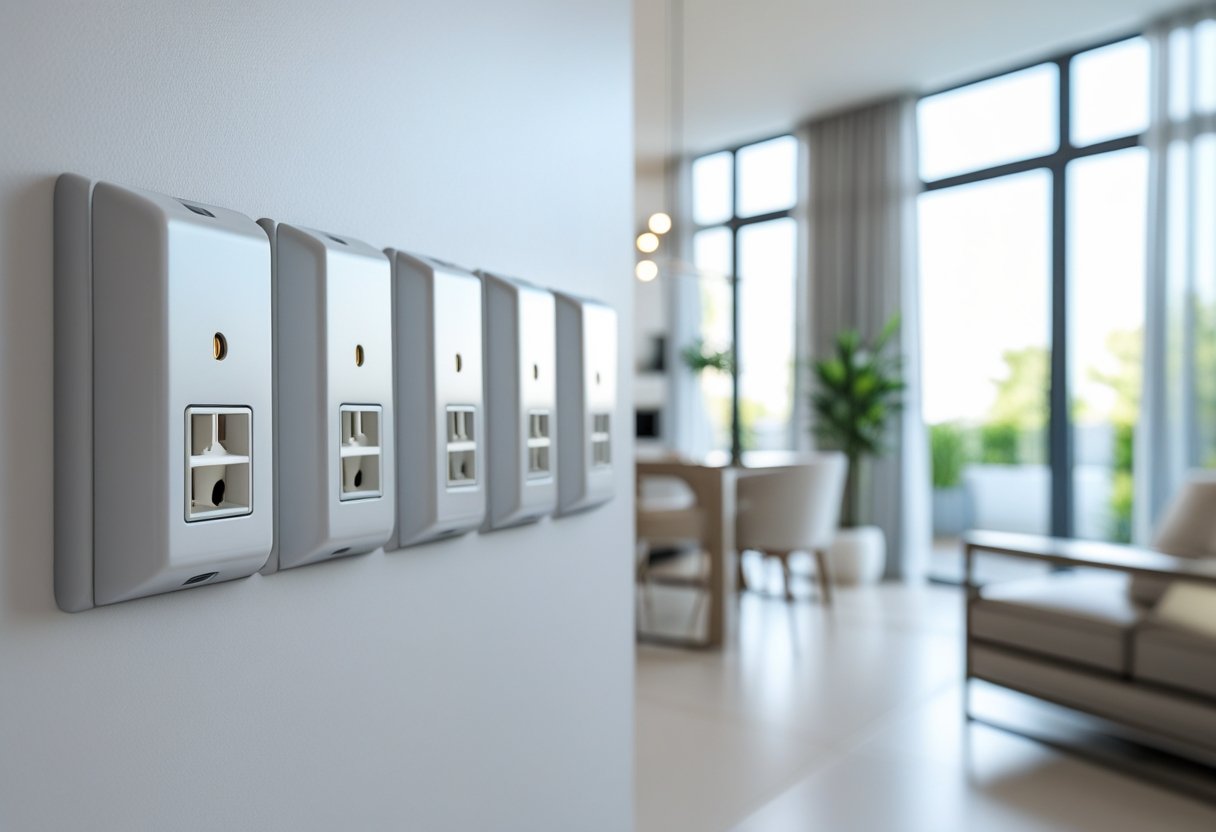
Safe outlet spacing deals with how far apart your outlets are on the walls. The main idea is to avoid relying on a bunch of extension cords and power strips, which can be risky. Industry standards usually call for outlets every 6 to 12 feet in living areas.
For example, the National Electrical Code (NEC) says you shouldn’t have to go more than 6 feet along a wall to find an outlet. That way, you’re not dragging cords across the room. Kitchens and bathrooms have their own rules, often needing outlets close to counters and sinks.
When you stick to these guidelines, you cut down on the chance of shocks, fires, or fried devices. It just makes daily life smoother and safer.
Building Codes and Requirements
Building codes set the minimum requirements for where outlets go in your home. These vary from state to state, but most follow the NEC. Bedrooms, living rooms, and hallways need enough outlets so you’re never far from one.
Some rooms, like kitchens and bathrooms, have stricter rules. Outlets near kitchen counters, for example, must have Ground Fault Circuit Interrupter (GFCI) protection to help prevent shocks if water gets involved.
If you’re in Sacramento or nearby, AAA Electrical Services can check your place and make sure your outlets meet local codes. That way, you know your home’s up to standard and your family’s safer.
Common Outlet Placement Mistakes
You’d be surprised how many homes have outlets spaced too far apart or bunched up in awkward spots. That just means more extension cords and power strips—hello, fire risk. Sometimes, people forget to put outlets where they’re really needed, like near a desk or behind the TV.
Packing outlets too close together isn’t great either; it can lead to overcrowding and wears out the outlets faster. Garages and basements often get overlooked, even though you probably need power there too.
A smart layout makes life easier and safer. When you need changes, licensed technicians like the folks at AAA Electrical Services can sort you out, usually the same day, with everything they need right in their van.
Why Proper Outlet Spacing Improves Home Safety
When outlets are spaced right, you dodge a lot of headaches—think fewer electrical hazards, a lower chance of fire, and less risk of someone accidentally touching a live wire. You get easy access to power without having to overload anything or run cords all over the place.
Preventing Electrical Hazards
With outlets in the right spots, you’re not tempted to plug a dozen things into one outlet or string together a bunch of sketchy extension cords. Overloading can make outlets overheat, which is just asking for trouble.
When you can spread out your devices, it’s way easier—and safer—to unplug stuff when you need to. That means less chance of loose wires or busted plugs causing problems.
Electricians at AAA Electrical Services always say that safe outlet placement is a big part of preventative care. It keeps your wiring in good shape and helps you avoid nasty surprises like exposed wires or bad connections.
Reducing Fire Risks
Most electrical fires start because outlets or cords get too hot or damaged. By spacing outlets properly, you don’t have to rely on overloaded power strips or extension cords, which are known fire starters.
When you can plug things right into the wall, there’s less strain on your home’s wiring and less heat building up. Plus, it’s easier to notice damaged cords before they cause real trouble.
AAA Electrical Services recommends regular checks on your outlets and layout. A little planning now can help you avoid sparks or shorts that could start a fire.
Protecting Children and Pets
Kids and pets have a knack for finding trouble, especially when it comes to outlets. If outlets are too close together or too few, the odds of accidental contact with live parts go up.
When your outlets are spaced well, it’s simpler to add safety covers to the ones you’re not using. That way, you cut down on shock risk. Organized cords also mean pets can’t chew on them or yank them out.
Smart placement makes rooms safer for everyone—kids can play, pets can wander, and you don’t have to worry as much. Licensed pros from AAA Electrical Services always keep your family’s safety front and center.
Impact of Outlet Placement on Modern Living
Where you put your outlets really shapes how you live day-to-day. Good spacing means you can use your gadgets without hassle, don’t have to trip over cords, and your home’s ready for whatever tech comes next.
Supporting Today’s Technology
Let’s be honest—most homes have a lot more stuff to plug in than they used to. Phones, tablets, laptops, smart speakers, chargers everywhere. If your outlets are well-placed, you won’t overload any single spot, and you’ll avoid problems like sparks or blown fuses.
Outlets near desks, kitchen counters, or your entertainment center make it easy to keep everything charged. And if you’ve got an electric car, having an outlet or EV charger in the garage or driveway is a must.
AAA Electrical Services can help you add or update outlets for all your devices, focusing on safety and convenience. Your home will be ready for whatever new tech comes along—no extra clutter or risk.
Enhancing Everyday Convenience
When outlets are in the right spots, life just gets easier. In the kitchen, you can plug in what you need without shuffling appliances around. In the living room or bedroom, outlets on different walls give you options for arranging furniture.
No more tangled cords or tripping hazards. It keeps your space looking tidy and saves you time—you’re not stuck searching for a free plug or settling for a risky extension cord.
With AAA Electrical Services, you get flat-rate pricing and same-day service from pros who actually care about your home. They’ll help make sure your outlets work for your lifestyle and keep safety top of mind.
How Safe Outlet Spacing Increases Home Value
Getting outlet spacing right doesn’t just make life better—it can bump up your home’s value, too. Buyers want homes that are safe, easy to use, and ready for the future.
Meeting Buyer Expectations
These days, buyers expect outlets to be where they need them, not hidden in weird spots or crowded together. Good spacing means no more cords running under rugs or tangled up behind furniture. That’s a big plus for anyone looking at your home.
Having outlets in all the right places—kitchen, living room, bedrooms—shows you’ve thought about how people actually live. It also makes it easier to use surge protectors, which protect your electronics from power spikes. AAA Electrical Services can set these up so everything works smoothly.
Homes with smart outlet layouts save new owners from making costly changes. That kind of convenience often leads to higher offers, since buyers know they won’t have to redo the wiring.
Future-Proofing Your Property
If your outlets are spaced well, your home’s ready for new tech without a big renovation. As families add things like EV chargers, smart gadgets, or extra lighting, having enough outlets in the right spots keeps everything simple and safe.
Proper spacing also helps with energy-efficient upgrades and surge protection, lowering the risk of fires or fried electronics. Companies like AAA Electrical Services can make sure your electrical panel and outlets are up to date.
By planning ahead, you save money and headaches. Plus, buyers love a home that’s ready for whatever comes next.
Tips for Ensuring Safe and Effective Outlet Layouts
Smart outlet spacing isn’t just about safety—it makes life easier, too. It helps you avoid overloaded circuits and cuts down on the need for extension cords, which are always a fire risk. With a little planning, your outlets will fit how you actually use each room.
Consulting Licensed Electricians
Bringing in a licensed electrician ensures your outlets meet local codes and safety standards. They know the ins and outs of spacing, grounding, and load limits that keep your home safe.
A good electrician will figure out how many outlets you need in each room based on what you actually use, so you don’t overload anything. When you call AAA Electrical Services, you’ll get same-day service from fully certified techs who come prepared to handle most jobs on the spot.
Getting a pro involved means you can relax, knowing your wiring is safe and set up with your family in mind.
Planning for Room Functionality
Think about how you use each room before you decide where the outlets go. In the kitchen, for instance, you’ll want outlets near counters for appliances—usually no more than 4 feet apart. In living spaces, putting outlets close to where you’ll plug in lamps or electronics means you won’t need risky extension cords.
Don’t forget about future needs, either—maybe you’ll want an EV charger in the garage or extra plugs for a home office. Keeping things balanced makes rooms less cluttered and lowers fire risk.
Letting the room’s function guide your outlet placement just makes sense, both for now and down the road.
Frequently Asked Questions
Getting outlet spacing right keeps your home safer and makes daily life less of a hassle. You’ll have enough outlets where you need them, avoid overloads, and make sure appliances work without blocking each other.
What is the National Electrical Code requirement for the minimum spacing of outlets in residential homes?
The National Electrical Code (NEC) says outlets should be placed so you’re never more than 6 feet away from one along the floor line. Usually, this means an outlet every 12 feet on the wall.
That way, you don’t have to run extension cords everywhere, which helps prevent trips and fires. The rule covers living spaces, bedrooms, and hallways.
How does the spacing of electrical outlets affect safety and convenience in modern homes?
Good outlet spacing keeps you from plugging too many things into one spot. It also means you’re less likely to use long extension cords that can cause trips or damage.
Evenly spaced outlets make it easier to plug in your stuff without blocking other plugs. It just feels more organized and less cluttered.
Can you explain the '2-6-12 rule' for receptacle spacing in a home, and which rooms does it apply to?
The "2-6-12 rule" is a handy way to remember: outlets should be no more than 12 feet apart, at least 6 inches from doorways, and within 2 feet of corners.
This mostly applies to living rooms, bedrooms, and similar spaces. It helps cover the area and keeps outlets where you’ll actually use them.
What considerations are there for outlet placement and spacing in a kitchen to ensure safe appliance use?
Kitchens need more outlets for all the appliances. NEC says outlets above counters should be every 4 feet and within 2 feet of sinks, so you don’t have cords stretched over wet areas.
Use ground-fault circuit interrupter (GFCI) outlets near sinks to help prevent shocks. Good spacing helps avoid overloads in busy spots like the countertop.
Why is it important to adhere to a minimum distance between outlets in any given room?
Keeping a minimum distance means you’re not crowding plugs into one outlet, which cuts down on sparks and fire risk. It also gives you space to use big adapters or chargers without blocking the other outlets.
This spacing keeps your home safer and makes sure you’ve got outlets where you actually need them—so you’re not stuck with unsafe setups.
How has the electrical code for outlet height evolved to address modern safety standards?
Outlet heights used to be all over the place, but codes these days lean toward putting them about 12 to 18 inches above finished floors. That keeps them within reach and a bit safer, honestly.
In kitchens and bathrooms, you’ll typically see outlets installed higher up, mostly to keep them away from water. It just makes sense—nobody wants a shock while making toast or brushing their teeth.
If you’re in Sacramento or around Roseville or Elk Grove, AAA Electrical Services can check your outlet spacing and upgrade your system if you need it. Their team shows up the same day, sticks to fair pricing, and really seems to care about keeping your family safe.