If you're searching for electrical wiring inspection Sacramento CA, you're probably hoping for some real answers—what gets checked, when you should schedule, and what kind of issues might pop up. A solid inspection can help you protect your home, lower fire risk, and catch problems before they turn into expensive headaches.
In Sacramento, an electrical inspection gives you a hands-on look at your wiring, panels, outlets, and safety devices so you can make decisions with a bit more confidence. It's especially helpful if you're buying, selling, remodeling, or living in an older home.
A good inspection isn't just about finding trouble. It helps you see if your system can keep up with your family's needs, appliances, and day-to-day power use. That peace of mind is worth a lot when safety is on your mind.
What an Electrical Wiring Inspection Covers
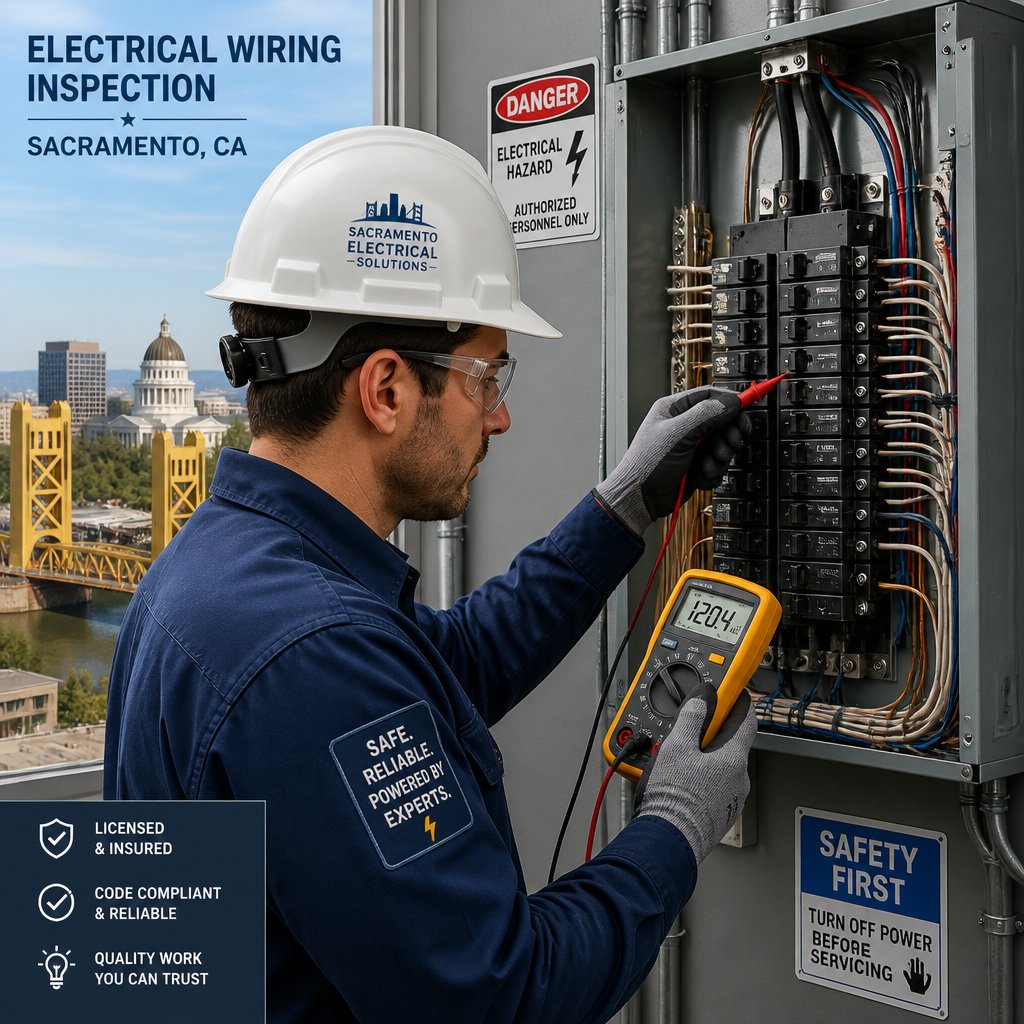
An electrical wiring inspection checks out the visible parts of your system that matter for safety and performance. It's usually part of a broader electrical safety inspection, and you can get one for homes or businesses.
Inspectors focus on condition, function, and risk. They often find worn wiring, overloaded circuits, unsafe connections, and missing or faulty protection devices.
Wiring, Connections, and Visible Damage
Inspectors hunt for worn insulation, exposed wires, loose splices, or heat damage. They'll check wiring in attics, crawlspaces, basements, garages—wherever they can see it.
Damaged or poorly supported wiring? That's a recipe for shocks, outages, or even fire. You want any repairs to look neat, secure, and up to code.
Panels, Breakers, and Load Capacity
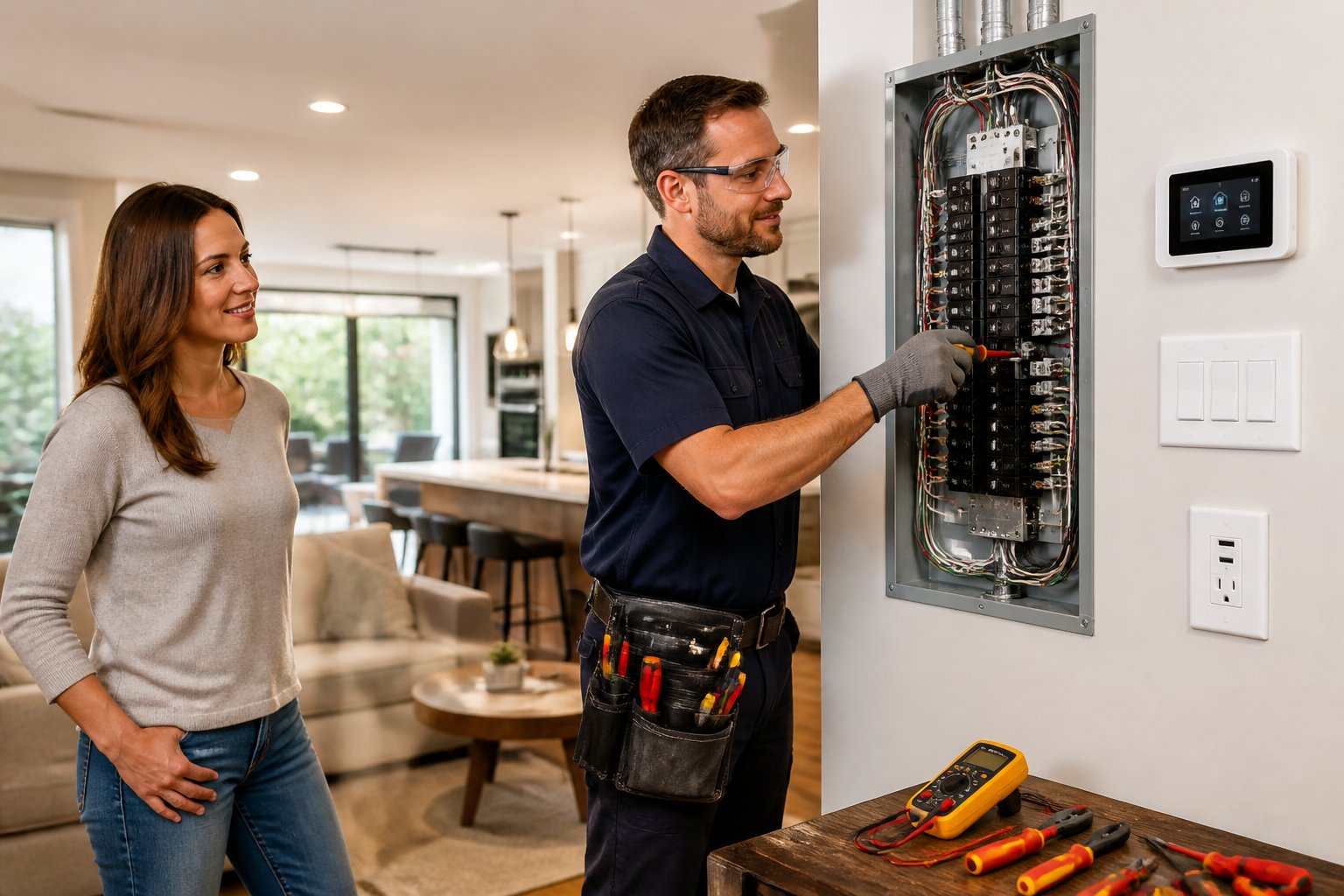
Inspections usually include your main panel, breakers, and any subpanels. Inspectors look for proper labeling, overheating, double-tapped breakers, missing knockout fillers, and breaker size.
Load capacity is a big deal. If your panel's jam-packed or your system's maxed out, you might need repairs or an upgrade before you add big appliances or new gadgets.
Outlets, Switches, Grounding, and GFCI Protection
A pro will test a sample of outlets, switches, and fixtures. They'll check polarity, grounding, secure mounting, and if GFCI protection is where it should be.
GFCI outlets protect against shock in places like kitchens, bathrooms, garages, and outdoors. Depending on your home's age, AFCI protection might also come up.
When Sacramento Property Owners Should Schedule One
Timing matters. A lot of Sacramento homeowners wait until something goes wrong, but honestly, inspections work best before trouble shows up.
Think about booking one when you make changes to your home, update the panel, or if your wiring is older than the rest of the place.
Buying or Selling a Home
Getting an inspection before buying lets you know what you're actually getting into. If you're selling, it helps you fix things early instead of dealing with surprises during negotiations.
Buyers in Sacramento often want proof that the electrical system is safe and working. A clean report can smooth out the whole process.
Older Homes and Outdated Wiring
Older homes need more attention—wiring materials and safety rules have changed a lot over the years. Inspections may turn up aging conductors, worn outlets, or outdated panels.
Notice flickering lights, a burning smell, warm switches, or tripping breakers? It's probably time to schedule an electrical inspection. Those are red flags.
After Renovations, Panel Changes, or New Equipment
Any major remodel puts fresh demand on your system. Same goes for panel changes, EV charger installs, hot tubs, or big new appliances.
An inspection after the work checks if everything was installed right and your system can handle it. That's especially important if you're aiming for safer, more efficient power.
Common Problems Found During Inspections
Inspections often uncover stuff that's easy to miss in daily life. Some issues are quick fixes, others hint at bigger safety or code problems.
Most inspectors look for patterns, not just one bad outlet or tripped breaker. The report should show where your system's stressed and what needs fixing first.
Overloaded Circuits and Frequent Breaker Trips
If a breaker trips once in a while, it's probably just doing its job. But a breaker that trips often? That could mean an overloaded circuit, a bad breaker, or something pulling too much power.
It's common in homes with extra appliances, office gear, or space heaters. An inspection helps you see if your circuit layout still fits your lifestyle.
Loose Connections, Hot Spots, and Fire Risks
Loose wires or weak connections create heat. Over time, that heat damages outlets, switches, breaker terminals, and insulation.
Inspectors spot arcing, discoloration, melted parts, or warm surfaces. Those are serious—don't ignore them.
Improper Repairs and Code Compliance Issues
DIY fixes sometimes leave unsafe splices, missing covers, poor grounding, or the wrong boxes. Some mistakes stay hidden until a pro takes a look.
Code problems matter for safety, insurance, and resale. A solid report should tell you what needs correcting and why.
Residential and Commercial Inspection Differences
Home and commercial inspections both aim for safety, but the systems are different. Homes are simpler, while commercial properties have bigger loads, more circuits, and specialized gear.
The inspection style shifts with the property. The best inspectors focus on how the space is used and what risks come with it.
What Matters Most in Homes
For homes, the big concerns are wiring condition, outlet safety, breaker performance, and grounding. You also want to know if your system can handle daily life, remodeling, and new appliances.
Residential reports should be readable—nobody wants a wall of jargon.
What Businesses Need to Monitor
Commercial inspections dig into capacity, equipment loads, emergency systems, and wear from heavy use. Businesses need dedicated circuits, clear panel labeling, and attention to equipment-specific needs.
Since businesses use more power and run longer hours, problems can grow fast. Regular inspections help keep things running and safer.
How Inspection Reports Support Repairs and Planning
Good reports help you decide what to fix now, what to watch, and what to budget for down the road. Handy whether you own a home, rental, or commercial space.
If you're planning repairs or upgrades, the report becomes a roadmap. It also helps the electrician recommend the right next step without guessing.
Choosing the Right Local Professional
You want an inspector who gives real answers, not just vague reassurances. When booking inspection services, go for someone qualified, honest, and easy to talk to.
In Sacramento, a lot of property owners look for licensed pros who explain things clearly and respond fast when repairs are needed.
Licensing, Insurance, and Experience
Check if the inspector is licensed and insured. Experience counts, especially with older homes, panel upgrades, or code issues.
AAA Electrical Services takes a family-safety-first approach, with licensed, insured, and background-checked techs. That kind of experience makes the whole process less stressful.
What to Ask Before Booking Service
Ask what the inspection covers, how long it'll take, and if you'll get a written report. Also, see if the tech checks outlets, panels, grounding, GFCI protection, and signs of overheating.
Find out if they offer same-day service for urgent problems. If they have parts on the truck, repairs can happen faster.
Why Clear Pricing and Fast Follow-Up Matter
Flat-rate, upfront pricing makes life easier—nobody likes surprises when the bill comes.
Quick follow-up is important, too, especially if there's a safety issue. A team with stocked vans and good communication can often fix things in one visit, cutting down on hassle.
Frequently Asked Questions
How much does a home electrical wiring inspection usually cost?
Pricing depends on the home's size, system age, and how detailed the inspection is. In Sacramento, it's smart to ask for flat-rate, upfront pricing so you know what to expect.
What’s included in a residential electrical wiring inspection?
Usually, it covers wiring, panels, breakers, outlets, switches, grounding, and GFCI protection. Inspectors may also note visible damage, overheating, and missing safety devices like smoke or carbon monoxide detectors.
Can a licensed electrician perform an electrical inspection, or do I need a separate inspector?
A licensed electrician can handle most electrical inspections, especially if you want safety advice and repair options. That's often the best route—one pro can spot issues and explain fixes.
How long does a typical electrical wiring inspection take?
Most take about one to a few hours, depending on the property's size and condition. Bigger homes, older wiring, or commercial spaces can take longer since there's more to check.
What common wiring issues are most often found in older homes?
Older homes often have worn insulation, outdated outlets, limited grounding, and panels that don't fit modern power needs. Loose connections and unapproved repairs show up a lot, too.
How should I prepare my home before the electrician arrives to inspect the wiring?
Try to clear a path to things like panels, outlets, or any spots in the attic, garage, or crawlspace that might need a look. If you’ve noticed anything odd—lights flickering, breakers tripping, switches feeling warm—jot those down. That way, the electrician can tackle your concerns right off the bat.