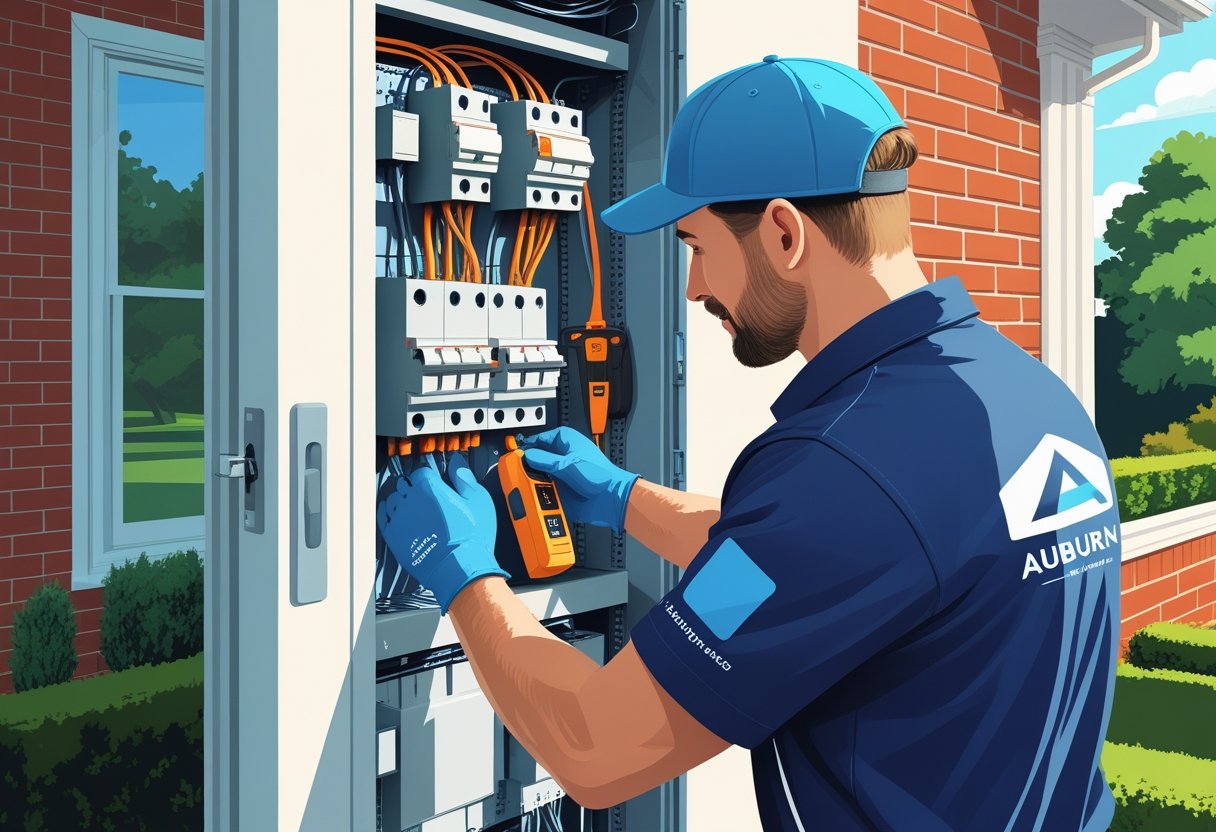
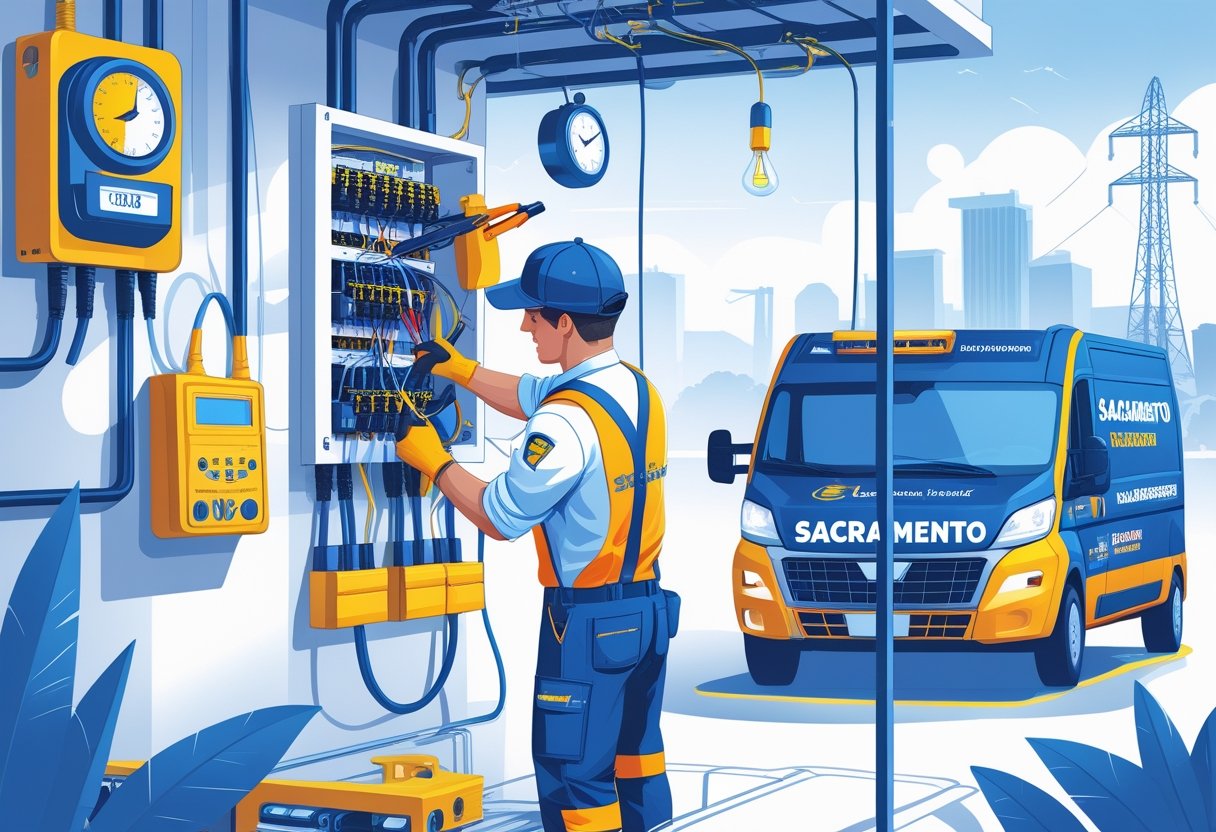
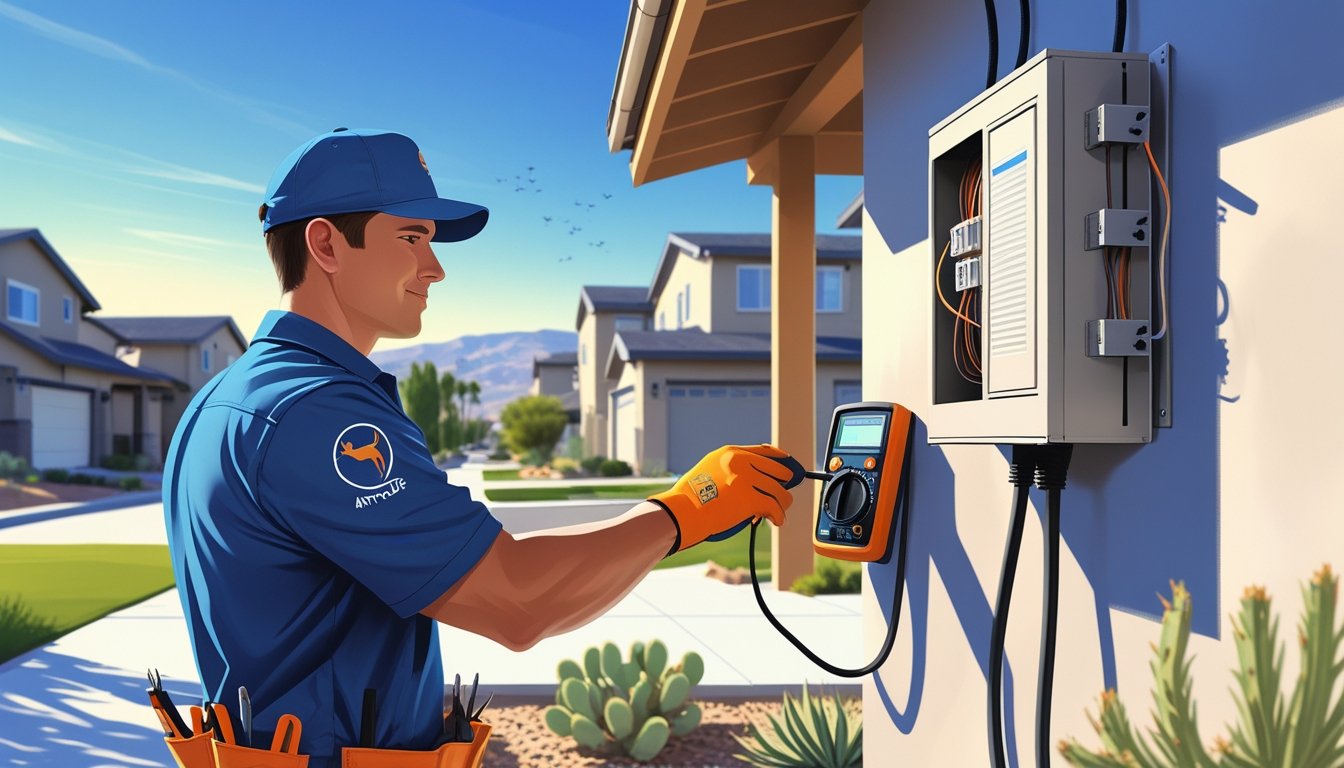
Basements and crawl spaces usually hide electrical risks that can mess with your whole house. Keeping these spots safe means regular inspections, good lighting, and making sure all wiring stays secure and dry. If you pay attention to circuit breakers and outlets down there, you can help prevent shocks and fires before they start.
It’s easy to ignore these spaces, but honestly, they need attention just like your main living areas. After serving Sacramento and the surrounding community for over 40 years, AAA Electrical Services has seen it all. They can help you stay safe with inspections and repairs, fast. Trusting licensed professionals with your basement’s safety protects your family and your investment.
Keep your basement and crawl space well-lit and clear of clutter so you don’t trip or miss hazards. Make sure certified technicians handle any electrical work, using the right gear and tools. That way, you get honest service and some real peace of mind.
Identifying Common Electrical Hazards in Basements and Crawl Spaces
Basements and crawl spaces hide dangers that can threaten your home. You’ve got to watch for dampness, damaged wiring, and pests. These issues can mess up your electrical system and start fires or cause shocks.
Moisture-Related Risks
Dampness is a big problem in basements and crawl spaces. Water or humidity can make electrical parts rust or corrode, which weakens wires, outlets, and panels—making them unsafe.
When moisture lowers insulation resistance, short circuits and shocks become more likely. If you spot discoloration around outlets or cracks in panels, that’s a sign of water damage.
Keep these areas dry. If you need to, run a dehumidifier and check for leaks now and then. Seal up all electrical boxes so water can’t sneak in. If you notice water damage, call a licensed electrician right away.
Exposed Wiring Concerns
Wiring in basements and crawl spaces often ends up exposed, especially after remodeling or if the wiring is just old. Exposed wires make electrical shocks, fires, or failures way more likely.
Scan for bare or damaged wires, loose connections, or wires near metal or damp surfaces. That stuff’s dangerous and needs fixing, pronto.
Don’t use extension cords as permanent wiring or overload your circuits. If you see old or frayed wiring, call in professionals like AAA Electrical Services. Their techs show up with “warehouse on wheels” trucks, so you usually get repairs done the same day.
Rodent and Pest Damage
Rodents and pests do more than annoy—they chew through wires and insulation, leaving live wires exposed. That can spark fires or cause shorts.
Look for chew marks, droppings near electrical boxes, or circuit breakers that trip out of nowhere. Pests love hiding in dark, tucked-away spots, so check crawl spaces closely.
Seal up entry points and keep these spaces clean and dry to keep critters out. If you find damage, have a qualified electrician handle repairs. AAA Electrical Services’ fully licensed, insured team can get your home back to safe, fast.
Best Practices for Safe Electrical Installation
When you’re working in basements or crawl spaces, you need the right materials, solid grounding, and experienced professionals. These steps don’t just keep your system running—they actually help prevent shocks and fires.
Choosing Water-Resistant Materials
Since basements and crawl spaces get damp, you’ve got to use water-resistant materials made for those conditions. Pick wiring rated for wet locations, like THWN or UF cables—they handle moisture way better than the usual stuff.
Use weatherproof covers on switches, outlets, and fixtures. Install GFCI (Ground Fault Circuit Interrupter) outlets anywhere water might show up, to guard against shocks. Regular sockets just aren’t up to the job down there.
Seal up any openings around wiring to keep water and pests out. The right materials give you a safer, longer-lasting system.
Grounding and Bonding Requirements
Grounding protects you by sending stray electricity safely into the earth. In damp places like basements, proper grounding really matters.
Bond all metal pipes, panels, and boxes together so electrical faults can’t cause shocks or fires. Use grounding rods or plates in concrete or dirt floors as the code requires.
Double-check that breakers and panels connect to a solid ground system. If you’re not sure, a licensed electrician can test and update your setup to meet current safety rules.
Professional Installation Guidelines
Basement and crawl space electrical work is not a DIY adventure. These areas are cramped, damp, and complicated.
Always hire a licensed electrician. Folks at AAA Electrical Services bring real experience and make sure your wiring meets local codes. They use approved materials and can spot hidden problems before they turn into headaches.
A pro will test every connection before leaving. Plus, with same-day service and flat-rate pricing, you get honest work and no surprises.
Routine Inspection and Maintenance Tips
Keeping your basement and crawl space safe starts with regular checks and basic maintenance. Watch for visible wear, test safety devices, and schedule expert visits to catch problems early and keep everything humming along.
Visual Checks for Damage
Take a close look at all wires, outlets, and junction boxes in your basement or crawl space. Watch for cracked insulation, frayed wires, or scorch marks. Damaged wiring is a real fire and shock risk, so don’t wait to get it fixed.
Check outlets and switches for looseness or discoloration. If you notice melting or smell something burning, stop using that circuit right away. Keeping things dry helps avoid short circuits and rust.
Use a flashlight to check behind storage or near pipes—those hidden spots can hide trouble. Jot down notes or snap photos of anything weird to show your electrician.
Testing Ground Fault Circuit Interrupters
GFCIs protect you from shocks, especially in damp places. Test your GFCI outlets monthly by pressing the "test" button—the power should cut off instantly.
Push the "reset" button to bring power back. If the outlet doesn’t respond, it’s probably faulty and needs replacing.
GFCIs are a must for family safety in moist areas. Even if nothing seems wrong, yearly professional testing is a smart move.
Scheduling Regular Professional Assessments
Even if you check things yourself, get your basement or crawl space inspected by a licensed electrician every 3 to 5 years. Older homes or places with past issues might need more frequent visits.
AAA Electrical Services’ techs show up with fully stocked vans and can handle most fixes right away. Their state-certified experts spot hidden problems like wiring faults, outdated panels, or unsafe outlets you’d probably never notice.
Booking same-day service with local pros means less stress and quick repairs. Regular expert assessments help you dodge expensive disasters.
Protective Measures and Equipment
To keep your basement or crawl space electrical systems safe, you need proper protection. That means using the right materials to block moisture and damage, and sealing up spots where water or dirt could sneak in.
Appropriate Insulation and Sealants
The right insulation shields wiring from cold, damp, and pests. Pick insulation made for wet or chilly places—foam board and spray foam work well because they block air and moisture.
Seal gaps around pipes, vents, and wiring paths with electrical-grade sealants. Make sure your sealant is non-conductive and flexible, so it can handle little shifts without cracking.
Inspect your insulation and sealants now and then. If you spot cracks or soggy spots, fix them right away. That helps you avoid electrical shorts or corrosion.
Installing Vapor Barriers
A vapor barrier—a plastic or foil sheet—keeps moisture from seeping through concrete walls or floors. Put one under your basement slab or on crawl space floors to keep humidity out and protect wiring and outlets.
Cover the entire ground surface and overlap seams by 6-12 inches, sealing them with waterproof tape. That creates a solid block against moisture and lowers your risk of electrical trouble.
If your crawl space has vents, seal or screen them to cut down on air movement that brings in dampness. Pair vapor barriers with a dehumidifier for even better results.
AAA Electrical Services can install and check these protections, making sure your home stays safe and dry. Their licensed pros serve Sacramento and nearby areas with quick, honest service that’s all about your family’s safety.
Emergency Response and Safety Procedures
Knowing how to cut the power and react to electrical emergencies in basements or crawl spaces can really make a difference. Acting quickly and safely might just prevent serious injuries or damage.
Power Shutoff Protocols
If you see sparks, smoke, or smell burning in your basement or crawl space, shut off the power first. Find your main electrical panel—usually in a utility room or near the garage—and flip the main breaker to OFF.
Don’t touch any electrical device or wiring if you spot damage before you cut the power. Keep your distance until it’s safe. If you can’t find the main switch, call AAA Electrical Services for help.
Let everyone in the house know before you turn off the power so they’re not caught off guard. Have a flashlight handy, since basements and crawl spaces get pitch-dark during outages.
Dealing With Electrical Shock or Fire
If someone gets shocked, don’t touch them if they’re still connected to electricity. Shut off the power at the breaker or unplug the device if you can. Then call 911 right away.
For electrical fires, skip the water—it’ll only make things worse. Use a Class C or multipurpose fire extinguisher if it’s safe. Aim at the base of the flames. If the fire spreads or you can’t handle it, get out and call emergency services.
Frequently Asked Questions
Staying safe in basements and crawl spaces means knowing how to handle electricity in tricky, sometimes damp areas. Regular checks, smart wiring, and the right outlets and lighting go a long way toward preventing accidents.
What safety precautions should I take when working with electricity in my basement?
Always shut off power at the breaker before starting work. Use insulated tools and wear rubber-soled shoes to lower shock risk.
Keep the area dry and well-lit. Don’t stand in water or on wet surfaces while working on electrical stuff.
Can you tell me the best practices for wiring in damp areas like crawl spaces?
Use wiring rated for wet locations—think moisture-resistant cable or conduit. Seal all connections tight so moisture can’t get in.
Keep wires off the ground by attaching them to joists or beams. That helps keep them away from water and pests.
Are there special considerations for electrical outlets and fixtures in a basement environment?
Install ground-fault circuit interrupter (GFCI) outlets in all damp areas to guard against shock. Use weatherproof covers to keep moisture out.
Pick fixtures made for damp locations. Regular bulbs or switches just don’t last in basements.
How often should I inspect the electrical work in my basement and crawl spaces for safety?
Get an electrical inspection every 3 to 5 years. If your house is older or you notice flickering lights or breakers tripping, check more often.
Professional inspections from a trusted company like AAA Electrical Services keep your system safe and up to code.
What should I do if I find frayed wiring or other electrical hazards in my basement?
First off, stop using that area right away and, if you can, shut off the power. Seriously, don’t mess around with it—just call a licensed electrician to check things out and handle any repairs or replacements.
Trying to fix tricky electrical stuff yourself? Not a great idea. Getting a pro in fast is just the safest move for everyone.
What type of lighting is recommended for basements to ensure electrical safety?
Go for LED or fluorescent lights with sealed, damp-rated fixtures. They tend to last longer and don’t crank out as much heat—so you’re less likely to run into fire hazards.
Steer clear of exposed bulbs. Proper lighting makes it easier to notice potential hazards and get things done safely.
If you need quick electrical repairs or want to upgrade your setup, AAA Electrical Services can usually get someone out the same day. Keeping your family safe really should come first, right?