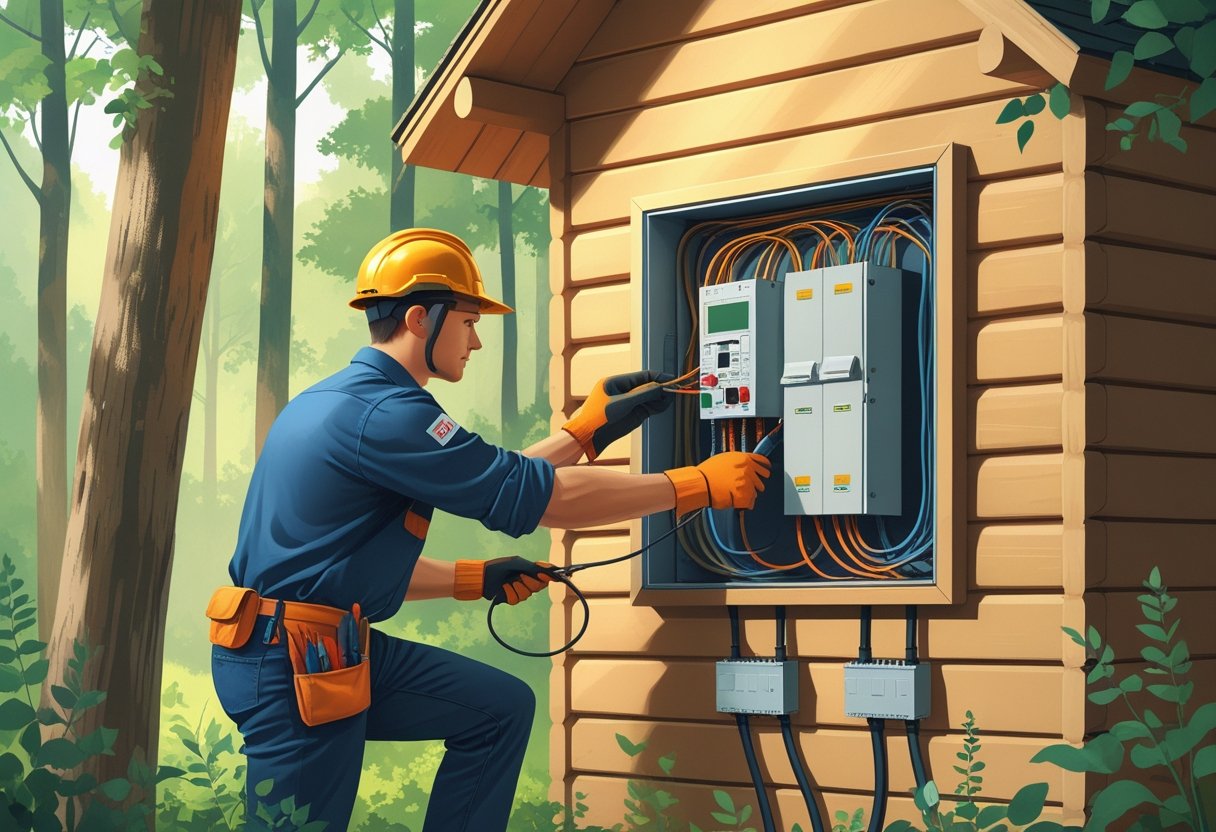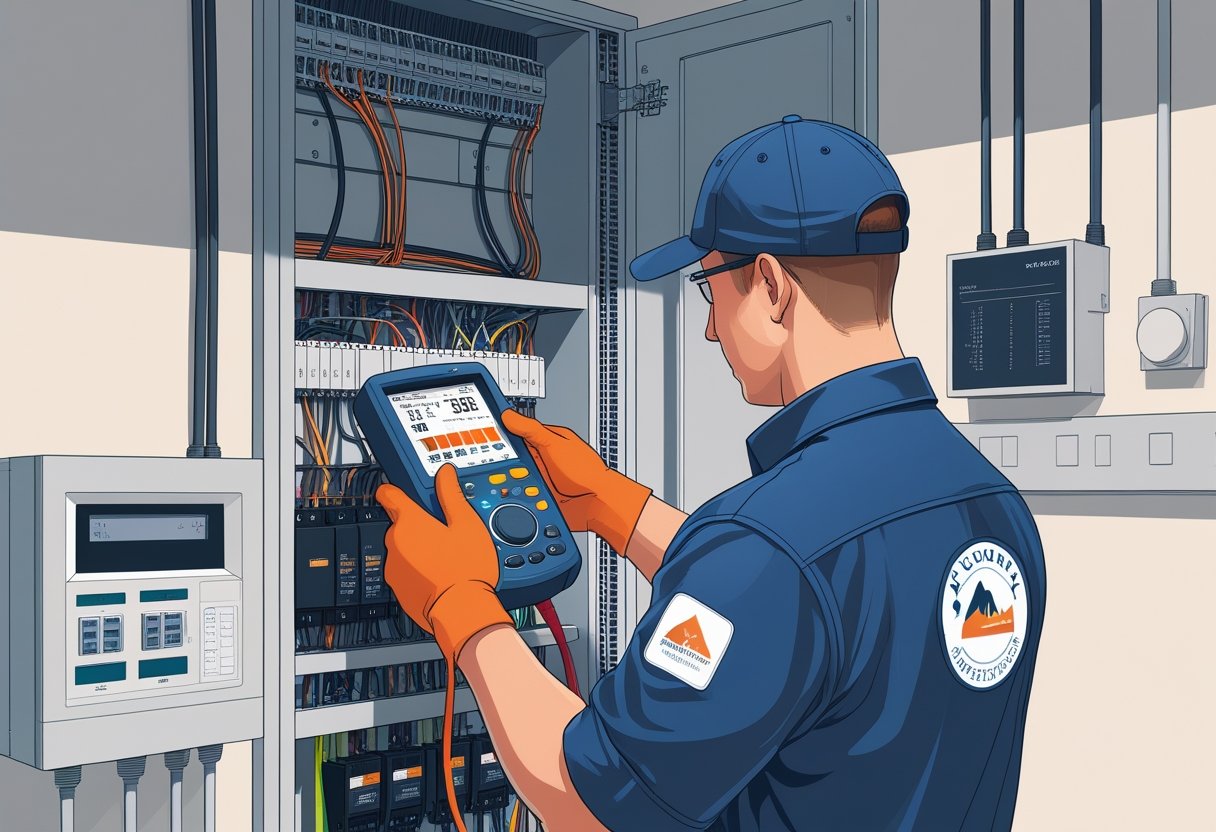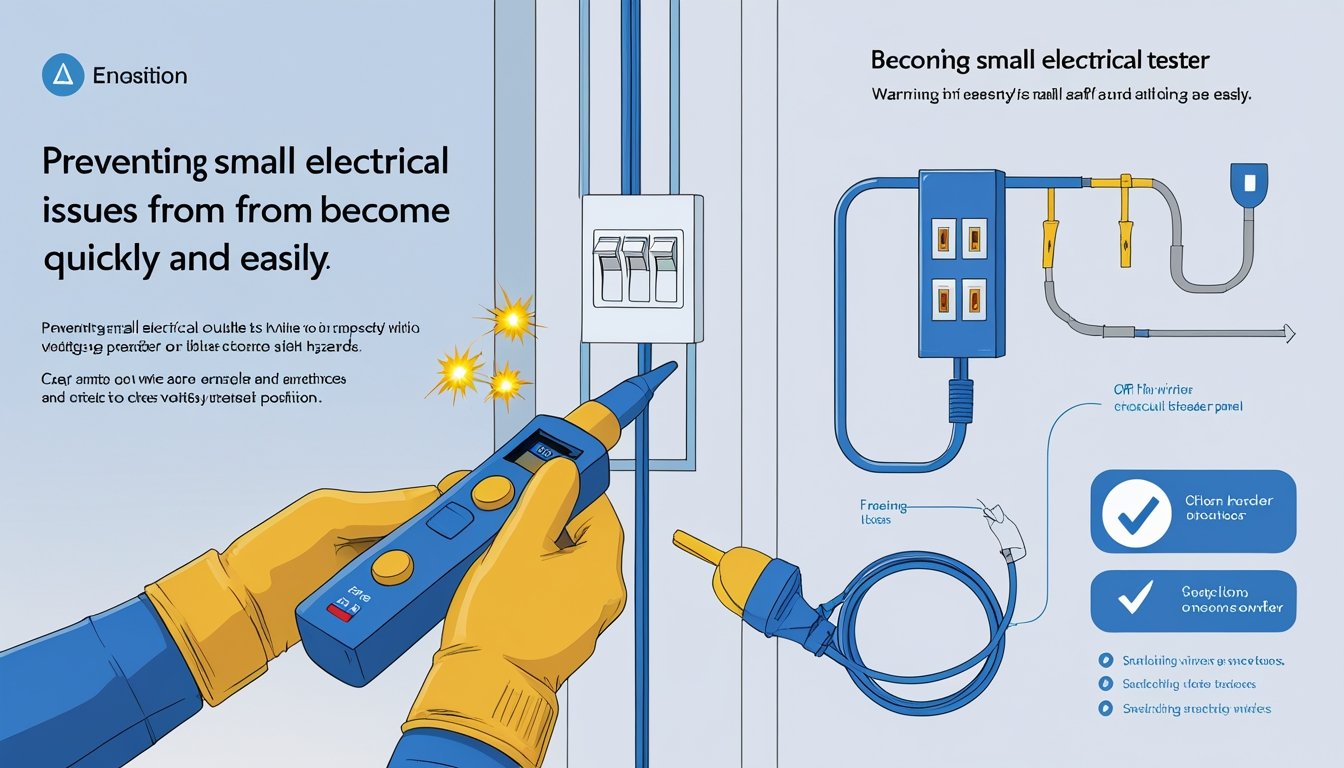
Small electrical problems at home might look harmless, but honestly, they can turn ugly fast if you ignore them. Catching these issues early really cuts down your risk of fires, shocks, and those wallet-draining repairs nobody wants. If you stay alert for warning signs and act quickly, you’re doing your family a favor and keeping your home safer.
Routine checks and quick repairs make all the difference. Licensed pros like the folks at AAA Electrical Services offer same-day service and usually show up with everything they need to fix things right away—most of the time, it’s done in one visit. That way, you’re not left waiting while problems get worse.
Living in Sacramento or nearby? You’ve got access to experts who get the local electrical quirks. With upfront pricing and a strong safety-first attitude, you can actually relax knowing your home’s in good hands.
Recognizing Early Signs of Electrical Problems
Spotting early warning signs can save you a ton of trouble later. Weird stuff going on with your electrical system? Don’t brush it off. The sooner you act, the safer your home will be.
Common Warning Signals
Some signs scream “electrical problem”—don’t ignore them.
- Frequent breaker trips: If your breaker keeps shutting off, something’s probably overloaded or faulty nearby.
- Flickering or dimming lights: Usually means a loose connection or sketchy wiring.
- Burning smells: Any burnt odor from outlets or panels is a big red flag—overheating or damaged wires could spark a fire.
- Sparks or exposed wiring: Serious warning signs you shouldn’t mess with—call a pro.
Handle these before they become a bigger headache.
Identifying Faulty Outlets and Switches
Outlets and switches can look fine but still be hiding problems.
- Loose or cracked outlets might spark or even shock you.
- Outlets that feel hot? That’s usually overload or bad wiring.
- Buzzing or glitchy switches mean something’s off inside.
- Discolored or scorched outlets? Get them checked ASAP.
Noticed any of this? It’s time to call AAA Electrical Services. Their certified techs in Sacramento and nearby spots know how to keep things safe and get repairs done fast.
Unusual Sounds and Odors
Listen and sniff around—your home’s electrical system will let you know if something’s wrong.
- Buzzing or crackling near outlets or panels? Probably bad wiring or a dying breaker.
- Burning or metallic smells mean something’s overheating or insulation’s melting.
- Popping sounds could be loose connections or short circuits.
These aren’t just annoying—they’re warnings. AAA Electrical Services can check these out quickly, and with their stocked vans, you won’t have to wait for parts.
Routine Electrical Safety Inspections
Keeping your home’s electrical system in check helps you dodge bigger problems. Inspections let you catch issues early, make sure everything’s up to code, and keep your family safe. But when should you get these checks done? That’s where a little planning pays off.
Guidelines for Homeowners
Start by watching for things like flickering lights, warm outlets, or breakers that trip a lot. Those little clues usually mean there’s a wiring or overload issue somewhere. Skip the DIY fixes for electrical stuff—just keep outlets and cords clear and tidy.
Make a list of your electrical appliances and jot down any changes or upgrades. It’ll help when you get an inspection. Test your GFCI outlets regularly—they’re lifesavers in wet spots. And don’t forget the basics: unplug stuff you’re not using, and don’t overload power strips.
When to Hire Licensed Electricians
Whenever you notice electrical problems or before you take on any major work, call a licensed electrician. Only certified pros have the know-how and gear to spot hidden trouble like faulty wiring or panels that don’t meet current codes.
Bringing in licensed electricians isn’t just a box to check—it’s real protection for your family. They follow safety rules, use the right parts, and can walk you through what needs fixing and why. AAA Electrical Services’ team does same-day work and treats your home with real care, so you’re less likely to face shocks or fires.
Scheduling Regular Assessments
Plan on getting your electrical system inspected every few years—say, every 3 to 5. If your house is older or you’re seeing issues, go for more frequent checks. Catching things early saves you money and stress.
Set reminders for inspections and keep a record of what gets checked or fixed. A simple checklist helps cover the basics: wiring, outlets, switches, panels. The pros will give you a report on safety and what needs updating. Scheduling ahead means fewer surprises and a safer home for your family.
Proper Maintenance of Electrical Systems
Good electrical maintenance isn’t rocket science—just a bit of regular care. Swap out old parts safely, keep panels clean, and test your safety devices. It’s not just about avoiding fires or blackouts; it’s about saving money and headaches later.
Safely Replacing Outdated Components
Old or worn electrical parts are just accidents waiting to happen. If you notice flickering, breakers tripping, or tired-looking outlets, it’s probably time to swap something out.
Always shut off the power at the breaker before touching anything. Stick to parts that meet local codes—don’t cut corners. Not sure what to do? That’s what the pros are for. AAA Electrical Services shows up with what they need, so you’re not left waiting.
Upgrading old wiring, switches, or outlets before they fail keeps your home safer and your family out of harm’s way.
Keeping Panels and Circuits Clean
Dust and gunk in your electrical panel? That stuff causes overheating and failures. Pop open the panel box now and then and look for corrosion or buildup.
Wipe the surface with a dry cloth or a vacuum meant for electronics. Never use water or sprays inside. Check for loose wires or burn marks, too.
Clean panels work better and help you avoid big repairs. If you see something weird, don’t mess with it—call a licensed tech.
Testing Ground Fault Circuit Interrupters
GFCIs shut off power fast if there’s a fault, keeping you safe from shocks. You’ll find them in kitchens, bathrooms, and outside.
Test your GFCIs once a month—press the “test” button and make sure the power cuts off. Hit “reset” to turn it back on. If it doesn’t work, it’s time for a pro to repair or replace it.
Testing these keeps everyone safer, especially around water. Working GFCIs really cut down the risk of nasty accidents.
Safe Practices and Prevention Tips
Staying on top of your electrical system isn’t just about fixing stuff—it’s about preventing problems in the first place. A few smart habits go a long way.
Avoiding Overloaded Circuits
Plugging too much into one circuit? That’s a recipe for tripped breakers or overheating wires. Spread out high-power gadgets, and don’t crowd one outlet.
If your breaker keeps tripping, that’s not normal—don’t just keep flipping it back on. It might be time for a system upgrade or repair. AAA Electrical Services can sort it out fast, thanks to their stocked vans.
And don’t get too cozy with extension cords. Use them short-term only—never under rugs or near water. Too many cords can start fires or cause shocks.
Using Quality Electrical Products
Cheap or knockoff electrical gear is a gamble. Always buy stuff that meets safety standards.
If a switch or outlet feels warm or sparks, replace it right away. Bad products can short out and up your fire risk.
When you upgrade, pick products built for your home’s needs. A licensed tech can help you choose and install the right parts. AAA Electrical Services uses quality stuff and fair pricing, so you know you’re not getting junk.
Protecting Children and Pets
Kids and pets add a whole new level to electrical safety. Use outlet covers to keep little fingers and paws out.
Keep cords tucked away and secure loose wires. Pets chewing cords? That’s a shock hazard and a fire risk. Big power sources like generators? Make sure there’s no water pooling nearby, especially if kids or pets are around.
Install GFCI outlets in kitchens, baths, and outdoors—they cut power fast if something’s wrong. Regular inspections will catch hazards before they get serious.
Following these safety tips helps your home feel safer, and honestly, it’s just one less thing to worry about.
Responding to Minor Issues Before They Escalate
Small electrical problems can snowball fast if you don’t jump on them. Knowing a few basic fixes, checking your system, and keeping notes on what’s happening can keep your home safer and save you from bigger bills.
Steps to Address Flickering Lights
Flickering lights? That’s usually a loose connection or an overloaded circuit. Figure out if it’s just one light or the whole room. If it’s just one, try tightening or swapping the bulb (but turn off the light first).
If lots of lights flicker, unplug some stuff on that circuit. Overloads can trip breakers or overheat wires. Still flickering? Don’t just shrug—call a licensed electrician to check out the wiring or circuit issues.
Dealing with flickering early stops bigger problems, like sparks or fires. AAA Electrical Services can fix things fast, usually the same day.
Dealing With Tripped Circuit Breakers
Breakers trip to protect you, but if it keeps happening, something’s up. First, unplug anything drawing a lot of power. Then, reset the breaker by flipping it all the way off and back on.
If it trips again right away, stop resetting—there’s probably an overload, short, or wiring problem. Don’t use those outlets until a pro checks it out.
Breakers that trip a lot aren’t just annoying—they’re a sign you need repairs. AAA Electrical Services has the gear and know-how to get it sorted before it gets worse.
Documenting and Tracking Concerns
Jotting down electrical issues helps you spot patterns and gives your electrician better info. Write down dates, what happened (like flickering lights or tripped breakers), where it happened, and what you tried.
A simple notebook or phone app works. Sharing your notes with your tech speeds up the fix. Tracking problems also helps you know when it’s time for a full inspection.
Keeping records makes your home safer and helps stop emergencies before they start. It’s a small effort for a big payoff.
When to Seek Professional Help
Sometimes, you just need to call in the experts. Certain problems are too risky to handle yourself, and waiting can make things worse.
Situations Requiring Immediate Attention
Notice sparks, a burning smell, or sudden power loss? Don’t wait—call an electrician right away. These are signs of serious trouble like bad wiring or even electrical fires. Exposed wires or breakers that trip a lot? Get help now.
Skip the DIY on high-risk stuff. Only licensed pros from companies like AAA Electrical Services should handle these problems. With stocked vans and same-day service, they’ll get things safe fast.
Understanding Electrical Codes and Regulations
Electrical work comes with a maze of codes and rules, all meant to keep things safe and running smoothly. If your home’s wiring or panels fall short of these standards, you might end up with serious hazards down the line. Most inspection failures trace back to wiring that’s too old, damaged, or just not grounded the way it should be.
Really, only certified electricians know how to keep up with these requirements. When you hire one, you get peace of mind that your system’s up to code and less likely to spark trouble. Not to mention, it keeps your place safer from fire risks and makes any future upgrades a whole lot easier. Sometimes, it’s just smart to book a professional electrical inspection and let someone else worry about what’s hiding behind your walls.
Frequently Asked Questions
Catching electrical problems early—before they snowball into disasters—can save you a fortune and a headache. Regular checks, spotting those weird warning signs, and a little maintenance here and there go a long way toward keeping your home or workplace safe. Nobody wants to deal with a surprise blackout or worse.
What steps can homeowners take to identify potential electrical risks early on?
Keep an eye out for flickering lights, outlets that feel warm, or any odd buzzing. Those might mean loose wiring or overloaded circuits. Always cut the power before you poke around.
If your home’s older or acting up, think about scheduling an electrical inspection every 3 to 5 years. A licensed electrician’s trained to spot the stuff most of us would never notice.
How can we regularly monitor our home's electrical system to catch small issues before they worsen?
Check your circuit breakers now and then, especially if any trip a lot. That usually points to bad wiring or too many things plugged in at once.
Watch for discolored outlets or switches, or if you ever smell something burning. Using a surge protector helps, and try not to plug too many cords into one spot—overloads are more common than you’d think.
What are the common warning signs that indicate an electrical problem in a household?
Lights that flicker or dim, outlets that don’t work, breakers that keep tripping—these are all red flags. Sometimes you’ll hear a buzzing from switches or outlets, which is never good.
If you notice warm or discolored faceplates on outlets or switches, that’s a sign things are overheating. Don’t wait—call a certified electrician if you spot any of this.
What routine maintenance can help avoid electrical hazards in the workplace?
Take a look at wiring, outlets, and electrical panels every so often for damage or wear. Swap out frayed cords and fix loose outlets as soon as you notice them.
Try not to run a bunch of extension cords from one outlet. Scheduling professional inspections can help catch problems before they escalate.
How can installing safety devices contribute to preventing electrical accidents?
Putting in circuit breakers, GFCIs, and surge protectors can really make a difference. These gadgets cut the power fast if something goes wrong.
Surge protectors also shield your electronics from nasty power spikes. It’s worth having a licensed electrician install these—getting it right the first time matters.
What habits should we adopt to minimize the risk of serious electrical incidents?
Always make sure the power’s off before you touch any electrical system—no exceptions. Stick to the manufacturer’s directions when you use cords and devices.
Avoid cramming too many plugs into one outlet or power strip. Keep electrical panels easy to reach and free from clutter. If something seems off or you spot an issue, it’s probably best to reach out to AAA Electrical Services. Their certified pros actually care about your family’s safety and respond quickly.