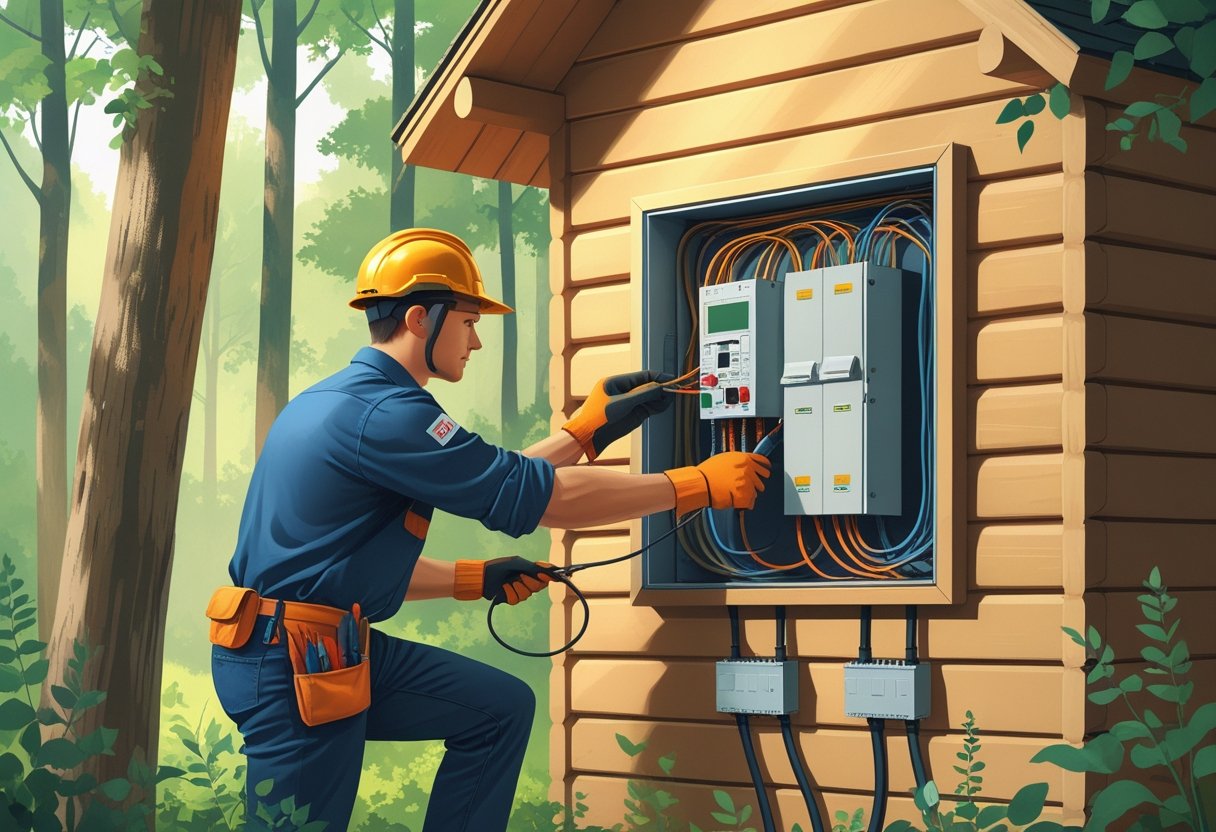
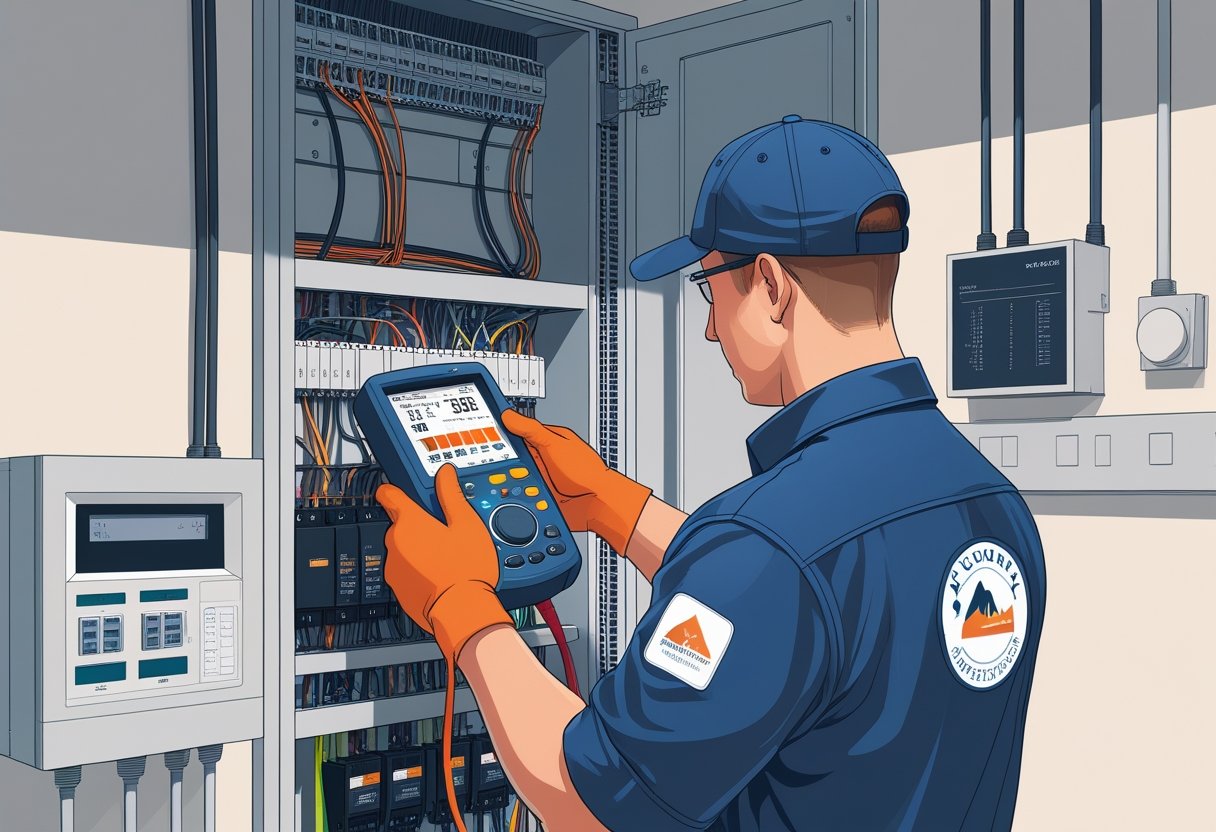
Adding more outlets in a room just makes life easier. You can power all your devices without fighting over plugs or running extension cords everywhere. But the trick is to make sure your home’s electrical panel can actually handle the extra load, and any new wiring should meet today’s safety standards. Cutting corners here can lead to flickering lights, tripped breakers, or even fire risks—nobody wants that.
Before you start, think about where you actually need more outlets. Some rooms, like kitchens and home offices, might need dedicated circuits. A licensed electrician can check your system, recommend upgrades, and get the job done safely. AAA Electrical Services, for example, offers same-day work and brings everything they need in their vans to do it right the first time.
They’re big on friendly, flat-rate pricing and treat your home with care. If you’re in Sacramento, Roseville, or anywhere nearby, it just makes sense to put safety first with electrical upgrades. It’s a smart way to avoid headaches later.
Understanding Electrical Limits
When you add outlets, you need to know what your circuits can handle. It’s also smart to watch for signs that your wiring might be maxed out or just old. These checks keep everyone safe and help you dodge expensive problems.
Assessing Circuit Capacity
Each electrical circuit in your house has a limit, set by its breaker—usually 15 or 20 amps for most rooms. The breaker trips if you go over that. Take a look at your breaker panel to see the ratings and figure out which outlets are on each circuit. If you add too many outlets without thinking about the breaker size, you could overload things. And if your outlets are old two-prong types, they're not really cut out for today’s gadgets.
Make sure your upgrades match your panel’s capacity. If you’re not sure about your circuit’s limits, have an electrician check the load and see if you might need a panel upgrade. AAA Electrical Services can help with this—they’ll make sure your upgrades fit your home’s electrical setup.
Recognizing Signs of Overload
An overloaded circuit is no joke. If your lights flicker when you use several devices, or if outlets feel warm, those are red flags. Breakers tripping often? That’s a clear sign.
You might also catch buzzing or burning smells near outlets or switches. That means the wiring or outlets are working too hard. Don’t ignore these signs—your system needs a check.
If you spot any of these issues, stop using those outlets and call a licensed electrician. Quick repairs can prevent serious accidents and keep your home safe.
Identifying Existing Wiring Types
Older homes can hide a lot of outdated wiring—two-prong outlets, knob-and-tube, or even aluminum wires. These just aren’t up to the job for modern electronics and bigger appliances.
Check your outlets: two-prong means no grounding, which isn’t great for safety. If your outlet covers or switches look cracked or brittle, they’re probably overdue for an update.
Modern wiring uses copper with grounding. An electrician can take a look and suggest what needs upgrading. This is a must before adding new outlets to keep things safe and up to code.
AAA Electrical Services does thorough inspections and upgrades, always putting safety first for families in Sacramento and nearby.
Planning Outlet Expansion in Your Room
Before you add outlets, think about where you’ll actually use them, how much power you need, and what type of outlets work best. A little planning makes your new outlets safer and more useful.
Mapping Outlet Placement
Walk around your room and see where you plug things in the most. Outlets should go near desks, entertainment centers, and anywhere you keep lamps or chargers. Keep them away from water—no one needs an electrical hazard.
Sketch out your room and mark those spots. Try to space outlets every 6 to 12 feet along walls to follow local codes and keep cords out of sight. Think ahead, too—will you add a desk or more lighting later?
Not sure where they should go? An electrician from AAA Electrical Services can help you plan the best spots for your lifestyle.
Calculating Power Needs
Figure out how much power your stuff actually uses. List out everything—computers, TVs, fans, chargers—and jot down their wattage. This helps you decide how many outlets you need and if you’ll need a dedicated circuit.
Don’t put too many high-power items on one circuit, or you’ll trip breakers or worse. Spread out big appliances if you can.
If your panel’s already full or just old, maybe it’s time for a panel upgrade. Licensed techs can check your panel and give you advice.
Selecting Appropriate Outlet Types
Pick outlets that fit your needs. Standard ones work for most things, but if you’re near water, go with GFCI outlets for extra safety.
For big appliances or fast chargers, you might need dedicated outlets with higher amperage. USB outlets are handy for charging phones and tablets without hunting for adapters.
If you’ve got kids at home, make sure outlets are tamper-resistant. It’s a simple step for peace of mind.
AAA Electrical Services focuses on safe, family-friendly installations, so your outlets are both practical and protective.
Safe Installation Methods
If you want more outlets, you’ve got options. Whether you use power strips, install new outlets, or need something temporary, the main thing is to avoid overloading circuits and follow good wiring practices.
Using Power Strips and Surge Protectors
Power strips are a quick fix for more plugs. But to stay safe, always pick surge protectors with built-in breakers. They help protect your gear from power spikes. Don’t chain power strips together—that’s a fire waiting to happen.
Look for high joule ratings for better surge protection. Keep cords away from heat and water. Never plug in big appliances like heaters or ACs.
Power strips are good in a pinch, but don’t make them your long-term solution. Always check you’re not overloading them.
Installing New Electrical Outlets
Adding permanent outlets usually means working inside walls and the breaker panel. Match new outlets to your panel’s capacity. Using the wrong wires or breakers can be dangerous.
Always turn off the power before you start. Install grounded, three-prong outlets—they’re the standard now. Upgrading from two-prong outlets helps protect both your family and electronics.
For this kind of job, call licensed electricians like AAA Electrical Services. They handle wiring and breakers to code, and their vans are stocked for same-day service.
Adding Temporary Extension Solutions
Sometimes you just need a temporary fix for an event or project. Use heavy-duty extension cords rated for your devices, especially if you’re outside or somewhere damp.
Keep cords out of walkways to prevent trips. Never plug extension cords into each other—it’s a fire risk. Unplug them when you’re done.
Stick to short cords to avoid voltage drops, which can mess with your devices. Label cords and check them for cracks or frays.
Temporary fixes are fine for a while, but if you keep needing more power, consider a permanent upgrade. Safety first, always.
Working with Licensed Electricians
Adding outlets isn’t just about plugging things in—it takes know-how and following the rules. Knowing when to call a pro, what to ask, and what permits you might need keeps your home safe.
When to Hire a Professional
Bring in a licensed electrician if your project means changing wiring, adding circuits, or working on your panel. These jobs need real expertise to avoid fires or shocks. If you see flickering lights, breakers tripping, or your wiring is over 40 years old, it’s time to call someone.
A pro has the tools and experience to spot problems behind walls and in your breaker box. They make sure everything’s up to code. AAA Electrical Services can show up fast for urgent jobs and bring everything they need.
Questions to Ask an Electrician
Before hiring an electrician, ask if they’re licensed, insured, and certified—this protects you and your property. Find out how many years they’ve worked on outlet installs and upgrades. Ask about their pricing—flat rates are less stressful than surprise fees.
It’s worth asking about their safety steps and if they guarantee their work. They should walk you through permits and inspections, too, and always keep your safety top of mind.
Permits and Codes to Follow
You usually need a city or county permit to add outlets. These rules make sure the wiring, outlet placement, and breaker sizes are safe. Skipping permits can mean fines or trouble when you sell your home.
A licensed electrician takes care of permits for you and knows local rules. They’ll make sure you pass inspection. Sticking to code keeps your home safe and your insurance valid. Make sure your electrician does everything by the book.
Preventing Electrical Hazards
When you add outlets, you’re adding more power sources. To keep things safe, watch for warning signs, avoid risky wiring setups, and balance the load on each outlet. These steps help prevent fires and shocks.
Regularly Inspecting Outlets
Check your outlets often. Look for discoloration, burn marks, or weird smells—these can mean overheating. If you see sparks or hear buzzing, stop using that outlet and get it checked.
Loose outlets are trouble. If plugs don’t fit tightly, they can overheat or shock you. Make sure outlets are snug in the wall. If any feel warm, that’s a red flag.
AAA Electrical Services offers inspections to keep your outlets safe. Catching problems early can save you bigger hassles later.
Avoiding Daisy-Chaining Extension Cords
Plugging one extension cord into another—daisy-chaining—is just asking for trouble. It can overload cords and circuits, leading to overheating or even fires.
Instead, use a power strip with a built-in breaker, or better yet, add more outlets for your needs. If you do use extension cords, pick heavy-duty ones and don’t exceed their wattage.
Don’t run cords under rugs or through doorways, where they can wear out. Use cords wisely and only when you really need them.
Maintaining Proper Load Distribution
Every circuit in your home is built for a certain amount of electricity. Plugging too many high-power devices into one can trip breakers or overheat wires.
When you add outlets, make sure the circuit can handle it. Spread out big appliances across different circuits. Don’t put all your heavy-duty stuff on a single outlet or breaker.
If you’re not sure about your home’s wiring or load, get a professional inspection. AAA Electrical Services can check your circuits and upgrade your panel if needed. This keeps everything running safely.
Frequently Asked Questions
Expanding the number of outlets in your room is totally doable with the right tools and a little know-how. You’ve got options—quick fixes, permanent solutions, or something in between—depending on your needs and how your room is set up.
What are the safest steps to increase outlet availability in my home?
First things first—flip off the power at your breaker box before touching anything. Use wiring and outlets actually rated for what you’re doing. If you’re thinking about extending an existing circuit to add outlets, watch out for overloading. Not sure where to start or feeling uneasy? Bring in licensed electricians like the folks at AAA Electrical Services. It’s just not worth the risk.
Can I use a power strip to add more outlets, and how do I choose the right one?
Sure, power strips work for adding outlets in a pinch. Pick one that’s got a built-in circuit breaker and surge protection. Never chain power strips together or pile on heavy appliances. It’s tempting, but you’ll just end up with problems.
What's the best way to add outlets to a kitchen with limited plug-in options?
Kitchens always seem to need more outlets, right? With all those appliances, it gets tricky. You’ll need to follow local electrical codes—especially near sinks or anything wet. A licensed electrician can put in new outlets with proper GFCI protection, so you don’t have to stress about safety rules.
Are wall-mounted outlet extenders a reliable solution for adding more outlets?
Wall-mounted extenders give you extra spots to plug in, but honestly, they’re just for light, short-term use. They don’t replace real wiring upgrades, especially if you’re running stuff that pulls a lot of power.
How can I add more power sources in a room that currently only has one outlet?
You might be able to install a new outlet off the existing circuit, but don’t push your luck with overloading. If you need to run a bunch of high-powered gear, you could need a subpanel or even a circuit upgrade. A pro can check out your setup and help you figure out what’s actually safe.
Is it possible to add additional outlets without major electrical work?
You can sometimes get by with outlet extenders or power strips, skipping any rewiring. But honestly, if you want something safe and reliable—especially in an older house or a spot where you use a lot of gadgets—it's probably best to call in a pro for new wiring or real upgrades.
If you're around Sacramento and want electrical work done right, AAA Electrical Services has certified techs, flat-rate pricing, and even same-day appointments.