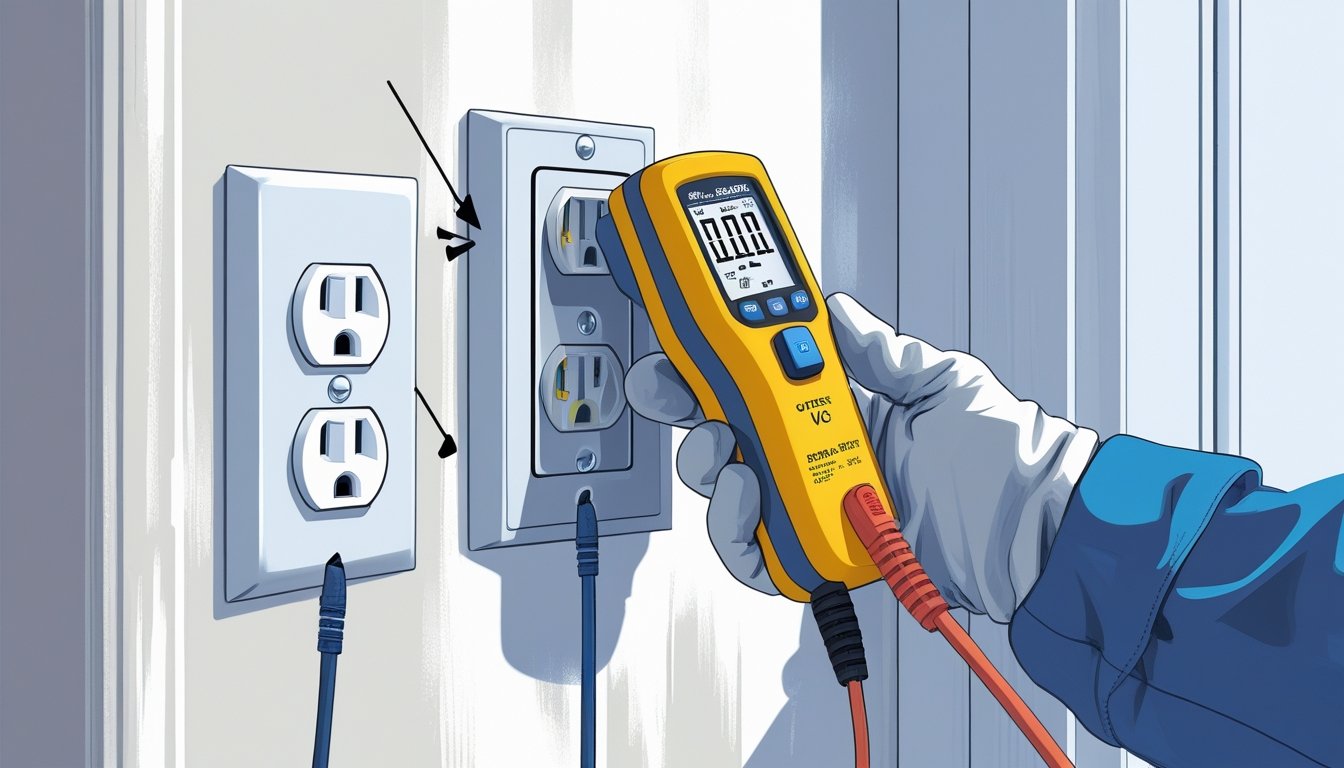
Testing your outlets for safety and reliability is a smart way to protect your home and family from electrical hazards. You can use simple tools like a plug-in outlet tester or a multimeter to quickly check if your outlets work properly, have correct wiring, and provide the right voltage. This helps you catch problems like loose connections or faulty wiring before they turn into fires or shocks.
Knowing how to spot warning signs like warm outlets, sparks, or burning smells is also important. If you find anything odd or just feel unsure, it’s smart to call licensed professionals like AAA Electrical Services. Their certified technicians offer same-day service and show up ready to fix most problems right away. That means you don’t have to wait around worrying.
Whether you’re in Sacramento, Roseville, or close by, you can lean on expert support that puts your family’s safety first.
Understanding Outlet Safety
Understanding how outlets work—and what can go wrong—helps you keep your home safer. Spotting problems early means you can get help before they turn into real hazards. Paying attention to how outlets look, feel, and even sound is a big part of protecting your family.
Basic Electrical Concepts
An electrical outlet lets you plug in devices and draw power from your home’s wiring. Most outlets deliver 120 volts, which is enough for lamps, chargers, and most small appliances. Wires inside your walls carry this electricity safely, at least when everything’s in good shape.
Outlets have two or three holes: two for the current, one for grounding. The ground wire gives electrical faults a safe way out, helping prevent shocks. Proper wiring and grounding are key so your outlets work safely.
Loose or damaged wires inside an outlet can cause trouble. That’s why regular testing and inspection matter. You want to know everything’s working as it should.
Common Risks Associated With Outlets
Outlets can get dangerous if they’re damaged, worn out, or installed wrong. The most common risks? Shocks, sparks, and sometimes even fires. Kids are especially at risk if outlets don’t have safety covers.
Plugging too many things into one outlet can make it overheat. That can damage wiring or even start a fire. Old or faulty outlets can shock you if you touch them or the plugs.
If you’re using outlets near water—think kitchens, bathrooms—you need GFCI outlets. These cut power fast if there’s a fault, helping prevent shocks. Making sure your outlets meet safety codes is a simple way to lower these risks.
Signs of Unsafe Outlets
You can spot unsafe outlets if you know what to look for. Discoloration or burn marks around the outlet? That’s a red flag for overheating. Hearing buzzing or crackling noises when you plug something in? Also not good.
Other warning signs: outlets that feel warm, plugs that fall out easily, or outlets that spark when you use them. If an outlet doesn’t work at all or keeps tripping the breaker, it’s time to call in professional help.
If you see any of these issues, reach out to a trusted company like AAA Electrical Services. With decades of experience, they can usually fix problems fast and help keep your home safe.
Tools Required for Outlet Testing
To test outlets properly, you’ll need a few specific tools. The right testers help you find problems like bad wiring or loose connections—without guessing.
Types of Outlet Testers
Outlet testers are handy little tools that check for wiring errors. Plug one into your outlet, and it’ll light up to show if the wiring is right. Common problems they spot include:
- Open ground
- Open neutral
- Open hot
- Reversed wiring
They’re simple to use and great for basic checks, but they don’t measure voltage or pick up on every issue. Still, for most homeowners, a basic outlet tester is a solid place to start.
Multimeters and Their Uses
A multimeter is a step up. It measures voltage, current, and resistance, letting you check if an outlet delivers the right voltage—usually about 120 volts at home.
Here’s what you do:
- Set the multimeter to AC voltage
- Carefully insert the probes into the outlet slots
- Check the reading—if it’s way off, something’s wrong
You can also use a multimeter to test continuity and find wiring breaks. They take a bit more know-how, but they give you a fuller picture of what’s going on.
Personal Safety Equipment
Safety needs to come first when testing electrical outlets. Wear insulated gloves and make sure your tools are rated for electrical work.
Keep these on hand:
- Insulated rubber gloves
- Safety glasses
- Insulated screwdrivers
AAA Electrical Services always puts safety first. The right gear really cuts down risk when you’re testing or fixing outlets. If you’re not sure what you’re doing, don’t push it—call the pros.
Preparing for Outlet Testing
Before you dive in, get ready in ways that keep you safe and make things easier. Make sure the power’s off and take a good look at the outlet for any obvious problems.
Ensuring Power Is Off
Always turn off the power at the circuit breaker before you start. This helps prevent shocks. Use a non-contact voltage tester to double-check that the outlet is actually dead.
Find your circuit breaker panel—usually in the garage, basement, or utility room. Flip the breaker for the outlet you want to test. If it’s not labeled, mark it for next time.
Test the outlet with a tester or voltage meter. If it still shows power, check the breaker again or just call AAA Electrical Services for backup.
Inspecting the Outlet Visually
Take a close look at the outlet before you plug anything in. Cracks or burn marks on the faceplate? That’s a sign of overheating or damage. If the outlet feels loose in the wall, that’s not good either.
Check the cover and wall for any signs of water. Moisture near an outlet is dangerous and needs attention right away. If you see damaged wiring inside, don’t touch it.
If anything looks worn or broken, it’s time to get a pro involved. A quick visual check can save you a headache down the road.
Step-By-Step Guide to Testing Outlets
Testing outlets for safety means checking wiring, continuity, and safety features. Each step helps make sure your outlets are working right and keeping your home protected.
Testing for Proper Wiring
Start by checking the outlet’s wiring. Use a voltmeter or outlet tester and plug it in. The lights or readings will show if things are wired right or if you’ve got problems like reversed wires or missing grounds.
Check that the outlet is properly grounded. Grounding helps protect you from shocks if something goes wrong. If you see loose or damaged wires, don’t wait—those need fixing. Call a licensed electrician like AAA Electrical Services if anything looks off.
Don’t mess with wiring unless you really know what you’re doing. Just testing for proper wiring can help prevent fires or shocks.
Checking for Continuity
Continuity testing checks if electricity can flow through the wires without breaks. You’ll need a multimeter set to continuity mode.
First, turn off the power. Then, disconnect the outlet and touch the multimeter probes to the terminals. If the meter beeps or shows a reading, the circuit’s good; if not, there’s a break.
This helps you find broken wires or loose connections. If you hit a snag, bring in a pro to fix it right.
Testing Ground Fault Circuit Interrupters (GFCIs)
GFCI outlets protect you from shocks by cutting power fast if there’s a problem. You should test them regularly—especially in kitchens, bathrooms, or outside.
To test, press the "Test" button on the outlet. Power should cut off to that outlet and any others it protects. Then, hit "Reset" to turn it back on. If it doesn’t trip or reset, it’s probably time for a new one.
You can also use a GFCI tester to make sure it trips at the right time. If something seems off, call AAA Electrical Services. Working GFCIs give you extra peace of mind.
Assessing Outlet Reliability
If you want your outlets to work well and safely, check that the power flow stays steady and look for signs the outlet might fail sometimes. These steps help you avoid shocks or damage to your stuff.
Evaluating Voltage Stability
Voltage stability means your outlet delivers steady power. Use a multimeter and measure the voltage—it should be around 120 volts. If it jumps around or drops below 110, you could have wiring problems or an overloaded circuit.
Unstable voltage can make lights flicker or appliances act weird. It’s also a safety risk, as wires can overheat. If you see weird readings, call an electrician. Better safe than sorry.
Detecting Intermittent Faults
Intermittent faults are the worst—they come and go. Usually, they’re from loose connections or worn-out parts. Devices might turn off at random, or the outlet might feel warm.
To check, plug in a lamp or tester, then wiggle the plug a bit. If it cuts out, that outlet needs fixing. Intermittent faults can lead to shocks or even fires, so don’t ignore them. AAA Electrical Services can usually sort these out on the first visit.
Interpreting Test Results
When you test your outlets, you’ll get readings that show if your wiring’s safe and working. These results help you spot bad wiring or grounding problems. Knowing what to look for is key to keeping your home safe.
Identifying Wiring Issues
Bad wiring causes a lot of outlet problems. Watch for reversed hot and neutral wires—they can shock you or wreck your appliances. A voltmeter can help you spot these. If the voltage between hot and neutral seems off, maybe the wires are swapped.
Loose wiring often shows up as low or fluctuating voltage. This can make things spark or overheat. Always check if the grounding wire is connected right—it should show a steady connection.
If you’re not sure, AAA Electrical Services does inspections with licensed techs who know what to look for. They use certified tools so every outlet meets safety standards.
Understanding Error Indicators
Outlet testers or voltmeters sometimes show error codes. Common ones are "open ground," "open neutral," or "reversed polarity." Each points to a specific wiring problem that can be a safety risk.
- Open Ground: No ground connection. Higher shock risk and can mess up sensitive devices.
- Open Neutral: Neutral wire’s disconnected. Outlets might not work right.
- Reversed Polarity: Hot and neutral are switched, which can shock you or ruin devices.
If you see any of these errors, don’t use the outlet until it’s fixed. Call a pro like AAA Electrical Services. Their techs come prepared and can usually fix things fast.
Paying close attention to these results helps keep your family safe and your home’s electrical system humming along.
Addressing Common Outlet Problems
Outlets can act up and mess with both your safety and your daily routine. Spotting and fixing problems early goes a long way toward keeping your family safe and steering clear of major electrical headaches.
Loose or Damaged Connections
Loose or damaged connections are trouble. Maybe you notice outlets that wiggle when you plug something in, or your devices just don’t get steady power.
Usually, this happens because the wires inside the outlet aren’t tight, or maybe they’ve broken down over time. If ignored, these issues can spark, shock, or—worst case—start a fire.
If you’re comfortable, turn off the power and take off the outlet cover. Look for loose screws or frayed wires. If you spot anything sketchy, don’t use that outlet. Seriously, just call a licensed electrician.
AAA Electrical Services sends technicians with a “warehouse on wheels”—so they usually have the parts and tools to get things fixed right away. That means less waiting around and more peace of mind.
Overheating Issues
Overheating outlets are never a good sign. If you feel warmth or catch a whiff of something burning near an outlet, turn it off and stop using it right then and there.
Overheating can come from overloaded circuits, old wiring, or outlets that just can’t handle what you’re plugging in. This stuff can start fires, so don’t shrug it off.
Spread heavy appliances across different circuits to help prevent overheating. If you ever notice heat or burning smells, call a pro to check and fix things safely.
AAA Electrical Services offers quick inspections and repairs in Sacramento and nearby areas. They stick to honest, flat-rate pricing and do their best to show up the same day.
When to Seek Professional Help
Sometimes, you just need to call in a pro. Electrical issues can be tricky, risky, and honestly, not worth the hassle or danger if you’re not trained. Plus, there are legal codes and safety standards to think about when dealing with home wiring.
Recognizing Complex Electrical Issues
Sparks, frequent breaker trips, burning smells, or warm outlets? Don’t wait—these are red flags. They might mean bad wiring, overloads, or faulty circuits that need a pro’s attention.
Stuff like wiring inside walls, panel upgrades, or grounding tests really need specialized tools and know-how. Trying to tackle these yourself could mean shocks, fires, or a big repair bill. A licensed electrician knows where to look and how to stay safe.
AAA Electrical Services rolls out with fully stocked vans and aims to fix most problems in one trip. Their techs take your family’s safety seriously and handle the complicated jobs the right way.
Legal and Safety Considerations
Electrical work isn’t a free-for-all—permits and local codes exist for a reason. DIY fixes that skip the rules can mess with your insurance or cause problems if you sell your home.
Let a certified pro handle panel inspections, breaker tests, or wiring upgrades. They carry insurance and use approved parts, keeping things safe and up to code in Sacramento and surrounding areas.
Working with licensed electricians means you get clear pricing and straightforward communication. AAA Electrical Services has a reputation for honest quotes and a family-first mindset, so you don’t get blindsided. They’re all about protecting your home and your peace of mind.
Ongoing Outlet Maintenance Tips
Keeping your outlets in good shape isn’t hard, but it does take a little attention now and then. A few regular habits can help you dodge burning smells, loose wires, and power hiccups before they become real problems.
Routine Checks
Every few months, give your outlets a quick look. Watch for warmth, discoloration, or cracks in the cover. If an outlet feels warm, you might have overloaded wiring or a loose connection. Plugs should fit snugly—no wobbling.
An outlet tester or multimeter makes it easy to check grounding and wiring. If you see flickering lights or frequent breaker trips, you could be dealing with faulty wiring or an overloaded circuit.
If you spot damage, sparks, or anything else alarming, stop using that outlet and get a pro to fix it. AAA Electrical Services offers fast, same-day repairs in Sacramento and nearby areas, always putting your family’s safety first.
Tips for Preventing Future Issues
Don’t overload outlets—spread your devices out across different circuits. Power strips with surge protection are a smart move. Keep outlets dry and away from water to avoid shocks or shorts.
If your outlets are old, consider upgrading to safer models like GFCIs, especially in kitchens and bathrooms. GFCIs help prevent shocks in wet spaces. It’s also wise to have a licensed electrician check your home’s wiring and panel every few years to catch hidden problems early.
AAA Electrical Services keeps their vans stocked for quick repairs. Staying on top of things helps you protect your home and family, with honest pricing and service you can actually rely on.
Frequently Asked Questions
Testing your outlets means checking voltage, wiring, and grounding to make sure they’re safe and reliable. Keep an eye out for burning smells or loose connections too—those are warning signs. Use the right tools and follow safety steps to stay protected while you test.
What is the correct way to use a multimeter for checking outlet safety?
Set your multimeter to AC voltage. Stick one probe in the hot slot, one in the neutral. You should see about 120 volts. You can also check grounding by measuring between hot and ground slots.
Can I test my electrical outlets for reliability without professional tools?
You can do some basic checks with a simple outlet tester—cheap, easy, and gives you a quick read. For more detail, a multimeter is better. But if you want the full picture, call in experts like AAA Electrical Services.
What are the signs that indicate an outlet is no longer safe?
Watch for burning or melting smells, scorch marks, buzzing sounds, or any cracks and looseness. If the breaker trips a lot when you use the outlet, that’s a big red flag. Don’t ignore these—unsafe outlets can get dangerous fast.
Which method do professionals recommend for testing outlet safety?
Pros use a mix of visual checks and electrical tests—multimeters, specialized testers, the works. They’re looking for correct voltage, wiring faults, grounding, all that. Licensed electricians from AAA Electrical Services make sure the test is thorough and accurate.
How often should I test my home outlets to ensure they are functioning properly?
Once a year is a solid rule, especially if your home’s on the older side. Test after any electrical work, or if you notice issues like flickering lights or hot outlets. Regular checks help you avoid hazards and keep your family safe.
What safety precautions should I take while testing electrical outlets?
First things first—flip off the breaker before you even think about poking around an outlet. Grab some insulated tools; you really don’t want to risk touching the metal ends of those probes if the outlet’s live. Seriously, if you’re not feeling confident or something seems off, just call a licensed electrician. Better safe than sorry, right?