If your home’s electrical system feels outdated or you notice frequent power issues, it might be time to replace your main breaker panel. A main breaker panel replacement helps your home handle modern power demands safely and prevents risks like overloads or electrical fires.
This panel is the heart of your electrical setup, controlling power for your entire house. Upgrading it improves safety and gives you the capacity needed for new appliances or devices.
Knowing what’s involved helps you decide if it’s the right move for your home.
What Is a Main Breaker Panel?
A main breaker panel is the heart of your home's electrical system. It controls the flow of electricity to all your circuits and protects your home from overloads by shutting off power when needed.
Understanding its differences, ratings, and common setups will help you know more about your electrical system.
Main Breaker Panel vs. Subpanel
A main breaker panel has a single large switch, called the main breaker, that can shut off electricity to your entire home. This helps you quickly stop all power during emergencies or repairs.
A subpanel is a smaller panel that gets power from the main breaker panel. It controls only a part of your home’s circuits, like a garage or an addition.
Subpanels don’t have a main breaker because the main panel already controls the power coming in. Knowing the difference helps you understand where to find power controls and how electricity flows through your home.
Electrical Service Ratings
Your main breaker panel is rated by how much electricity it can safely handle, measured in amps. Common ratings are 100, 150, 200, or 400 amps.
A higher rating means your panel can safely support more electrical devices and appliances. If your home uses a lot of power, like for heating, air conditioning, or electric cars, you likely need a panel with a higher rating.
Make sure your panel’s rating matches your household’s power needs. Using the right size prevents frequent breaker trips and keeps your home safe.
Common Configurations
Main breaker panels come in different setups, but most have a similar layout. You’ll see one big main breaker switch at the top or side.
Below it, there are smaller branch breakers. These smaller breakers control individual circuits, like lights, outlets, or appliances.
Panels usually have spaces called slots where breakers fit in. Two common types of breakers you might find are:
- Standard breakers: Control single circuits.
- Tandem breakers: Fit two circuits into one slot to save space.
Knowing your panel’s layout helps you find and replace breakers or add new circuits safely.
Signs You Need Main Breaker Panel Replacement
Your electrical panel is key to keeping your home powered and safe. Certain signs show when it might be time to replace your main breaker panel before bigger problems happen.
Watch for clear signs like visible damage, frequent breaker trips, and the age of the panel.
Physical Damage Indicators
Look closely at your breaker panel for any rust, corrosion, or burn marks. These are signs the panel may have been exposed to moisture or overheating.
If the panel feels warm to the touch or if you smell a burning odor nearby, turn off the main power and call a professional right away.
Also check if breakers are double-tapped, meaning more than one wire is connected to a single breaker. This can cause overheating or loose connections that put your home at risk.
Frequent Tripped Breakers
If your breakers trip often and need frequent resetting, your panel may not handle the electrical load well. This can happen if your home has added new appliances or devices without upgrading the panel.
Overloaded panels cause breakers to shut off power repeatedly to prevent damage. This is inconvenient and signals potential safety hazards.
Test your outlets and circuits when breakers trip often to rule out faulty wiring or appliances before deciding on a panel replacement.
Aging or Obsolete Panels
Older panels, especially those over 40 years old, often don't meet today's electrical codes or safety standards. Panels made before modern rules may lack enough capacity or proper safety features.
They can also be hard to find replacement parts for in case of repairs. If your panel is outdated, upgrading to a newer system will better support your home’s power needs and keep you safer from electrical issues.
Safety Considerations for Main Breaker Panel Replacement
Replacing your main breaker panel involves steps that protect you and your home. You need to understand electrical risks, the rules in your area, and how to safely cut off power before you start.
Electrical Hazards
Working with electricity is dangerous if you don’t take precautions. Main breaker panels carry high voltage that can cause serious shocks or burns.
Always assume wires and terminals are live until you confirm they are not. Wear rubber-soled shoes and use insulated tools to reduce risk.
Avoid touching metal parts with bare hands. If you notice any burning smells, hot spots, or damaged wires, stop and get help from a professional.
Make sure no moisture or water is near the panel. Wet conditions increase the chance of electrical shock.
Permits and Local Codes
Before replacing your main breaker panel, check whether you need a permit. Many towns require permits to ensure the work follows safety and electrical codes.
These codes protect your home from fire and electrical hazards. You can usually get permits from your local building department.
Inspections may be required after the work is done to make sure everything is installed correctly. Following local codes means using approved materials and proper wiring methods.
It also helps avoid issues if you sell your home later.
Shutting Off Power Safely
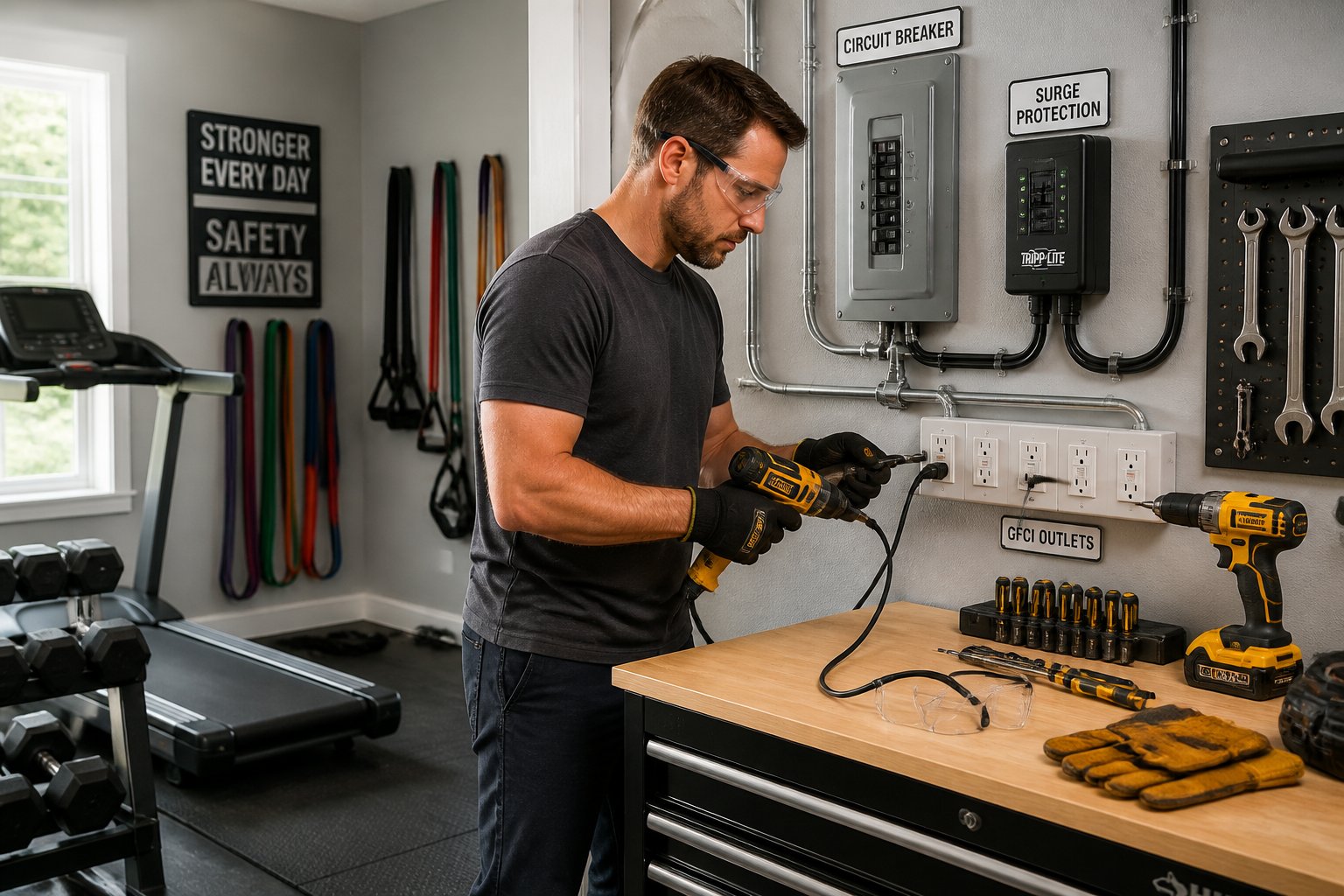
The first step in replacing your main breaker panel is turning off the power safely. Locate your main breaker switch.
This is usually at the top of the panel and controls all electricity in your home. Flip the main breaker to the "off" position.
Before touching any wires, use a voltage tester or multimeter to make sure the power is completely off. Never rely only on the breaker switch.
Always test for live wires. Remove the panel cover carefully, being aware that electricity might still be present in parts of the system.
If you’re unsure about this process, ask a qualified electrician for help. Your safety depends on cutting off power correctly.
Planning for Main Breaker Panel Replacement
When replacing your main breaker panel, think about your home’s power needs, the right size panel to handle those needs, and finding an experienced electrician to do the job safely. Doing this helps you avoid problems later and keeps your home’s electrical system running smoothly.
Assessing Electrical Load Needs
Understand how much power your home uses before you pick a new breaker panel. Look at all the devices, appliances, and systems that run on electricity.
This includes air conditioners, heaters, kitchen appliances, and even future additions you may want. Pay attention to how many circuits you currently have and if you often blow breakers.
This can mean your current panel is too small or old. Calculate your electrical load by totaling the wattage of all your devices.
Many homes today need at least 100 to 200 amps to handle modern power demands. Knowing your load needs helps avoid frequent breaker trips or power shortages after installing the new panel.
Choosing the Right Panel Size
Pick a panel that handles your total electrical load with room for future needs. Panels come in sizes like 100, 150, 200, or 400 amps.
A 200-amp panel is common for most modern homes and allows for additional circuits if you add new appliances later. Smaller panels may not be enough if you have many large appliances.
If your panel is too small, you risk overloads and breaker trips. Too large might mean unnecessary costs.
Make sure the panel is compatible with your home’s wiring and matches local electrical codes. Your electrician can help you select the right size based on your home’s needs.
Selecting a Qualified Electrician
Replacing a main breaker panel involves working with dangerous electrical currents, so hire the right electrician. Look for someone licensed, insured, and experienced in breaker panel upgrades.
Ask for references or read reviews to check their work quality. A good electrician will inspect your system, suggest the right panel, and follow safety rules during installation.
You also want an electrician who can get permits and schedule inspections as needed. This ensures your replacement meets local building and electrical codes.
Main Breaker Panel Replacement Process
Replacing a main breaker panel involves careful steps to keep you safe and ensure your home's electrical system works properly. You’ll need to prepare the site, remove the old panel, and install the new panel correctly.
Each step requires attention to detail and following safety rules.
Preparation and Site Inspection
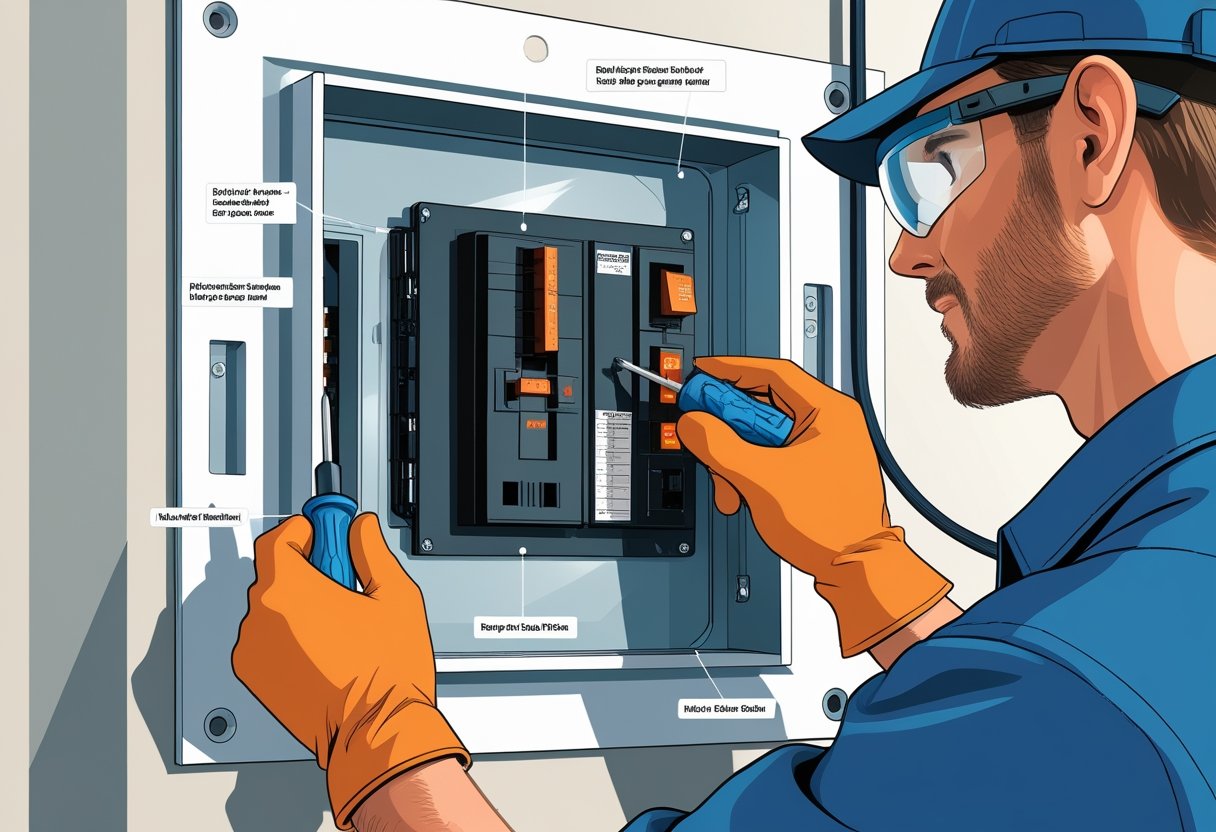
Turn off the main power to your home at the meter or main disconnect. This stops electricity flow and keeps you safe.
Remove the panel cover to check the existing wiring and space for the new panel. Look for damage like burnt wires, corrosion, or signs of overheating.
Measure the panel space to make sure the new panel fits well. Check the amperage rating on your old panel and choose a new one that matches or is higher if you’re upgrading.
Clear the area around the panel for easy access. Make sure you have all tools, like screwdrivers, voltage testers, and wire cutters.
Always use insulated tools to reduce the risk of shock.
Removing the Old Panel
Once the power is off, disconnect each wire attached to the old breaker panel. Label wires so you can reconnect them later without confusion.
Unscrew the panel from the wall and gently pull it away. Watch out for grounding wires; avoid damaging them.
Removing the old panel is delicate—wires can be fragile or stuck. Take your time to avoid pulling or breaking anything.
Dispose of the old panel safely. Follow local rules for recycling electrical parts.
Installing the New Panel
Place the new panel where the old one was. Screw it into the wall studs securely.
Reconnect wires according to your labels. Attach the main breaker to the panel first.
Connect the grounding and neutral wires to their proper bus bars. Next, connect branch circuit wires to their breakers.
Check that all connections are tight, but don’t overtighten. Replace the panel cover and double-check that breakers are off before restoring power.
Turn on the main power and test each breaker to confirm everything is working. If lights flicker or power feels unstable, shut off the system and inspect connections again.
Testing and Final Steps After Replacement
Once your new main breaker panel is in place, make sure everything works correctly and safely. Restore power carefully, organize your circuit labels, and have the panel inspected by a professional.
These steps help keep your home safe and avoid future problems.
Restoring Electrical Service
Before turning the power back on, double-check that all breakers are switched off. This prevents sudden power surges or damage when the main breaker is restored.
Turn on the main breaker slowly. Then, switch on each individual breaker one at a time.
Watch for any unusual sounds, smells, or sparks. If anything seems off, turn off the main breaker immediately and call a licensed electrician.
Use a voltmeter or circuit tester to confirm that electricity flows correctly to each circuit. This helps catch issues like loose connections or faulty breakers before they cause problems.
Circuit Labeling
Clear labels on your new panel save time and keep your home safe. Write simple names for each circuit that match the areas or appliances they control.
Organize your labels in a list or table like this:
Breaker NumberLocation or Appliance 1Kitchen Outlets2Living Room Lights3Furnace4Dishwasher
Use a permanent marker or printed labels designed for breaker panels. Keep this list near the panel for easy reference during emergencies or future work.
Inspection and Approval
After installation, your local electrical inspector must review the work. This check ensures your panel meets safety codes and regulations.
Schedule an inspection quickly to keep your project moving. The inspector checks grounding, wiring, breaker sizing, and installation quality.
Wait for official approval before powering up the full system. This step keeps you, your family, and your home safe from electrical hazards.
Main Breaker Panel Replacement Costs
Replacing your main breaker panel involves several cost factors. These include the price of materials and the labor needed for safe installation.
Knowing what impacts the total cost helps you plan better.
Material and Labor Cost Breakdown
The cost to replace a main breaker panel usually falls between $1,300 and $4,000. The exact price depends on your panel size and the complexity of the work.
Materials include the panel, breakers, wiring, and connectors. Upgrading from a 100-amp panel to a 200-amp panel costs more because of larger breakers and extra wiring.
Labor costs depend on the electrician’s rates and the time needed to remove the old panel and install the new one. On average, labor is about 50% to 70% of the total cost.
If you need more breaker slots or have wiring issues, costs can rise.
Cost-Saving Tips
Compare quotes from different electricians to save money. Prices can vary based on location and company.
Do some prep work, like clearing the area around your panel, to reduce labor time.
Only increase your panel size if your power needs have changed or breakers trip often. Avoid unnecessary upgrades.
Schedule your replacement during regular hours to keep labor costs down. Emergency or after-hours work usually costs more.
Ask your electrician if you can source materials yourself, but make sure they meet safety standards. This can sometimes lower material costs.
Upgrades and Future-Proofing Your Electrical System
When you replace your main breaker panel, consider adding features that improve safety and prepare your home for the future. You can protect your home against power surges, support technologies like solar power or EV chargers, and expand your system for home additions.
Integrating Surge Protection
Surge protection shields your home’s electrical devices from sudden spikes caused by lightning or power outages. Installing a whole-house surge protector during your panel upgrade keeps your wiring and appliances safe.
This device connects directly to your breaker panel and blocks high voltage from entering your system. Surge protection matters most if you have expensive electronics or sensitive equipment.
Preparing for Solar or EV Chargers
If you plan to add solar panels or use an electric vehicle charger, your new breaker panel must handle the extra power safely.
Solar systems often need special breakers and space in your panel. EV chargers require dedicated circuits with enough amperage to charge quickly and safely.
Upgrading your panel to 200 amps or more is common for these setups. This gives you enough room for new equipment without overloading your system.
Talk to your electrician about your future plans to ensure your panel upgrade meets these needs.
Expanding for Home Additions
Building a room or finishing a basement adds more lights, outlets, and appliances. Your main panel needs enough capacity to support the extra power demand.
When upgrading, choose a panel with additional slots for new circuits. This lets you add breakers as your home grows.
A larger panel with a higher amp rating, like 200 amps instead of 100 amps, helps avoid overloads and frequent breaker trips.
Common Mistakes to Avoid During Replacement
Replacing your main breaker panel comes with risks that can affect safety or efficiency. Paying attention to these points helps you avoid costly problems and keeps your home's electrical system running smoothly.
Improper Panel Sizing
Choosing the wrong panel size is a common mistake. A panel that's too small can become overloaded, causing frequent breaker trips and safety hazards.
Calculate your home's total electrical load, including all appliances, lighting, and future additions like an EV charger. A panel that matches your current and near-future needs works best.
If you're unsure, ask a professional to help you choose the right size.
Incorrect Grounding
Grounding is vital for safety during and after your panel replacement. If you don't ground the panel correctly, you risk electric shocks or fire.
Connect the grounding wire to a proper ground source, like a grounding rod or water pipe, as your local code requires. Avoid using old or damaged grounding parts, and double-check connections before finishing.
Overloading Circuits
Avoid plugging everything into one circuit when you upgrade your panel. Overloading circuits can cause breakers to trip often and may damage your electrical system.
Distribute power evenly across circuits. High-power devices like air conditioners or EV chargers need dedicated circuits.
Knowing the power draw of each device helps keep things balanced and safe.
Maintaining Your New Main Breaker Panel
Taking care of your new main breaker panel keeps your electrical system safe and reliable. Check for damage, keep the area clear, and have a pro inspect it regularly.
Routine Inspection
Check your breaker panel every few months. Look for signs like burn marks, rust, or unusual warmth around the breakers.
Listen for buzzing or humming sounds. These noises can mean the breakers are under stress or starting to fail.
If you notice flickering lights or breakers that trip often, inspect your panel right away.
Clearing Obstructions
Keep the area around your breaker panel free from clutter and moisture. Leave at least 3 feet of clear space in front of the panel for easy access.
Don't store boxes, tools, or flammable materials nearby. These can block airflow or become fire hazards.
Make sure the panel cover is secure but easy to remove. This protects the breakers from dust and damage while allowing quick access in an emergency.
Scheduling Professional Check-Ups
Have a licensed electrician inspect your panel every few years.
A professional can test the breakers, tighten connections, and spot hidden issues. They also make sure everything meets current safety codes.
Regular check-ups keep your panel running safely and can catch problems before they cause outages or damage.
Frequently Asked Questions
Replacing your main breaker panel involves costs, safety steps, and technical details. You also need to know if your panel needs replacing and how to handle upgrades, especially when moving to a 200-amp system or installing outside.
How much does it typically cost to replace a main breaker switch?
Replacing a main breaker switch usually costs between $100 and $375. The price depends on your location, labor fees, and the materials needed.
Is it possible to change my home's main breaker without turning off the power?
No. You must turn off the main power before replacing the main breaker. Working on a live panel can cause electrical shock or injury.
What are the steps involved in upgrading my electrical panel box to 200 amps?
First, turn off the main power supply. Remove the panel cover and disconnect the existing breakers.
Install the new 200-amp panel, connect the wires, and secure everything. Follow local codes and consider hiring a professional electrician for this upgrade.
Can I replace a 100 amp main breaker with a higher-rated one?
You can, but only if the electrical panel and wiring can handle the higher load. Swapping a breaker without upgrading the panel or wiring is unsafe and could cause fires.
What should I consider when installing an electrical panel box outside?
Use a weatherproof panel rated for outdoor use. Install it where it’s accessible but protected from damage.
Ensure proper grounding and keep clearance around the panel.
How do I determine if my circuit breaker panel needs replacement?
Look for frequent breaker trips, buzzing sounds, or burning smells. Discolored outlets can also signal a problem.
If your panel is old, consider replacing it. You should also replace it if it can't handle your home’s power needs.