Heat waves really test your home’s electrical system. When it gets hot out, your air conditioner, fans, and other appliances have to work overtime, which can lead to power surges, breaker trips, or even full-blown outages. If you want to boost your home’s electrical reliability during heat waves, you’ll need to take a few steps to protect your system from overloads and sudden failures.
Simple fixes like upgrading your electrical panel, adding a whole-house surge protector, and keeping your wiring up to date can make a noticeable difference. At AAA Electrical Services, we put safety first with licensed pros who help families in Sacramento and nearby areas stay cool and safe when the heat is relentless.
You should expect same-day service from a team that treats your home with respect, offers transparent pricing, and arrives with vans stocked for quick repairs. Making sure your electrical system can handle summer’s worst gives you some peace of mind, knowing your family’s safety is covered.
Understanding Heat Wave Impacts on Home Electrical Systems
During heat waves, electricity demand spikes, putting pressure on both the power grid and your home’s wiring. If your system isn’t ready, you might run into overloads and safety risks. Spotting trouble early helps you protect your place and everyone in it.
Why Heat Waves Strain Electrical Grids
When it’s blazing hot, just about everyone cranks up air conditioners, fans, and other cooling gadgets. This surge in energy use strains the grid that powers your home. Sometimes the grid can’t keep up, leading to outages or weird voltage swings.
Transformers and power lines can overheat under this stress, too. These situations make power surges or brownouts more likely, which can mess with your home’s circuit breaker and wiring. Sacramento summers are no joke, so these risks just keep growing.
Common Electrical Problems During Extreme Heat
Heat does a number on your electrical system. Plastic in wiring and outlets can soften or even melt if things get too hot. Circuit breakers might trip more often because they’re working overtime to protect overloaded circuits.
You might see flickering lights or notice your devices lagging. Overworked panels wear out sooner, which can mean breakdowns. Upgrading your panel and breakers helps your home handle those peak loads and keeps these headaches to a minimum.
AAA Electrical Services handles panel upgrades and breaker repairs with your family’s safety in mind. Their “warehouse on wheels” vans mean they can usually fix things fast when you need it most.
Recognizing Warning Signs of Electrical Overload
Keep an eye out for warning signs to avoid bigger problems. Look for frequent breaker trips, warm or discolored outlets, buzzing switches, or any burning smells around electrical stuff.
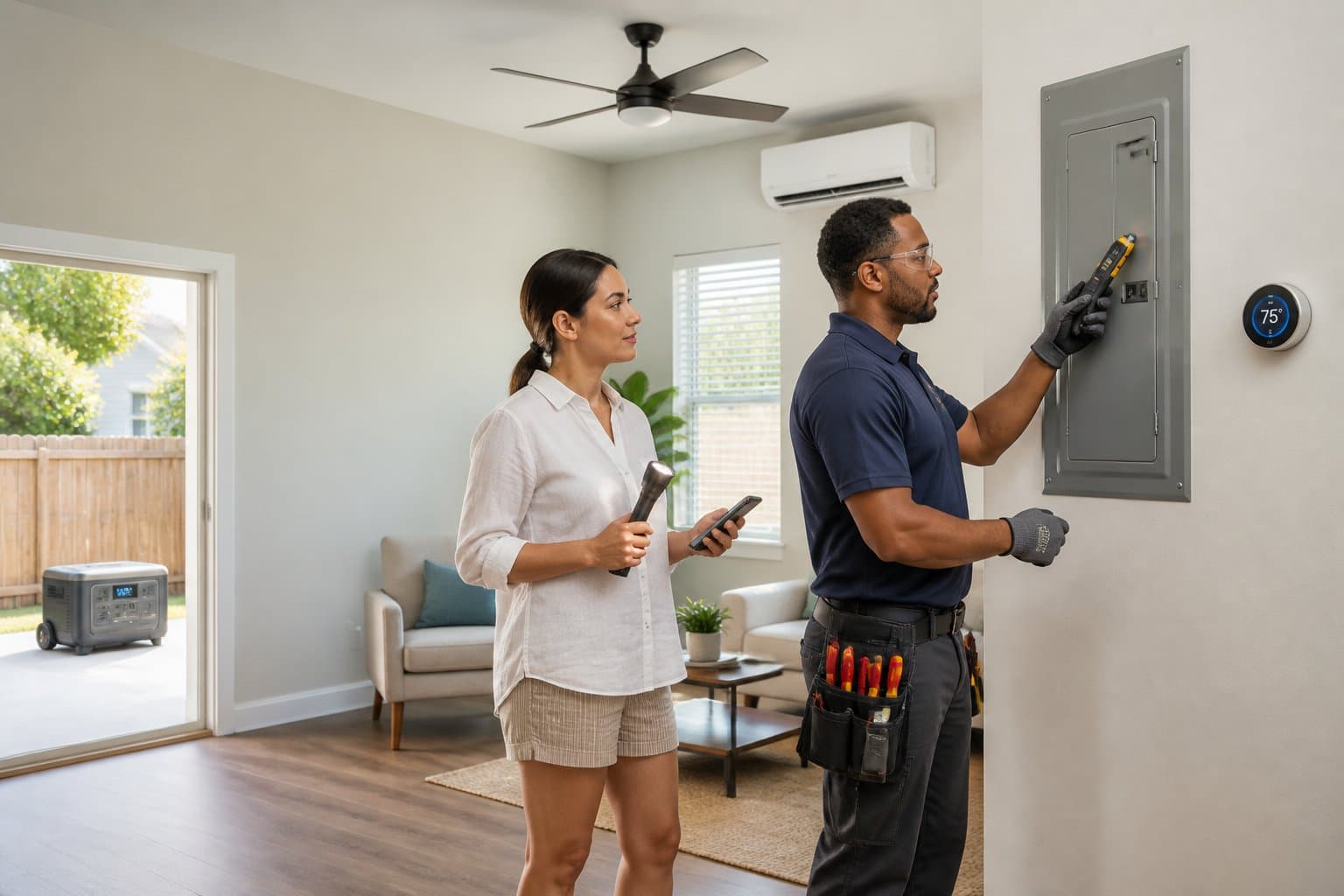
If your AC or other big appliances start acting up during a heat wave, your system might be overloaded. A licensed electrician can check things out, spot issues early, and suggest fixes like surge protection or a panel upgrade.
Staying ahead of problems saves you from emergency calls and helps keep your home safe when the heat is on.
Strengthening Your Home’s Electrical Infrastructure
A stronger electrical system means fewer outages and steadier power when it’s sweltering outside. You’ll be able to run more devices safely, without tripping breakers or risking damage. Focus on upgrading key parts and shielding your wiring from surges.
Upgrading Circuit Breakers and Panels
Your breaker panel directs electricity throughout your home. Old panels often can’t keep up with modern demands from ACs, fans, and other cooling gear during a heat wave. Upgrading to a newer panel gives you extra slots for breakers and better protection against overloads.
Modern breakers react quickly to trouble, lowering the risk of outages or fires. If your breaker trips a lot or your panel is over 40 years old, it could be time for an upgrade. Besides safety, it can even bump up your home’s value.
AAA Electrical Services’ licensed electricians can check your panel’s capacity and handle upgrades with care. They’ll make sure everything meets code and works right, so you’re set when summer’s at its worst.
Ensuring Proper Electrical Wiring
Outdated or worn wiring can cause flickering lights, hot outlets, and tripped breakers. That’s a sign your system isn’t ready for heavy summer use. Checking your wiring lets you catch risks before they cause any real trouble.
Good wiring meets today’s safety standards and balances loads across circuits, which means less overheating and a system that can handle lots of appliances at once.
If you see flickering lights, smell something burning, or notice warm outlets, get a pro to inspect your wiring. Fixing these problems boosts reliability and keeps your family safe from electrical hazards.
Installing Whole-House Surge Protectors
Power surges can hit during storms or when the grid struggles in a heat wave. Surges can fry expensive electronics, AC units, and smart home gear.
A whole-house surge protector sits at your electrical panel, blocking those spikes before they hit your circuits. It shields everything in your home, not just a few devices.
Adding surge protection is a smart move to cut down on downtime and expensive repairs during peak summer. AAA Electrical Services can install these fast, often the same day, with clear pricing. That extra layer of safety helps your system stay reliable when you need it most.
Improving Cooling and Load Management
Managing how your home uses electricity during a heat wave keeps your cooling running when you need it. You can control when devices run, balance power, and focus on what matters. These steps ease the strain on your system and improve your comfort.
Utilizing Smart Thermostats and Timers
Smart thermostats let you schedule cooling based on your day. Maybe you bump up the temp while you’re out and cool things down before you get home. No need to run the AC all day if nobody’s there.
Timers can limit when heavy appliances run, too. Running stuff like pool pumps or laundry machines during off-peak hours takes pressure off your panel. That way, you’re less likely to trip breakers during the hottest hours.
A lot of smart systems learn your habits and tweak settings over time. You’ll save energy, keep bills down, and still have a cool house when it counts.
Distributing Electrical Loads Efficiently
Balancing your circuits prevents overloads and surprise outages. Try not to run a bunch of high-powered stuff on the same circuit. Spread out things like ACs, EV chargers, and kitchen appliances.
Upgrading your panel can give you the capacity to run more at once, safely. AAA Electrical Services does panel upgrades with your family’s safety in mind, so you can keep cooling and tech running together.
Labeling circuits and keeping track of what’s plugged in where makes it easier to avoid overloads. Regular checkups help make sure your wiring can handle the heat.
Prioritizing Critical Appliances
Knowing what’s most important during a heat wave keeps your home safe and comfortable. Focus on the AC, fridge, and any medical devices that need power.
If electricity is limited, turn off things you don’t need—extra lights, non-essential electronics, whatever you can spare. A generator or backup system can keep the essentials running if the main supply falters.
AAA Electrical Services can help with generator installation and maintenance in Sacramento and nearby areas. Their licensed team will make sure your critical appliances stay powered, so you can worry less on those brutal days.
Backup Solutions and Alternative Power Sources
Keeping your power steady during heat waves means having solid backup options. These solutions help you dodge outages and protect the stuff you really can’t lose. Here’s how to pick the right backup generator, add solar with battery storage, and keep your uninterruptible power supplies in good shape.
Choosing the Right Backup Generator
A backup generator keeps your house running when the grid goes down, especially during high-demand heat waves. You’ve got options: whole-house generators or smaller ones for just the basics.
Whole-house units run on propane or natural gas and power everything—AC, fridge, the works. Smaller portable generators usually run on gas and are best for essentials like fans or medical gear.
Pick a generator that matches your home’s needs. Make sure you get it professionally installed to stay safe and legal. AAA Electrical Services handles installation with upfront pricing, so your family’s power stays steady when you need it.
Integrating Solar Panels with Battery Storage
Pairing solar panels with battery storage gives you clean energy and backup power when the grid is down or the sun’s gone. During heat waves, solar can help take some pressure off the grid and keep your home running.
Batteries save up extra energy for outages or nighttime use. This setup cuts your utility reliance and helps lower bills. Installing solar and batteries takes planning—matching your home’s usage and available roof space is key.
With regular maintenance and a good setup, solar adds protection and a little energy independence. AAA Electrical Services can help with solar panel maintenance, so your system stays safe and efficient.
Maintaining Uninterruptible Power Supplies (UPS)
Uninterruptible Power Supplies (UPS) give backup juice to smaller electronics during quick outages. They’re a lifesaver for computers, medical equipment, and communication devices—especially when outages pop up during heat waves.
UPS units kick in instantly and let you shut down sensitive gear safely. Regular tests and battery swaps keep them ready to go. Keep your UPS hooked up to key electronics in a cool, dry spot for best results.
UPS devices work well with other backup solutions. They help protect your tech and give you a little breathing room when the power goes out.
Routine Maintenance and Professional Inspections
Keeping your home’s electrical system in good shape takes regular attention and expert eyes. Staying on top of system checks, cleaning your AC, and working with licensed electricians all help prevent outages and keep your power steady through the hottest days.
Scheduling Regular Electrical System Checks
Get your home’s electrical system inspected every 3 to 5 years—or more if your house is older. These inspections cover breakers, wiring, outlets, and connections. Catching little issues early can stop big headaches like shorts or fires.
During an inspection, the electrician will test breakers and look for wear that could cause outages or hazards. This helps your system stay stable when ACs and fans are running nonstop. Booking inspections before summer can save you from scrambling for emergency repairs later.
Cleaning and Servicing Air Conditioning Units
Your AC eats up a lot of electricity, especially in a heat wave. Keeping it clean and serviced takes some strain off your electrical system. Dust and dirt make the AC work harder, which means more power use and more wear.
Regular service means cleaning filters, coils, and fans to keep air flowing and things efficient. This lowers the odds of electrical problems like blown fuses or tripped breakers. Check for exposed wiring or loose connections near the unit, too—heat and debris make things riskier.
Partnering with Licensed Electricians
Hiring licensed electricians means you get safe, reliable work. Someone from AAA Electrical Services in Sacramento can spot hidden issues you might miss. With decades of experience, their techs show up ready for just about anything—often fixing problems the same day.
Trusted pros can recommend upgrades or maintenance that keep your system reliable during heat waves. Honest pricing and straightforward advice help you make smart decisions for your family’s safety. Regular check-ins from experts make sure your wiring and panels can handle summer’s toughest demands.
Frequently Asked Questions
You can keep your home’s electrical system steady and safe when it’s hot by managing AC use, boosting energy efficiency, and keeping appliances well-maintained. Regular checks and smart devices help cut the risk of overloads and failures.
How can I prevent my air conditioner from overloading the circuit during hot weather?
Put your air conditioner on a dedicated circuit to avoid overloads. Turn off other heavy appliances while the AC’s running. If your breaker trips often, have AAA Electrical Services install a separate circuit or upgrade your panel.
What are some energy-efficient cooling methods to reduce electrical demand in my home?
Try using ceiling fans or exhaust fans—they cool rooms without gobbling up as much electricity as ACs. I usually keep blinds or curtains closed when the sun's beating down. And honestly, just keeping your AC unit clean and tuned up goes a long way for efficiency.
Which home improvements can lead to better electrical efficiency in extreme temperatures?
If you upgrade your electrical panel and add surge protection, you’ll lower the risk of issues during those wild heat spikes. Swapping out old bulbs for LEDs and choosing energy-efficient outlets can make a real dent in your power use. Good insulation and sealing? That’s a game changer for keeping cool air in—sometimes it’s the basics that work best.
How often should I have my electrical system checked to ensure it's heat-wave ready?
Generally, getting a pro to inspect your system every 3 to 5 years is a good idea. If your place is older, or you’ve noticed flickering lights or breakers tripping, don’t wait—get it checked sooner. AAA Electrical Services can do a thorough inspection, and sometimes they even offer same-day appointments.
What are the best practices for maintaining appliances to avoid electrical issues during a heat wave?
Give your air conditioners and fans a regular cleaning and service. I never plug too many things into one outlet—just the essentials. If you spot a frayed or worn-out cord, replace it right away. No need to take chances with shorts or fires.
Are there smart home devices that can help manage electricity usage when it's really hot outside?
Yeah, there are some clever gadgets out there for this. Smart thermostats, for example, tweak your cooling based on when you're actually home—no more chilling an empty house. Whole-house surge protectors? They keep your system safe from those annoying power spikes that always seem to hit during summer storms. And if you like to keep an eye on things, smart plugs and energy monitors let you see exactly where your power's going, so you can cut back without guessing.