Arc faults are one of those sneaky electrical hazards most folks don’t think about—but they can seriously threaten your home and family. An arc fault pops up when electricity jumps a gap between wires or connections, sparking in a way that might start a fire if left unchecked. Understanding what arc faults do and making sure your home has the right breakers is a big part of keeping everyone safe.
Ever had a circuit breaker trip out of nowhere? That could be your arc fault breaker stepping in to prevent trouble. At AAA Electrical Services, we’ve spent over 40 years helping Sacramento-area homeowners get a handle on these safety devices. We offer same-day service and flat-rate pricing, so you can take care of electrical safety without any nasty surprises.
Getting arc fault circuit interrupters (AFCIs) installed or fixed isn’t just about following codes—it’s about peace of mind. You deserve real-deal, safety-first work from licensed professionals who actually care about your house. Whether it’s a panel upgrade or a circuit breaker fix, we’re here to give you clear, honest help so you can relax.
What Are Arc Faults?
Arc faults happen when electricity jumps across a gap or through a damaged wire. That jump creates sparks, and those sparks can get hot enough to start a fire if nothing stops them. If you know what causes arc faults and how they differ from other electrical problems, you’re already ahead of the game.
Types of Arc Faults
There are two main types to keep in mind: series arc faults and parallel arc faults.
- Series arc faults show up when a wire’s broken or loose, so the electricity jumps along a single wire. Think damaged cords or shoddy connections.
- Parallel arc faults happen when electricity jumps between two wires—like when a hot wire and a neutral wire touch.
Both types can make serious heat and sparks, just in different ways. Modern safety devices like AFCIs are built to sniff these faults out and shut things down before a fire can start. If you know the difference, it’s easier to talk with your electrician and spot issues before they get out of hand.
Common Causes of Arc Faults
Most arc faults trace back to damaged or worn-out wiring. Here’s what to watch for:
- Frayed or cracked wires—these just happen with age or from being squished or bent.
- Loose connections in outlets, switches, or even inside appliances.
- Chewed wires—yep, rodents love to gnaw.
- Damaged cords on tools or electronics you use all the time.
High-traffic areas in your home see more wear and tear, so little arcs can start there. Outdated electrical panels or outlets that don’t meet current codes also make things riskier. Getting regular inspections from a team like AAA Electrical Services can help you catch these problems before they turn serious.
Differences Between Arc Faults and Short Circuits
Arc faults and short circuits both spell trouble, but they’re not the same beast.
FeatureArc FaultShort Circuit How it happensElectricity jumps across a gapDirect connection between wiresCauseDamaged or loose wiringHot wire touches neutral or groundResultSparks that may cause firesSudden surge, often trips breaker immediatelyDetectionRequires special AFCIsDetected by standard breakers
Arc faults produce those small, repeating sparks that slowly heat up wires—bad news for fire risk. Short circuits, on the other hand, cause a big spark and trip the breaker fast. If you’re wondering why some breakers trip out of the blue, arc fault breakers might be the reason—and they’re crucial for keeping homes safe.
Recognizing the Signs of Arc Faults
Arc faults don’t always announce themselves, but there are some telltale signs. Maybe you’ve noticed flickering lights, strange buzzing, or a weird smell. Don’t shrug these off—ignoring them could mean bigger problems for your home’s wiring and your family’s safety.
Visual Indicators in the Home
Lights flickering or dimming without any clear reason? That’s sometimes a sign, especially near outlets or switches where wires might be damaged.
If you spot burn marks or discoloration on outlets, switches, or your electrical panel, that’s a big red flag. Those marks usually mean heat’s building up from bad wiring.
And if your circuit breaker trips a lot for no obvious reason, don’t just keep resetting it. Repeated tripping could mean an arc fault is at work.
Sounds and Odors Associated With Arc Faults
Buzzing or crackling sounds near outlets or the panel? That’s not normal. Sometimes it’s subtle, sometimes it’s loud, but either way, it’s not something to ignore.
A faint burning or metallic smell can also be a warning sign—overheating wires might be to blame. If you notice that kind of odor, something’s definitely off behind the walls.
If you hear or smell anything odd, stop using the affected outlets and call a licensed pro.
Potential Hazards From Ignoring Arc Faults
Letting arc faults slide just ups your risk of an electrical fire. Faulty wiring can get hot enough to set nearby insulation or wood on fire.
Arc faults can also wreck your home’s wiring, leading to expensive repairs and electrical headaches.
If you catch arc faults early, you avoid bigger disasters. AAA Electrical Services rolls out same-day, fully stocked vans for fast repairs. If you notice any warning signs, don’t wait—get help before things get worse.
Importance of Arc Fault Circuit Interrupters (AFCIs)
Arc faults lurk in your home’s wiring, waiting for the right moment to cause chaos. They show up when electricity jumps between wires or contacts, throwing sparks that can start a fire. Having the right protection in place—namely AFCIs—keeps those risks from spiraling out of control.
How AFCIs Work
AFCIs keep a close eye on your electrical circuits, looking for weird electrical activity that signals an arc fault. Even tiny arcs that you’d never notice, AFCIs can spot in a flash. When they detect trouble, they cut power right away to stop sparks before they catch anything on fire.
Regular breakers only trip for overloads or short circuits. AFCIs are tuned to catch arc faults specifically, giving your home an extra layer of safety—especially against fires from damaged wires, loose connections, or old appliances.
Locations Where AFCIs Are Required
Building codes now say you need AFCIs in a bunch of living spaces—bedrooms, family rooms, dining rooms, and anywhere you spend a lot of time. The idea is to protect spots where fires could start quietly and spread fast.
Kitchens, laundry rooms, and bathrooms usually require GFCIs instead, but AFCIs belong in those main living areas. If your house was built before these rules, it’s worth upgrading your panel with AFCIs. AAA Electrical Services can handle installations and make sure your system lines up with local codes.
Benefits of Installing AFCIs
AFCIs bring peace of mind. They cut down on the risk of electrical fires from hidden wiring issues or worn-out cords, protecting your family and your home.
Insurance companies sometimes look favorably on homes with AFCIs, since it shows you’re keeping up with safety. Plus, AFCIs are designed to trip only when there’s real danger, so you won’t get the constant nuisance trips you might remember from old breakers.
With AAA Electrical Services, you get licensed pros who can install AFCIs quickly—their vans are stocked, and they’re all about same-day service. Their focus on family safety means your system gets fixed up right, with no runaround.
Steps Homeowners Can Take for Arc Fault Safety
Keeping your home’s wiring safe isn’t just a one-and-done thing. It’s about checking on your wiring, knowing when to call in the pros, and updating old systems before they cause trouble. Here’s what you can actually do:
Inspecting and Maintaining Electrical Wiring
Take a look at your wiring now and then. Frayed wires, loose connections, or scorch marks near outlets and switches? Those are warning signs.
Always turn off the power before poking around. If you see flickering lights, hear buzzing, or deal with breakers tripping a lot, don’t ignore it.
Unless you know your way around electrical work, skip the DIY fixes. Bad repairs can make things worse. Keeping wires clean and dry helps, too.
When to Call a Licensed Electrician
If you spot melted outlet covers, see sparks, or smell burning near electrical stuff, call a licensed electrician—don’t mess around. Those are signs of arc faults or other serious issues.
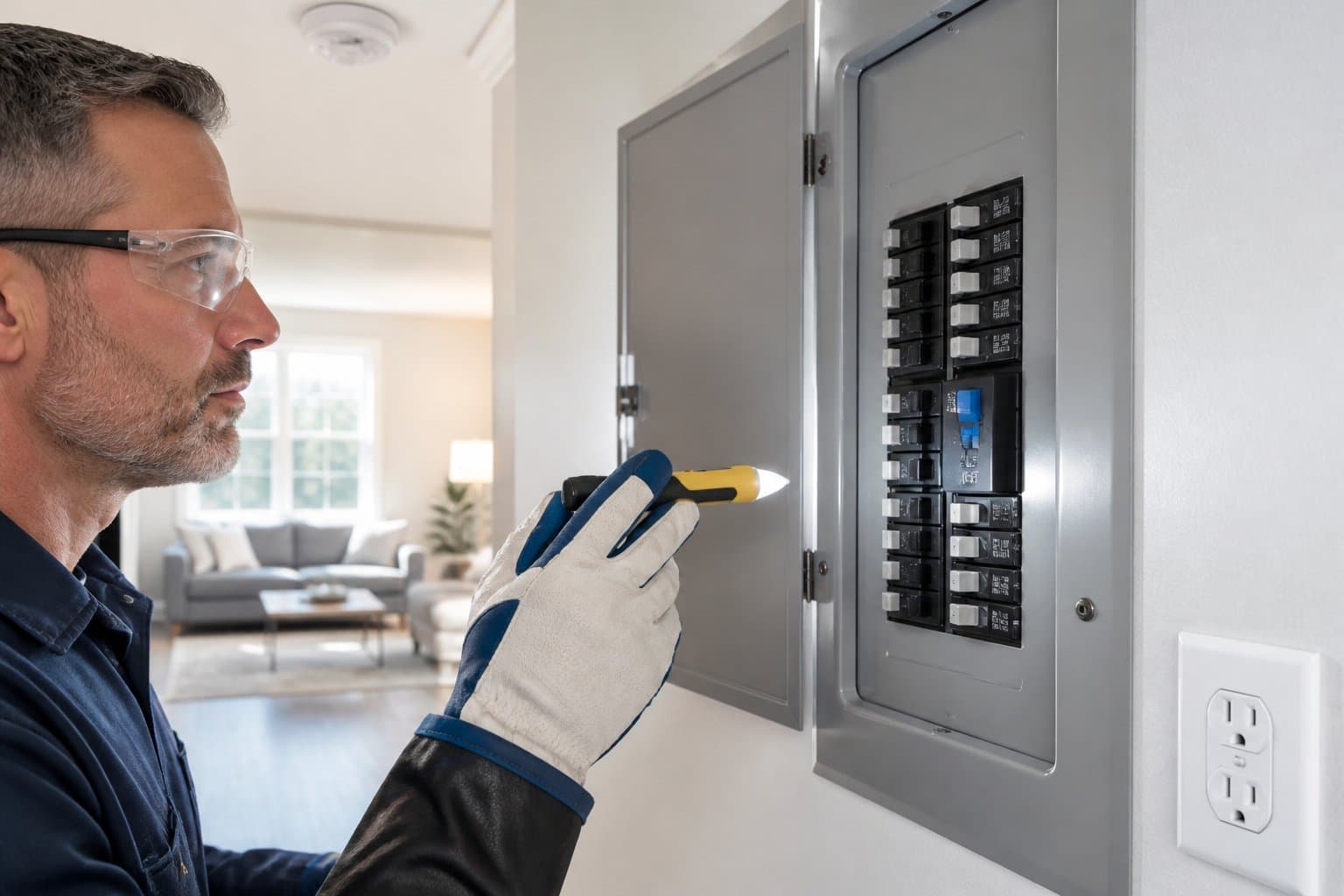
Pros have the tools and know-how to track down arc faults safely. They can also test your breaker panel and set up AFCIs to catch problems before they get dangerous.
AAA Electrical Services sends certified techs with stocked vans for same-day fixes around Sacramento. No surprise fees, just straightforward repairs.
Upgrading Older Electrical Systems
Older homes often miss out on modern safety gear like AFCI breakers. Upgrading your panel and wiring can make a big difference.
Swapping out old wiring, outlets, and breakers for modern parts boosts safety. If your home’s over 15 years old, this is even more important, since codes have changed.
Have an electrician check your system for needed upgrades. AAA Electrical Services offers flat-rate pricing for panel upgrades in Sacramento and nearby towns, so you know what you’re paying up front.
Arc Fault Prevention Tips
Staying ahead of arc faults means taking simple steps before problems start. Use appliances the right way, keep outlets and cords in good shape, and think about safety—especially if you’ve got kids around.
Safe Practices for Electrical Appliances
Check appliances for damage before plugging them in. Frayed cords or loose plugs can spark and start arc faults. Don’t run cords under rugs or furniture—wires wear out faster that way.
Don’t overload outlets. Every outlet has a limit, and pushing it risks overheating. In wet areas like kitchens or bathrooms, make sure you’re using GFCI outlets.
Unplug small appliances when you’re done. It cuts down on accidental faults and saves a bit on your bill. If you’re seeing flickering lights or breakers tripping a lot, call someone like AAA Electrical Services. Their Sacramento techs show up same-day with all the parts they need.
Childproofing Outlets and Cords
Kids get curious, and outlets or cords can be tempting. Start by adding outlet covers or tamper-resistant receptacles to keep little fingers safe.
Hide cords out of reach or behind furniture. Use clips or covers to secure any loose ones, especially in play areas. Don’t use extension cords as permanent fixes—they wear out quickly and can add fire risk.
Teach your kids about electrical safety—it’s worth it. If you want an expert opinion, AAA Electrical Services can check your home and recommend upgrades for safer outlets and wiring.
Frequently Asked Questions
Getting a grip on arc faults and the breakers that stop them can help you avoid electrical fires. Here are a couple of common questions:
How do arc fault circuit interrupters (AFCIs) improve home safety?
AFCIs spot weird arcs that could cause fires and shut off power fast, cutting down your fire risk.
What are the common causes of arc faults in a household setting?
Arc faults usually come from damaged wiring, loose connections, or worn-out devices—these create sparks, and AFCIs are built to catch them.
Can homeowners install arc fault breakers themselves, or should they hire an electrician?
Honestly, it's smarter to let a licensed electrician handle AFCI installations. They know the codes, and you'll avoid a lot of headaches—not to mention, it's just safer.
What are the signs that an arc fault breaker has been tripped?
You might notice the breaker keeps tripping, or suddenly a section of your house loses power. Sometimes lights flicker, or an outlet just stops working for no clear reason. It's not always obvious, but it's usually one of those things.
How does the AFCI 6 foot rule impact electrical safety in my home?
The 6 foot rule says you should put AFCIs on circuits that power outlets within six feet of beds or certain spots. It's meant to add a layer of protection where people hang out the most. Makes sense, right?
As of 2025, where is it mandatory to have arc-fault breakers installed?
Most new homes and major renovations need AFCI breakers in bedrooms, living spaces, kitchens, and laundry rooms. Local codes can be quirky, so it's smart to check with AAA Electrical Services to make sure you're up to date.
AAA Electrical Services handles AFCI installations quickly and offers upfront pricing. If you're around Sacramento or nearby, they'll help keep your home safe without a hassle.