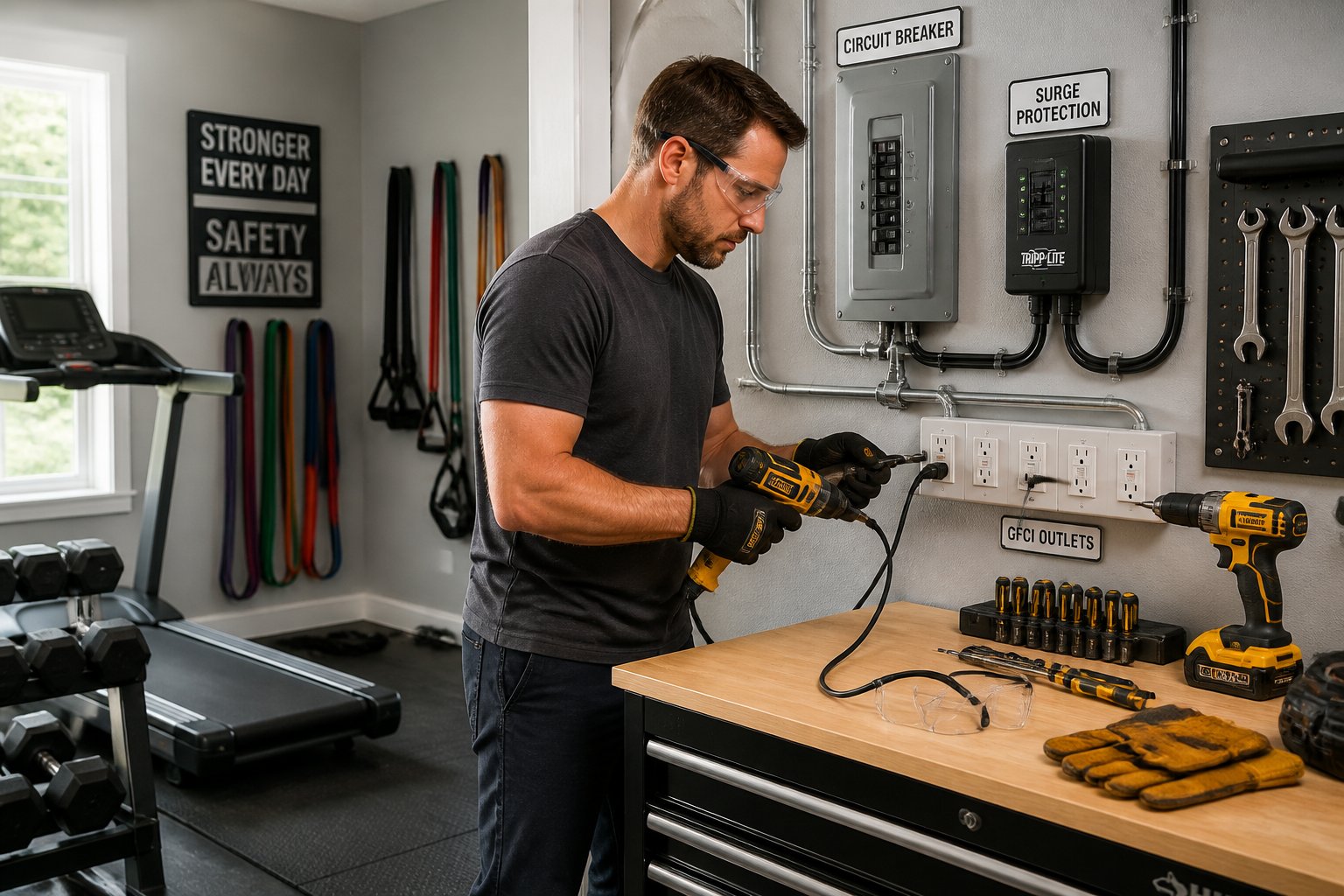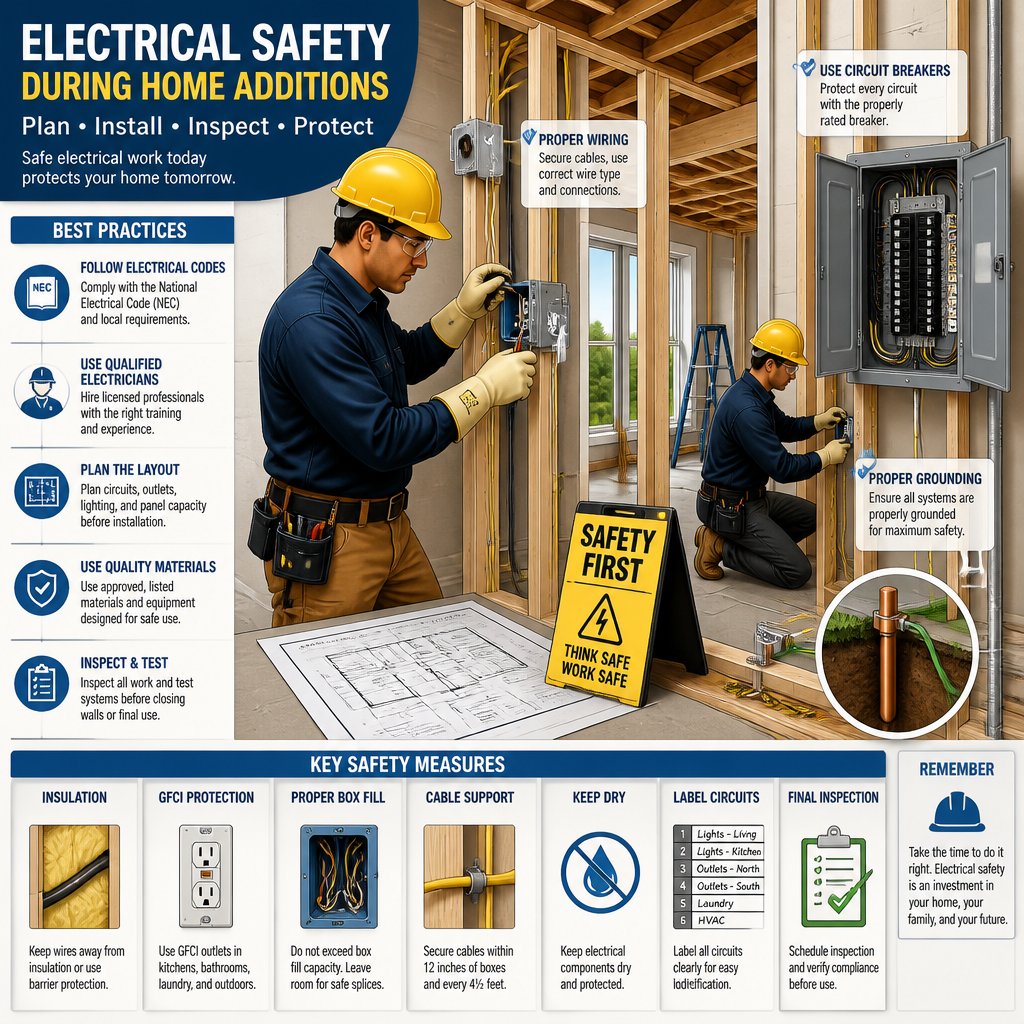
When you’re planning a home addition, your electrical system needs to keep up with all the new lights, outlets, appliances, and comfort features you want. The safest move? Check your system’s capacity early, update any sketchy wiring before you close up the walls, and don’t skip the local code requirements. The best ways to maintain electrical safety during home additions are to plan for load, add the right protection, and have a licensed electrician verify every stage of the work.
This stuff matters no matter where you are—expanding in Sacramento, finishing a room in Roseville, or adding outdoor space in Elk Grove or Folsom. If you plan things carefully, you’ll avoid overloaded circuits, annoying breaker trips, hidden wiring headaches, and those last-minute delays once the drywall goes up.
If you want things to work well for years, now’s the time to think past just this project. Proper panel sizing, dedicated circuits, solid grounding, and up-to-date protection devices all help keep your new space running safely and reliably.
Key Takeaways
- Check capacity before adding new loads.
- Upgrade protection before closing up walls.
- Use code-compliant work for lasting peace of mind.
Check Your Home’s Electrical Capacity First
Adding onto your home isn’t just about more square footage—it’s a real jump in electrical demand. Before you pick out fixtures or appliances, figure out how much space you’ve got left on your panel and if your setup can actually handle what’s coming.
Why Load Calculation Matters Before New Work Begins
A proper load calculation tells you if your panel can take on the extra demand, especially for bedrooms, offices, kitchen expansions, or ADU-style projects. Skipping this step? You’re asking for overloaded circuits, breaker trips, and the kind of overloading circuits that wear things out over time.
It’s also a must if your renovation includes EV charging, a beefier HVAC, or lots of new lighting. In Sacramento-area homes, planning for load up front can mean the difference between a smooth project and a costly redo later.
Signs Your Existing Panel Cannot Support Added Demand
If you’re getting frequent breaker trips, that’s a big red flag your panel’s maxed out. Warm breaker covers, flickering lights, buzzing sounds, or barely any spare breaker space? Those are all signs you might be pushing your luck.
Relying on power strips, extension cords, or sharing circuits for big appliances is another warning sign. If that’s happening, you should really stop and call a licensed electrician before moving forward.
When Panel Upgrades Or Subpanel Installation Make Sense
Panel upgrades are worth it when your service is outdated, overloaded, or just not built for modern needs. Sometimes a subpanel installation makes more sense—say you’re adding a garage suite, workshop, or a big addition that needs its own organized distribution point.
AAA Electrical Services helps folks weigh a full upgrade versus a subpanel based on actual load and the project layout. For a lot of renovations, it’s the cleanest way to boost safety and future reliability at once.
How Dedicated Circuits Prevent Future Overloads
Dedicated circuits keep high-demand stuff—microwaves, fridges, laundry machines, EV chargers, home office gear—off the same lines as lights and general outlets. That way, you’re not setting yourself up for overloads or making troubleshooting a nightmare later.
When each big load gets its own circuit, your addition’s electrical foundation is just more solid. Fewer repairs, fewer breaker trips, less frustration.
Build In Safety Protection From The Start
Protection devices work best when you plan for them from the beginning, not as a last-minute fix. The right mix of GFCI, AFCI, grounding, and surge protection can lower risk before anyone even uses the new space.
Where GFCI Protection Is Most Important
GFCI protection is a must wherever water and electricity might mix—bathrooms, kitchens, laundry rooms, garages, unfinished basements, outside outlets, and outdoor living areas. GFCI outlets or breakers cut power fast if there’s a shock risk.
This is especially key for Sacramento homes with additions like patios, wet bars, or utility areas. If you’re putting outlets near sinks, hose bibs, or exterior doors, make GFCI part of the plan from the get-go.
How AFCI Protection Helps Reduce Fire Risk
AFCI devices catch arc faults—dangerous conditions that happen with damaged, loose, or badly installed wiring. An arc-fault circuit interrupter helps cut fire risk in bedrooms, living rooms, hallways, and anywhere hidden wiring issues could lurk.
In home additions, where new wiring often connects to old, AFCI protection adds a critical safety layer you really don’t want to skip.
Why Grounding And Bonding Cannot Be Overlooked
Grounding and bonding give fault current a safe path so breakers and other devices can actually do their job. If this part’s weak or incomplete, even good wiring might not protect you during a fault.
That’s why grounding and bonding should always be checked when you expand. A licensed electrician can make sure everything is tied together right and keeps your addition protected.
When Whole-Home Surge Protection Is Worth Adding
Whole-home surge protection is a smart add-on if you’re including sensitive electronics, smart home gear, new appliances, or a home office. It also shields the rest of your house from utility spikes or heavy equipment starting up.
If you’re already upgrading the panel or adding new circuits, now’s the time to add surge protection. It’s an extra layer of defense for your investment and helps keep the whole system reliable.
Address Existing Wiring Problems Before Walls Close Up
Home additions are the perfect time to fix hidden wiring problems while the walls are open and access is easy. Catching issues now saves you from expensive repairs, code headaches, or safety problems after everything’s finished.
How To Spot Old Wiring And Faulty Wiring Risks
Old wiring usually shows brittle insulation, outdated materials, loose connections, or even scorch marks. Faulty wiring can mean dead outlets, dimming lights, weird smells, or breakers that keep tripping for no clear reason.
In older homes, the odds of hidden electrical hazards go up, especially during renovations. A careful inspection before you move ahead can help you decide if you need repairs or selective replacement.
Why Exposed Wiring And Short Circuits Need Immediate Attention
Exposed wiring is a direct shock and fire risk—never leave it open during construction. Short circuits are just as bad; they can fry equipment, trip breakers, and heat up fast enough to start a fire.
If you find either issue, stop and fix it before you close anything up. Quick, proper repairs keep your addition safe and help avoid bigger headaches later.
Proper Wiring Choices For Modern Fixtures And Devices
Modern fixtures—think recessed lighting, ceiling fans, dimmers, smart switches, chargers—often need more than what old wiring can deliver. The wiring should match the load, device, and space.
This is extra important if your addition includes outdoor lighting or a new office or media room. Getting it right from the start makes things easier to maintain and less likely to cause trouble down the line.
Follow Code And Permit Requirements The Right Way
Code compliance protects your family, your home value, and keeps your project on track. It also cuts down on failed inspections, rework, and delays when it’s time for approval.
Why Local Electrical Codes Matter For Additions
Electrical codes make sure new work is safe and built for real-world use. Local codes cover wire sizes, box fill, outlet spacing, and protection requirements—guessing just doesn’t cut it.
In the Sacramento area, code compliance is just as critical for a small Citrus Heights addition as it is for a big expansion in Folsom or El Dorado Hills. A licensed electrician knows what’s current and keeps your project on the right track.
How Building Codes Affect Receptacles Lighting And Protection
Building codes decide where outlets go, how lighting is placed, and what safety devices you need in each room—like GFCI for wet areas, AFCI for living spaces, and proper outlet spacing so you’re not stretching cords everywhere.
These rules might seem picky, but they’re there to cut electrical hazards and make daily life easier. When your addition follows the right requirements, it just feels safer and more convenient from the start.
Why A Licensed Electrician Helps Avoid Failed Inspections
Licensed electricians know how to plan, pull permits, and document installation the way inspectors want. That experience helps you dodge missed details that can lead to failed inspections or expensive do-overs.
You also get clear communication during the project. With transparent advice and flat-rate pricing, you know what’s getting done and why—which just makes the whole process easier to trust.
Use Safe Work Practices During The Project
Even with a solid plan, safety during installation depends on careful habits. Turning off power, testing before touching anything, and using the right tools prevent injuries and keep things moving.
Turn Off Power And Verify With A Voltage Tester
Shutting off the right breaker is just step one. Always double-check with a voltage tester before touching wires—labels aren’t always right.
This simple habit is one of the most important electrical safety tips for any project. It protects you, your family, and the people working on your home.
When Lockout/Tagout And Breaker Labeling Improve Safety
Lockout/tagout is a lifesaver when multiple people are working or when the panel gets accessed a lot during construction. Clear breaker labels also help prevent surprises with someone flipping the power back on.
These steps really matter on bigger additions with several trades moving around. They make the site safer and cut down on confusion over circuits and shutoffs.
Why Insulated Tools And Dry Conditions Matter
Insulated tools lower the risk of accidental contact with live parts. Dry conditions matter too—moisture ups the shock risk and can mess up equipment.
A clean, dry workspace helps the work stay safer and cleaner. When the crew has the right tools and environment, the job just turns out better.
Plan For Modern Living And Outdoor Expansion
Modern additions usually mean more power use and different safety needs than older rooms. Thinking ahead now helps you avoid running out of capacity as your home grows or your lifestyle shifts.
How Smart Home Features Change Wiring Needs
A smart home setup—hubs, cameras, automated lights, thermostats, speakers, connected switches—means more wiring, power, and network planning before you close up the walls.
If you want a home office in Natomas or a media room in Rocklin, planning for smart gear now saves time and future hassle. It also keeps everything on stable, protected circuits.
Safety Priorities For Outdoor Electrical Installations
Outdoor electrical needs weather-rated materials, solid grounding, and GFCI protection. Exterior outlets, landscape lighting, patio fans, and shed power should be built for wet conditions and temperature swings.
These upgrades are common for backyard additions in places like Fair Oaks, Lincoln, and Auburn, where outdoor living is part of the plan. Safety and durability matter just as much outside as inside—maybe more, honestly—especially when you’re adding surge protection and dedicated circuits.
Future-Proofing For Home Renovations And Home Additions
Future-proofing means thinking about what you might want later, not just what you need now. Maybe that’s extra circuits for an EV charger, a generator hookup, solar wiring, or space for more appliances down the road.
When you build with flexibility in mind, your home additions are easier to expand and less likely to need major electrical changes later. A well-planned system supports comfort, efficiency, and peace of mind for years.
Frequently Asked Questions
What should I check before starting electrical work for a home addition?
Start by looking at your panel—does it have enough capacity? Check your existing wiring too; if it looks questionable, that’s a red flag. Think about whether the new area will need its own circuits or extra protection devices. And honestly, it’s worth double-checking permit requirements upfront. You don’t want to get halfway in and realize you missed some paperwork.
When should I hire a licensed electrician versus doing minor tasks myself?
If you’re adding new circuits, messing with panels, subpanels, grounding, or anything hidden behind walls, call a licensed electrician. Those jobs get risky fast. Swapping out a light fixture or replacing a switch might seem easy, but if you’re not sure how the circuit works, things can go sideways.
How can I tell if my electrical panel and service can handle the added load?
If your breakers trip a lot, lights flicker, or there’s barely any room left in the panel, take that seriously. That’s your system waving a red flag. Honestly, guessing won’t cut it—a professional load calculation tells you what’s really going on and whether you’ll need a panel upgrade or maybe a subpanel.
What are the most common causes of electrical fires in homes, and how can I prevent them during renovations?
Faulty wiring, overloaded circuits, damaged cords, and sketchy connections tucked behind walls—these are the big culprits. While renovating, fix old wiring, add the right protection, and make sure all work actually follows code. If something feels off, don’t ignore it.
What items should be on a home electrical safety inspection checklist before and after the addition?
Check the panel’s condition, test the breakers, and make sure outlets are working right. GFCI and AFCI devices need a look, and grounding and bonding shouldn’t be skipped. Watch for any signs of overheating or damage in visible wiring. After you’re done, double-check that every new circuit, fixture, and protection device got installed and tested properly.
What are simple, everyday electrical safety tips for a home office and new rooms?
Try not to cram too many plugs into one outlet, and check your cords every now and then—frayed wires are just asking for trouble. Surge protectors? Definitely worth it for your electronics and computers. Keep your gadgets away from anything wet (obvious, but you'd be surprised), and if you're leaving for a while, just unplug things. If something feels hot, makes weird noises, or your breakers keep flipping, don't mess around—call someone who knows what they're doing.