EV charging outlet installation Roseville CA is one of the most practical home upgrades you can make if you drive electric. It gives you a safe, reliable place to charge at home—and let’s face it, it saves a lot of time compared to hunting for a public station.
The right setup depends on your panel, your parking layout, and how fast you want to charge each day. A proper residential EV charger installation keeps your home safer by using the right circuit, the right outlet, and the right protections for daily charging.
If you want peace of mind, it’s worth having this done by a licensed electrician who actually cares about your home. AAA Electrical Services handles EV charger installation with a family-safety-first attitude, flat-rate pricing, and same-day service when the schedule allows.
What Home EV Charging Setup Makes Sense
The best home charging setup really hinges on your driving habits and whether you want flexibility or a fixed charging point. Most folks find that a dedicated garage or driveway circuit gives the cleanest, safest result.
A residential EV charger installation should match your car, your electrical system, and your long-term plans. The goal isn’t just to power the vehicle—it’s to do it in a way that fits your home safely.
Outlet Installation vs Hardwired Charging
A receptacle-based setup gives you flexibility. Maybe you’ll swap chargers or use a portable cord; a 240V outlet just makes sense then.
A hardwired unit suits you better if you want a permanent charger with a tidy look and fewer plug connections. Honestly, the choice often comes down to how often you charge and how much space you’ve got near your panel.
Level 1 and Level 2 Charging Differences
Level 1 charging uses a standard 120V outlet and, well, it’s slow. It can work for plug-in hybrids or short daily drives, but it’s often too sluggish for a full EV.
Level 2 charging uses 240V and is much faster for daily use. If you drive a lot in Roseville, Level 2 just feels more practical—you’ll wake up to a full battery, not a half-charged one.
Best Locations for Garage and Driveway Access
Usually, the best spot is wherever there’s a short, clean path back to your electrical panel. Garages are easier since the outlet or charger stays out of the weather.
Driveway or outdoor installs can work too, as long as the equipment is rated for the elements and the wiring route is well thought out. Good placement means you won’t be tripping over cables every day.
How Electricians Prepare a Roseville Home
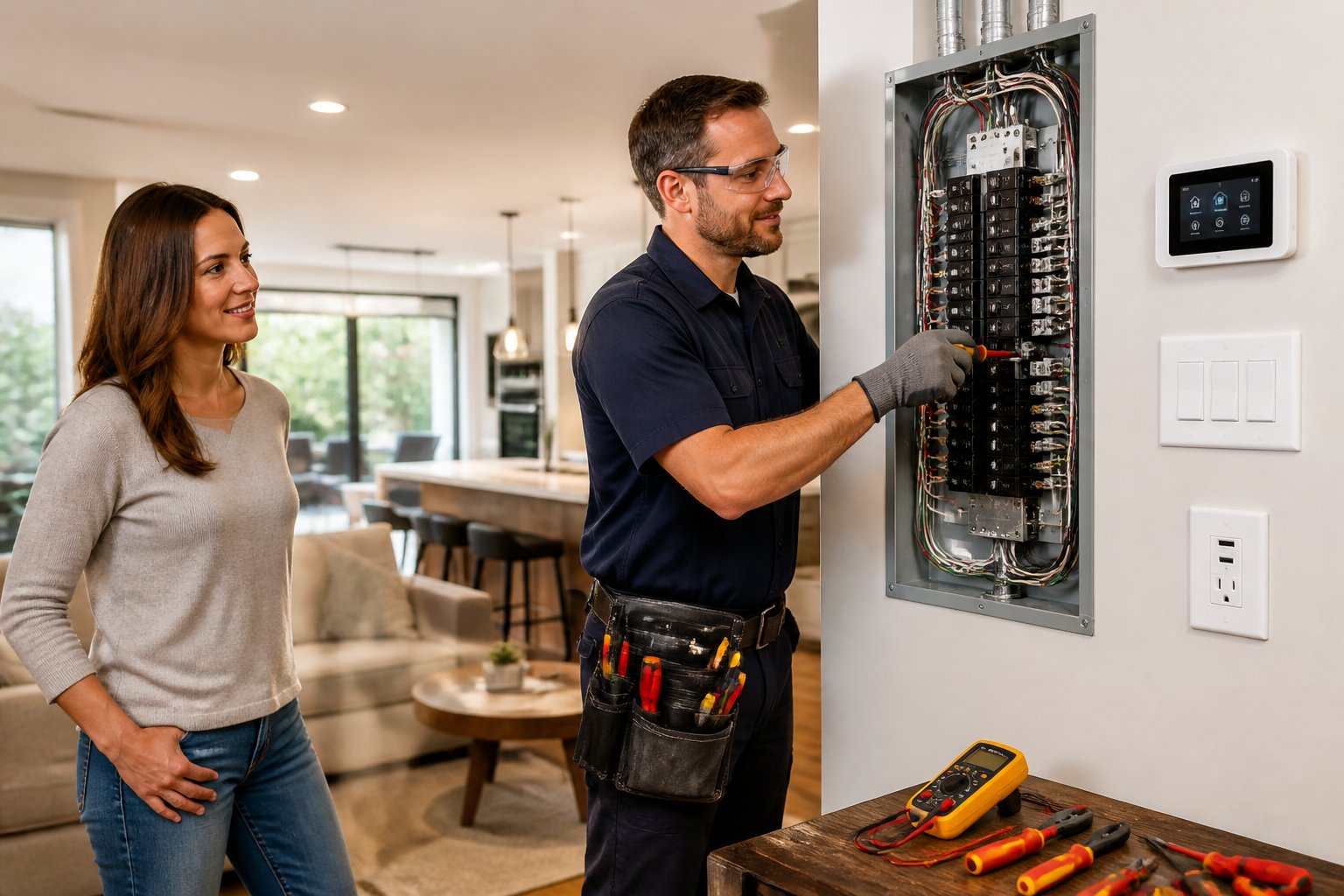
Before any wires get pulled, a good EV charger installation team checks your home’s electrical capacity and figures out where the circuit will go. That early review helps avoid surprises and keeps everything compliant.
For Roseville EV charger installation, the big questions are panel space, load needs, and the best path for a dedicated circuit.
Checking Panel Capacity and Dedicated Circuits
Your panel needs enough room and spare capacity for the new load. The electrician should review the breaker spaces, the service size, and the expected charging amperage.
A dedicated circuit is standard for EV charging. The car shouldn’t share power with other major loads—that keeps things safer and your charging more predictable.
When a Panel Upgrade May Be Needed
Some homes can add an EV circuit without much hassle. Others need a panel upgrade first, especially if the existing panel is older or already maxed out.
That’s pretty common in older Roseville homes, so it’s best to check before you get a quote. A good installer will tell you upfront if you need an upgrade before starting any work.
Permits, Code Compliance, and Inspection Basics
Permits are part of a safe, legal EV outlet project. They confirm the work meets local electrical rules and give you a record for the future.
Inspections are useful for peace of mind. They show the installation meets code, which matters for insurance and if you sell your home later.
Installation Steps From Assessment to Final Testing
A solid installation follows a clear path—from the site visit to a working charger that’s tested under real conditions. Planning matters; it saves time and helps avoid headaches.
When you hire charger installation services, the job should feel organized and straightforward. A reliable company explains each step, keeps the work neat, and tests everything before heading out.
Initial Site Visit and Charger Recommendations
The first visit usually means checking out your panel, parking spot, and the distance to where you want the charger. From there, the electrician can recommend a receptacle, a hardwired unit, or maybe a different layout.
This is also when you figure out if the charger goes in the garage, on a wall, or outside near your parking spot. It really depends on how you park and plan to charge each day.
Wiring, Breaker, and Receptacle Work
Once you’ve got a plan, the electrician runs the dedicated wiring and puts in the right breaker. If you’re getting an outlet, they’ll mount the receptacle so the connection is secure and easy to reach.
For hardwired setups, the charger connects directly to the circuit. Clean routing and good terminations matter—they help the system run safely for years.
Testing, App Setup, and Safe Daily Use
After the wiring is done, the system gets tested for proper voltage and charging performance. If your charger has smart features, the app setup happens now too.
Before the electrician leaves, you should know how to plug in, check the breaker, and spot any warning signs. That quick walk-through helps you use the charger safely from day one.
Cost Factors and Long-Term Value
The cost of ev charger installation depends on the distance from the panel, the charger type, and whether any electrical upgrades are needed. A straightforward installation costs less than a project that needs new wiring paths or a panel change.
What Changes the Price of the Project
Several things affect the final price: charger amperage, wire run length, trenching or attic work, and permits. Panel upgrades add cost, but sometimes you just can’t avoid them.
Outlet installs can cost differently than hardwired chargers—the parts and labor aren’t the same. The most accurate quote comes after the electrician actually sees your setup.
How Home Charging Can Reduce Ongoing Fueling Costs
Charging at home usually costs less than public charging stations. Plus, you save time by plugging in overnight and starting each morning with more range.
That convenience adds up, especially if you drive every day. For a lot of homeowners, the monthly savings and lower hassle are the biggest reasons to switch.
Why a Proper Setup Can Support Resale and Future EV Needs
A neat, permitted install can help sell your home later. Buyers notice when there’s EV charging in place—especially in a growing market like Roseville.
It also gets you ready for future vehicles that might need different charging rates. A well-sized circuit or sub-panel means upgrades down the road are a lot less painful.
Choosing a Qualified Local Electrical Team
The right contractor matters just as much as the charger. You want a team that knows EV systems, follows code, and leaves your home clean when the job’s done.
For Roseville EV charger installation, look for licensed pros who offer clear pricing and honest communication. AAA Electrical Services focuses on safety-first electrical work, done by licensed professionals, with same-day service when available and work that actually respects your home.
Licensing, Insurance, and EV Experience to Look For
Make sure the electrician is licensed and insured, and ask if they’ve actually installed EV chargers before. EV circuits aren’t the same as swapping out a random outlet.
You also want technicians who are background-checked and trained to work in occupied homes. That just feels better when someone’s on your property.
Questions to Ask Before Scheduling Service
Ask what amperage your home can support, if a permit is included, and whether the quote covers labor and materials. It’s smart to check if they’ll test the system before leaving.
You might also ask about flat-rate pricing, cleanup, and how soon the work can be scheduled. Clear answers usually mean a well-run company.
Why Fast Response and Clean Workmanship Matter
EV charger projects can mess with your daily routine, so quick scheduling makes a difference. Same-day service helps when you’re eager to get charging after buying a new car or upgrading your setup.
Clean workmanship matters, too. A tidy install is easier to use, easier to inspect, and just looks better if you sell your home later.
Frequently Asked Questions
How much does it typically cost to install a 240V outlet for EV charging at home?
The cost varies a lot depending on distance to your panel, your electrical system, and whether you need a permit. Simple jobs cost less than ones that need a panel upgrade or a long wiring run.
Do I need a permit or inspection to install an EV charging outlet in my garage?
In many cases, yes. Permit and inspection confirm the work meets local rules and give you a record for safety, insurance, and resale.
Can any licensed electrician install an EV charging outlet, or do I need a specialist?
Any licensed electrician can do it, but EV experience matters. The load calculations and circuit planning are specific. You want someone who knows how to size the circuit, check the panel, and set the outlet up safely.
What type of 240V outlet is best for Level 2 home charging (NEMA 14-50 vs 6-50)?
A NEMA 14-50 is common for portable EV chargers—it includes a neutral and works with lots of charging cords. A 6-50 can fit some setups too, but the best choice depends on your charger and your electrician’s plan.
Can I safely plug my EV into a 240V outlet, or is a hardwired charger better?
Both can be safe if installed right. A hardwired charger usually gives you a cleaner, more permanent setup, while a plug-in outlet gives you flexibility if you might change chargers later.
How long does a home EV charging outlet installation usually take from start to finish?
Most of the time, you’re looking at just a few hours once the work actually kicks off. But let’s be real—if your electrical panel needs an upgrade, permits drag on, or the wiring path gets tricky, it might spill over into another visit. Sometimes things just aren’t as straightforward as you’d hope.