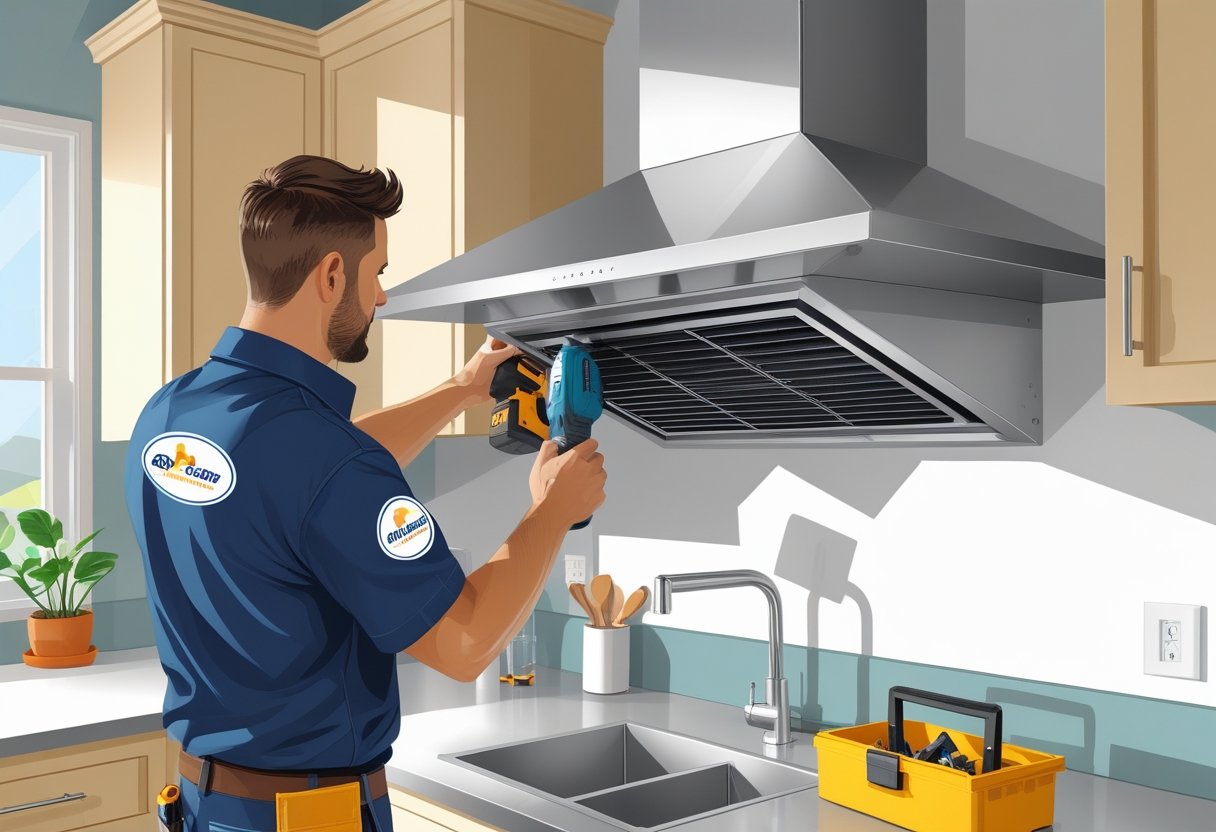
You want a quiet, code-safe exhaust fan in your Carmichael home that stops moisture and odors before they cause problems. A properly sized and professionally installed exhaust fan protects your walls, ceiling, and family by removing excess humidity and preventing mold growth. Here’s what you can expect during installation, a bit about permits, and how to pick a pro who works clean and fast.
Getting your space ready and knowing the usual snags can save you time and money. We’ll cover placement tips, ducting, energy-efficient options, and why things like same-day service, flat-rate pricing, and well-stocked vans just make the whole process easier.
If safety-first electrical work by licensed professionals is a must for you, you’re in the right place. AAA Electrical Services brings over 42 years of local know-how, certified techs, and a satisfaction guarantee to help you get the job done right.
Understanding Exhaust Fan Installation in Carmichael
Exhaust fans pull moisture, odors, and pollutants out of kitchens and bathrooms. Where you put them, how you wire them, and following local codes all help keep your home dry and safe.
What Is an Exhaust Fan?
An exhaust fan pulls moist or stale air out of a room and vents it outside. You’ll usually spot them in bathrooms, kitchens, and laundry rooms—anywhere humidity and steam like to linger.
Fans come in different airflow ratings (CFM, or cubic feet per minute). Bigger rooms or heavy use need higher CFM. You’ll also see differences in noise, energy use, and whether the fan includes extras like lights or heaters.
You should match fan size to your room’s volume and stick with quiet, energy-efficient models. Lots of Carmichael homeowners go for ENERGY STAR-rated fans to cut energy costs and avoid humidity headaches.
Why Proper Installation Matters
When you install a fan the right way, you avoid moisture damage, mold, and poor air quality. If you vent into an attic or wall cavity, you’ll end up with insulation and wood rot. Always vent straight outside with a sealed duct and a weatherproof vent cap.
Wiring needs to meet California electrical code. Sometimes you’ll need a dedicated circuit. Bad wiring? That can mean fire risk or tripped breakers. A good install runs quietly, lasts longer, and keeps maintenance simple.
Licensed techs show up with the right tools, parts, and permits. AAA Electrical Services offers same-day service, flat-rate pricing, and installers who follow code and leave your place clean.
Common Types of Exhaust Fans Used Locally
Bathroom ceiling fans: The classic choice, installed in ceilings and vented through the roof or outside wall. Standard bathrooms need 50–110 CFM; bigger rooms, more.
Inline fans: These go in the attic or crawl space to keep things quieter in the room. They’re handy for long duct runs or tight roof spaces.
Combination units: Fans with lights or heaters—great for smaller bathrooms where you want to save space.
Kitchen range hoods: Higher CFM, grease filters, and they handle cooking fumes. Ducted hoods that vent outside work best in Carmichael kitchens.
When you’re picking, think about room size, venting options, and noise. Having stocked vans and same-day service means most homes get the right fan and a quick install.
Preparing for an Exhaust Fan Installation
Plan out your space, power needs, and local code requirements before getting started. Figure out where you’ll vent the fan, check for a nearby circuit (or if you need a new one), and grab any permits or HOA approvals.
Assessing Ventilation Needs
Measure the room in cubic feet. How often do you run hot showers or steam-heavy appliances? Bigger bathrooms or rooms with lots of moisture need higher airflow. Basic rule: bathrooms under 100 sq ft usually need 50–80 CFM; larger rooms need more.
Find the spot where air will exit. Exterior wall vents, roof vents, or soffit vents all play a role in duct routing. Short, straight duct runs are best. Long or bendy ducts cut performance and can cause condensation.
Think about sound and humidity control. Want a quiet fan? Look for a low sones rating. High-humidity space? Get a model with a built-in humidity sensor or timer to keep mold away.
Choosing the Right Fan Size and Model
Match the fan’s CFM to your room and fixtures. For high ceilings, multiply area by height. Bathrooms: usually 1 CFM per square foot for standard ceilings—add more for jetted tubs or big showers.
Decide on features: timer, humidity sensor, LED light, or heater. Humidity sensors save you from forgetting to turn the fan off. Integrated lights mean less wiring, but sometimes a bigger circuit. For quiet, go for under 1.5 sones.
Check electrical needs and your circuit’s capacity. No dedicated circuit? You may need a new one or a pro hookup. If you’ll run the fan a lot, look for models rated for continuous use. AAA Electrical Services has licensed techs for wiring and code compliance across Sacramento.
Step-by-Step Exhaust Fan Installation Process
Here’s a straightforward breakdown for prepping tools, handling electrical safety, and installing wall or ceiling exhaust fans. Stick to these steps for safe, code-compliant, and quiet results.
Gathering Tools and Materials
You’ll need: voltage tester, wire strippers, screwdrivers, drill with hole saw or spade bits, utility knife, fish tape, wire nuts, cable clamps, mounting screws, silicone sealant, and the fan kit with grille and ducting. For outdoor venting, add foil ducting, a roof or wall cap, and exterior caulk.
Check your fan box for the right electrical box and mounting bracket. Match the fan’s CFM to the room; bathrooms usually need 50–100 CFM. Grab a fan with a built-in damper to stop outdoor air from blowing in.
Wear safety glasses and a dust mask. Keep a flashlight and a small waste bag nearby. Lay out all the parts on a towel so you don’t lose screws or tiny bits.
Electrical Safety Considerations
Turn off the circuit at the breaker before touching wires. If you can, lock out or tag the breaker. Use a non-contact voltage tester on the switch and at the fixture box to make sure the power’s really off.
Follow local code for wire gauge and grounding. Most bathroom fans use 14/2 NM cable on a 15A circuit, but always double-check. Connect ground wires to the metal box and the fan’s ground lead. Use approved connectors and secure cable entries with clamps.
Need to move a switch or add a circuit for a high-CFM fan? Call a licensed electrician. AAA Electrical Services does same-day visits and panel upgrades if you need more capacity. Don’t reuse damaged wiring—just replace it.
Installation Steps for Wall-Mounted Fans
Mark the fan spot on the wall, 6–12 inches below the ceiling for best airflow. Cut the hole using the kit’s template and a saw. Install the exterior wall cap, run foil duct through the wall, and seal around the cap with exterior caulk.
Mount the fan housing in the wall cavity with brackets or screws. Pull the house cable through the knockout, secure it, strip wires, and connect black to black (hot), white to white (neutral), and ground to ground. Fasten wire nuts and tuck wires in neatly.
Attach the grille and test. Turn the circuit back on, check airflow and damper function. If you hear rattling, tighten screws or add foam gaskets to cut noise.
Installation Steps for Ceiling-Mounted Fans
Pick a ceiling spot near a joist or use a brace rated for the fan’s weight. Trace the template and cut the opening. Run the duct up into the attic and route it straight to the roof or sidewall cap—fewer bends is better.
Install the housing and secure it to the joist or brace. Pull electrical cable into the junction box and make the same wire connections: hot to hot, neutral to neutral, ground to ground. Use clamps and a pigtail if you need one for switches or timers.
Connect the duct to the fan outlet with foil ducting and clamp it tight. Insulate around the housing in the attic and add a backdraft damper if your kit doesn’t have one. Restore power, test for suction at the grille, and check for leaks at the exterior cap.
Finding Reliable Exhaust Fan Installers in Carmichael
You want someone who works safely, shows up when they say, and leaves your place clean. Look for clear pricing, quick service, and techs who explain things in plain English.
Qualities of a Good Installer
A good installer is licensed, insured, and knows their way around bathroom and laundry exhaust fans. They should offer flat-rate, upfront pricing so you’re not hit with surprises. Ask if their vans have common parts—faster, often same-day repairs mean fewer headaches.
Techs should wear uniforms and protect your floors and fixtures. Expect a clear timeline, written estimates, and a clean-up policy that leaves no mess. Friendly, patient communication goes a long way. You should get straight answers about CFM, sones, and proper duct routing for moisture control.
Checking Licenses and Certifications
Check the electrician’s license number with the California Contractors State License Board. Confirm insurance—ask for proof of liability and worker’s comp. If they mention training, get specifics like Nexstar or state certification so you know they’re up to date.
Ask for references or local reviews, and make sure they’ve done similar jobs in Carmichael or nearby. Ask about permits—most proper installs need them—and confirm who’s pulling the permit. Vendors offering same-day service, clear pricing, and safety-first work help keep your family and home safe. AAA Electrical Services follows these practices and keeps vans stocked for faster fixes.
Permits and Local Regulations for Exhaust Fan Installation
You’ll need to follow local rules and often get a permit before installing an exhaust fan. This keeps the work safe, legal, and ready for inspection.
When Permits Are Required
Permits are usually required if you’re changing wiring, adding new circuits, or altering vent paths. If you install a fan with a new switch, dedicated circuit, or penetrate exterior walls or roofs, expect to need a permit.
Carmichael homeowners often need an electrical permit and a building permit for exterior venting or structural changes. Permit fees and paperwork vary, so check with the local building department before you start. Licensed electricians handle permits and inspections, which speeds things up and keeps you code-compliant.
Understanding Carmichael’s Building Codes
Carmichael uses Sacramento County codes for electrical and mechanical work. Rules cover wiring methods, GFCI near wet areas, fan box ratings, and vent termination distances from windows, doors, and soffits.
Noise limits and duct length can be an issue for attic or whole-house fans. Installers need to follow clearance rules and use approved materials. If your project touches fire-rated assemblies or insulation, you might need special materials or firestopping. Hiring a licensed, insured tech with local experience helps you pass inspection and avoid expensive rework.
- Safety-first electrical work by licensed professionals.
- Same-day service from a team that treats your home like their own.
Troubleshooting Common Exhaust Fan Installation Issues
If your new exhaust fan isn’t working right, start with airflow and electrical connections. Check the fan, duct, and wiring step by step to find the issue and fix it safely.
Poor Airflow After Installation
First, check the fan blade and grille for dust or leftover packaging. Even a little blockage can cut airflow a lot. Pop off the grille and spin the blade by hand—does it move freely?
Next, look at the duct route. Long runs, sharp bends, or crushed flexible ducts really hurt airflow. Check the duct size—it should match the fan’s recommendation. Swap out crushed or undersized ducting for smooth, straight runs if you can.
Check the exterior vent cap. Sometimes birds, leaves, or a stuck flap block the outlet. Clean or replace the cap and make sure the flap opens when the fan runs. If airflow still seems weak, maybe the fan’s just too small for the room. You might need a bigger model to get the job done.
Fixing Electrical Connection Problems
Always turn off power at the breaker before touching any wiring. Double-check with a voltage tester to make sure the power’s actually off. Not feeling confident? That’s what licensed electricians are for.
Check if the fan’s wiring matches the switch and circuit. Loose wire nuts, incorrect connections, or a swapped neutral wire can stop the fan or make it run off and on. Tighten any loose connections and match wire colors to the fan’s manual.
Inspect the circuit breaker and switch. A tripped breaker, faulty switch, or overloaded circuit can stop things cold. Reset the breaker and test the switch with a multimeter. If the breaker keeps tripping or the fan just hums, you might have a bad motor or a wiring fault that needs a pro.
AAA Electrical Services can send out certified techs with stocked vans for quick, on-the-spot repairs if you’d rather not mess with wiring or replacements yourself.
Maintaining Your Newly Installed Exhaust Fan
Keep the fan clean, listen for weird noises, and schedule checks when performance drops or safety concerns pop up.
Routine Cleaning Tips
Turn off the breaker before cleaning. Take off the cover and use a damp cloth to wipe dust from blades and the grille. For greasy buildup, a little dish soap mixed with water does the trick—just rinse and dry everything before putting it back.
Clean the exterior vent and damper outside your house at least once a year. Use a brush or vacuum to clear out nests, leaves, and debris that block airflow. Make sure the damper moves freely.
Check the fan's mounting and screws every six months or so. Tighten anything loose and replace cracked plastic parts. If the motor area looks oily or smells burnt, stop using the fan and call a pro.
Jot down cleaning dates in a home maintenance log. Note any weird sounds, changes in airflow, or vibration so a technician can troubleshoot faster.
When to Schedule Professional Maintenance
Call a licensed electrician if the fan hums, shudders, or runs but barely moves air. These issues usually mean motor wear, bad bearings, or wiring problems that need tools and know-how.
Get a pro if you spot water damage, rust, or soot around the fan. Moisture can short wires and cause mold. A professional will check wiring, swap out bad parts, and make sure everything’s still up to code.
Book yearly inspections if you’ve got high humidity, do a lot of cooking, or the fan serves a big bathroom. Licensed techs from AAA Electrical Services can handle full checks, clean tricky spots, and offer flat-rate repairs with stocked vans for quick fixes.
Keep receipts and service notes for warranty and safety records. If a repair needs a permit or panel work, let the tech handle the paperwork to keep your home covered.
Cost Considerations for Exhaust Fan Installation in Carmichael
Costs depend on fan type, labor, permits, and whether you need new wiring or drywall work. You’ll have to balance upfront price with long-term performance, safety, and energy use.
Typical Installation Costs
Standard bathroom exhaust fans with basic ducting usually cost $200 to $500 installed in Carmichael. Mid-range models with quieter motors or timers often land in the $400–$800 range. Inline or attic-mounted fans, which move more air and are quieter, can run $700–$1,200 with labor and ductwork.
Need a vented roof or gable cap? Add another $100–$300 for flashing, caps, and roof access. Simple replacements where wiring and framing are already there are cheaper. Don’t forget permit fees if the job changes wiring or adds roof penetrations—permits in the area typically add $50–$200.
Factors Affecting Price
Labor complexity is the big one. Cutting new holes in ceilings, fishing wiring through finished walls, or running long ducts to the roof or soffit means more time and money. Tight attic access or retrofits in older homes usually bump up labor hours.
Fan features matter too. Energy-efficient, humidity-sensing, or ultra-quiet fans cost more up front but can lower utility bills and reduce headaches later. Materials like insulated ducting, backdraft dampers, and roof caps add $50–$200. Want same-day installation or parts on hand? Services with stocked vans can save you repeat-trip charges. Let the tech know your budget and what matters most so you get clear pricing and a heads-up about permits or surprises.
Energy Efficiency and Environmental Benefits
Choosing and installing the right exhaust fan can cut your home’s energy use and help keep your air healthy. A properly sized fan cuts down HVAC run time and helps prevent moisture damage that leads to expensive repairs.
How Exhaust Fans Save Energy
High-efficiency exhaust fans use less electricity than old, noisy ones. Look for ENERGY STAR ratings or low-watt DC motors—they typically use 40–70% less power than standard models.
Placement matters. Installing a fan near the shower or cooking area pulls humid or hot air out quickly so your AC doesn’t have to work as hard. Timers or humidity sensors help by shutting the fan off when it’s no longer needed.
Seal ducts and use short, insulated duct runs whenever possible. Leaky or long ducts force the fan to work harder and let cooled air escape, which bumps up your energy bill. Licensed installers like AAA Electrical Services can match fan size to room volume and make sure duct routing is efficient.
Improving Indoor Air Quality
Exhaust fans pull out moisture, odors, and airborne particles right at the source. In bathrooms, controlling humidity stops mold and mildew, which can mess up your air and damage the house if ignored.
In kitchens, a vented exhaust fan clears out grease and smoke that otherwise settle on surfaces and linger in the air. Go with fans that vent outdoors instead of recirculating, so you’re not just moving the problem around.
Smart controls and humidity sensors keep air fresh without running the fan nonstop. Regular cleaning—wiping the grille and checking ducts—keeps the fan working right. It’s a simple way to protect your family’s health and keep your home safer and drier.
Upgrading or Replacing Existing Exhaust Fans
If your exhaust fan smells, rattles, or barely moves air, it’s probably time for a new one. Upgrading can boost airflow, cut noise, and save energy while protecting your home from moisture and mold.
Signs It’s Time for an Upgrade
Hold a tissue near the grille—if airflow’s weak, or steam and smells linger, the motor or ducting probably needs help. If the fan cycles on and off or hums, you might have worn bearings or loose wiring.
Check for visible rust, water stains, or peeling paint around the fan. Those usually mean past moisture damage or duct leaks. Also, watch for excessive vibration or a fan that won’t start reliably—both are red flags.
If your fan is over 10–15 years old, it likely uses more power and makes more noise than newer models. Upgrading can mean energy savings, quieter operation, and better humidity control.
Choosing Modern Fan Features
Pick a fan with the right CFM rating for your room. Bathrooms usually need 50–110 CFM; bigger or jetted-tub spaces need more. Look for a low sone rating (0.5–1.0) if you want it quiet.
Choose energy-efficient motors (ECM or high-efficiency PSC) and ENERGY STAR models if you can. They use less electricity and may qualify for rebates. Features like built-in humidity sensors, motion sensors, and timers make life easier and save energy.
Insulated, sealed housings and proper ducting to the outside prevent backdrafts and moisture in the attic. If you want a quieter, more reliable install with flat-rate pricing and same-day options, AAA Electrical Services can take care of wiring, placement, and code compliance with certified techs who treat your home like their own.
Frequently Asked Questions
Some of the most common questions about bathroom exhaust fan installation in Carmichael—costs, who should install, when to call a pro, ceiling-specific stuff, and what changes the price.
What's the average cost for installing a bathroom exhaust fan in my area?
In the Sacramento region (including Carmichael), basic fan installs with labor usually run $200 to $700. Higher-end fans, extra ductwork, roof or soffit venting, or electrical upgrades can push the price higher.
AAA Electrical Services offers flat-rate, upfront pricing and can give an exact quote for your home. New customers might get $35 off their first service.
Can you tell me whether I need a professional electrician to set up my bathroom fan?
If you’re swapping out a similar fan and the wiring is safe and up to code, you might do it yourself. But if you need new wiring, a dedicated circuit, or work near the breaker panel, call a licensed electrician.
Safety-first work by licensed pros reduces fire risk and keeps you code-compliant. Same-day service is often available if you need it fast.
Is it typical for a plumber to handle the installation of an exhaust fan?
Plumbers usually deal with plumbing vents, not electrical fans. Exhaust fans involve wiring, switches, and sometimes a new circuit—so an electrician typically does the install.
If you need new duct connections to roof or attic plumbing, a plumber or roofer might help with the vent path, but the electrical part is still the electrician’s job.
How do I know if I can install an exhaust fan on my own?
You can probably DIY if you’ve got basic electrical skills, existing wiring, and don’t need new circuits or permits. Read the instructions, turn off the breaker, and make sure everything’s grounded and connected safely.
If you’re unsure about wiring, cutting ceiling joists, or venting through the roof, call a licensed electrician. Flat-rate pricing and stocked vans mean quick, clean jobs.
Are there any special considerations when installing a ceiling exhaust fan?
Plan your vent path first—short, straight ducts are quieter and help prevent moisture problems. Use insulated ducting if it runs through an unconditioned attic to avoid condensation.
Check the ceiling cavity for joists, plumbing, or wiring before you cut. Also, make sure the fan’s CFM matches your bathroom size; an underpowered fan won’t control moisture well.
What factors might affect the total price of an exhaust fan installation project?
Several things can bump up the cost: the quality of the fan, any extra features you want, and how complicated it is to run the vent—like if it needs to go through the roof instead of a soffit. If you need new wiring or a dedicated circuit, that’ll add to the bill too. Permits? Yep, those can be a hassle and add expense. Getting into tight attic spaces or dealing with drywall repairs means more labor hours, plain and simple.
When you hire licensed and insured technicians, you usually get faster results since they tend to have the right parts stocked in their vans. It's worth looking for companies that offer honest pricing and a satisfaction guarantee, so you’re less likely to get hit with unexpected fees.