Living in Loomis, you know how important it is to have a backup power plan that keeps your home safe and comfortable during outages. A properly sized, professionally installed standby generator keeps the lights on, protects food, and powers essential systems so your family can ride out any blackout.
Curious about how local electricians handle sizing, permits, and safe placement? Here’s what you can expect from installation and upkeep. AAA Electrical Services offers same-day options, flat-rate pricing, and certified techs who treat your home with respect — helping you choose the right system for your neighborhood.
Generator Installation Services in Loomis
You can get a standby or portable generator installed to keep your lights, fridge, heating, and medical equipment running during outages. Local installers take care of permits, site prep, transfer switches, and testing so your system works when you need it most.
Local Installation Options
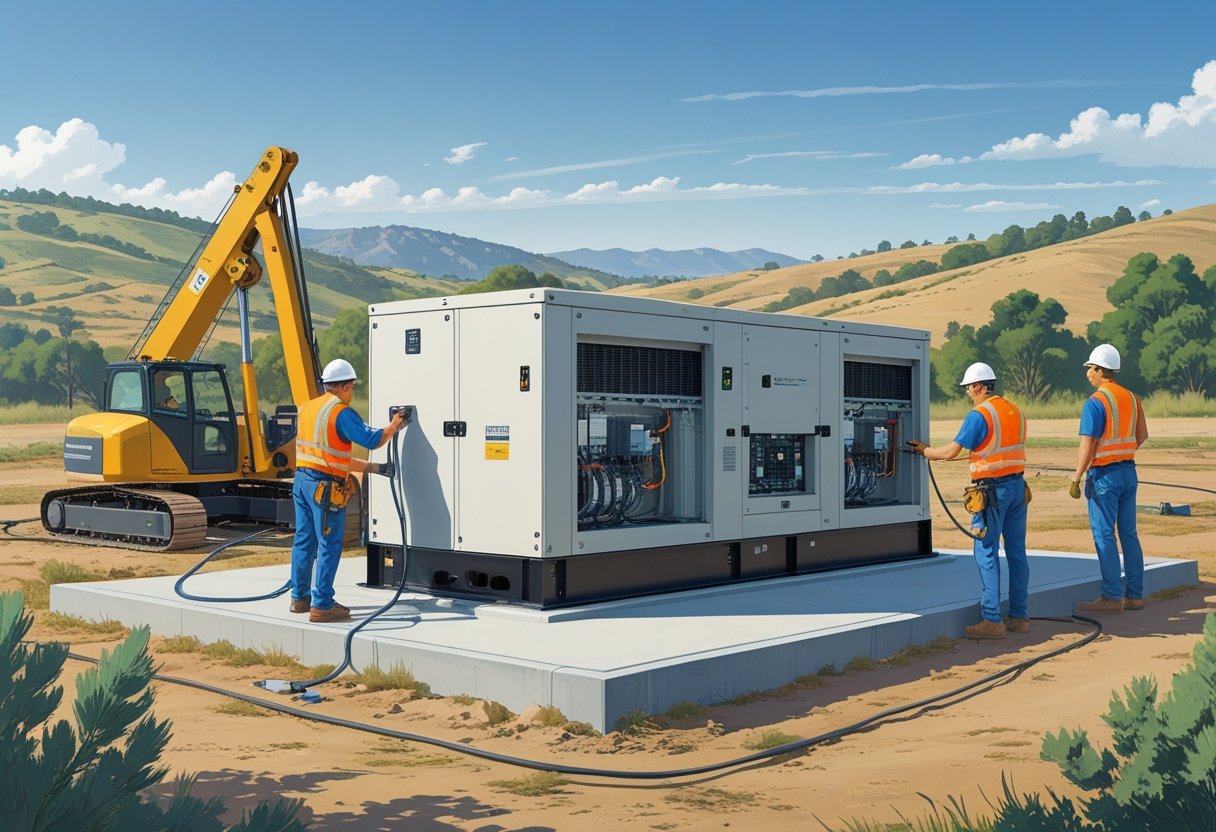
Choose between whole-house standby generators or smaller portable units, depending on your needs and budget. Standby generators sit outside on a concrete pad and connect to your main panel through an automatic transfer switch; they kick on automatically when power fails. Portable units sit on a pad or cart and need manual hookup or a manual transfer switch.
Local contractors handle permits and schedule inspections with Loomis or Placer County. Ask about noise ratings, fuel type (natural gas, propane, diesel), and required clearances from your house. Get a written scope, timeline, and flat-rate pricing so you know the final cost before work starts.
Licensed Generator Installers
Work with licensed electricians who actually follow local codes and safety rules. Look for contractors with electrician or C-10 licensing, proof of insurance, and background-checked techs. Make sure they’re trained on your generator brand and offer a satisfaction guarantee or warranty on their work.
Ask if they use a “warehouse on wheels”—stocked vans that cut down on return trips and speed up repairs. Confirm same-day service for emergencies and get a full list of included services: site assessment, concrete pad, transfer switch, fuel hook-up, testing, and final inspection. Keep copies of permits and inspection reports just in case.
Customized Solutions for Residential and Commercial Needs
Residential installs focus on safety and comfort. Your installer will size the generator for essential circuits or your whole house, prioritize life-safety loads (medical gear, HVAC, refrigeration), and recommend automatic or manual transfer options. Talk about noise limits, landscaping screens, and maintenance plans.
Commercial jobs usually need load studies and often get larger standby systems with redundancy options. Installers work around business hours, handle permits, and provide service agreements for regular testing and quick repair. For both home and business, look for transparent, flat-rate pricing and techs who leave your place clean and explain everything in plain English.
Choosing the Right Generator for Loomis Homes
Pick a generator that covers the things you can’t go without, fits your budget, and works with local fuel options and installer rules. Consider size, fuel, noise, and whether you want auto-start for longer outages.
Types of Generators Available
Standby (whole-house) generators run on natural gas or propane and attach to your home’s transfer switch. They start automatically during outages and can power HVAC, well pumps, refrigerators, lights, and medical equipment. They cost more up front but offer convenience and safer permanent wiring.
Portable generators run on gasoline or propane and cost less initially. You’ll need to refuel and hook them up to circuits with a manual transfer method or use extension cords. They’re good for essential circuits and short outages.
Inverter generators provide cleaner power for sensitive electronics and run quieter. They work for small homes, remote work setups, or RV-style needs. They cost more per watt but save fuel and reduce noise.
Power Requirements Assessment
List each appliance and its starting (surge) and running wattage: HVAC, well pump, electric oven, water heater, fridge, medical devices, and lights. Add up running watts, then add the highest starting surge (usually motors like AC or pumps). That’s your minimum generator rating to avoid overload.
Decide if you want whole-house coverage or just essentials. A 7,500–12,000 watt standby generator covers most single-family homes’ basics, while larger homes or those with electric heat may need 15,000+ watts. Match fuel choice to what’s available in Loomis—natural gas lines or propane deliveries affect sizing and runtime.
Recommendations for Local Climate
Loomis gets hot summers and the occasional winter storm that can knock out power for days. Prioritize cooling and refrigeration in summer, and reliable heating or well-pump power in winter. Choose a generator with enough surge capacity for your AC compressor if you want full HVAC coverage.
Pick weather-resistant installation locations with good airflow and clearance from windows per code. Consider a transfer switch and automatic start so the unit kicks in during storms while you focus on your family. For peace of mind, go with licensed, insured techs who offer same-day service, flat-rate pricing, and stocked vans to handle most fixes on the first visit.
Generator Installation Process Explained
Here’s what happens from your first call to the moment your standby generator is up and running. The steps cover the consultation, site prep, permits, and what the crew does on installation day.
Initial Consultation
You’ll start with a site visit or phone call to talk about your power needs and budget. The electrician will ask which circuits you want backed up, list critical appliances (fridge, furnace, sump pump, etc.), and calculate generator size in kilowatts.
Expect questions about your main electrical panel location, fuel choice (natural gas or propane), and any neighborhood or HOA rules that affect placement.
The tech checks delivery access and confirms permit requirements for Loomis and nearby towns. You’ll get a written estimate with flat-rate pricing, permit handling, and a timeline. Ask about any new-customer credit or membership discounts if you qualify.
Site Preparation Steps
Clear a 5–10 foot area for the generator pad and keep the main panel area open. If you have landscaping or a pet fence, move anything blocking access.
A concrete or polymer pad usually goes in first; the crew marks the pad size based on your generator model and local code setbacks.
You’ll need to arrange for any gas line hookup or propane tank placement ahead of time. The installer coordinates with the gas company or a propane supplier and pulls permits as needed.
Plan for a transfer switch near your main panel—this device isolates generator power from the grid and keeps utility workers safe. The technician will tell you what circuits will connect to the transfer switch.
Installation Day Procedures
Techs arrive in uniform with a stocked van, aiming to finish most tasks in one visit. They place and level the generator on the pad, then mount the transfer switch near your main panel.
They’ll shut power if needed, run wiring between the panel, transfer switch, and generator, and connect the fuel line. Work follows code and the local permit checklist.
After wiring and hookups, the techs test the generator under load and show you how automatic start and manual controls work. They go over safe operation and maintenance steps, and leave documentation and warranty forms.
You’ll get a final inspection sign-off if required, and the crew will tidy up before leaving.
Permits and Regulations in Loomis
You’ll need permits and inspections for most standby generator installs in Loomis. Rules cover placement, fuel type, electrical connection, and noise limits to keep everyone safe.
Local Code Requirements
Loomis follows California and Placer County electrical and building codes. Pull a building permit before installing a permanent generator that ties into your home electrical system. The permit process checks the transfer switch, grounding, and wiring size. Inspectors confirm the automatic transfer switch isolates utility power and that the generator sits on a stable pad with proper clearances.
Keep the generator at least 5–10 feet from doors, windows, and vents unless plans show equivalent protection. Fuel hookups (natural gas or propane) often need separate permits and licensed plumbers or gas fitters. Bring equipment specs and site plans when you apply for permits to speed things up.
Environmental Considerations
Air quality and noise rules apply in Loomis. Generators emit carbon monoxide and other pollutants, so place them to direct exhaust away from living spaces and neighbors. Local air district rules may limit run times for testing and maintenance, and larger units might need specific emissions controls.
Noise limits vary by zone and time of day. Use low-noise enclosures or install sound barriers if you’re close to neighbors. If your site is in a floodplain or near protected habitats, you might need more environmental reviews or permits. AAA Electrical Services can help make sure your installation meets these environmental and code requirements.
Cost of Generator Installation Near Loomis
Prices vary based on generator size, transfer switch, and site work. You’ll see options from portable units needing simple hookups to whole-house standby systems that require permits, concrete pads, and electrical upgrades.
Price Breakdown
A small portable generator plus basic hookup usually costs under $1,500 in parts and labor.
Standby generators powering most Loomis homes run between $5,000 and $12,500 installed. A common 22 kW standby system falls near $7,000–$11,000, including the unit, transfer switch, and labor.
Typical costs:
- Generator unit: $1,000–$9,000 depending on size and brand.
- Automatic transfer switch: $500–$2,000.
- Installation labor and permits: $1,000–$4,000.
- Concrete pad, gas or propane line, and panel upgrades: $500–$2,500.
Ask for a written quote that lists each line item so you know what you’re paying for.
Factors Affecting Installation Costs
Site conditions matter. If your yard needs a concrete pad, trenching for a fuel line, or long conduit runs, labor and materials go up.
Panel age and capacity also affect price. If your panel needs upgrades or a subpanel, expect higher costs for parts and electrician time.
Permits and inspections in Placer County or nearby towns add to the bill. Fuel choice changes price: natural gas hookups are usually cheaper than installing a new propane tank.
Installer choice affects both cost and value. Look for licensed, insured techs who offer flat-rate pricing, same-day service, and stocked vans to avoid repeat visits.
Financing and Incentives
Many installers offer financing to spread out the cost. Typical plans include low-interest loans or monthly payments through third-party lenders. Ask for terms, total interest, and fees before you sign.
Local and federal incentives sometimes apply for energy-efficient standby units or if you pair a generator with solar backup. Check current programs and ask your installer to confirm eligibility.
AAA Electrical Services can walk you through financing choices and local incentives. Their techs provide upfront, flat-rate quotes and outline permit costs so you see the full price before work starts.
Maintenance and Safety Tips
Keep your generator ready and your family safe by doing regular checks and following clear safety steps. Pay attention to fuel, oil, battery, and vents, and always run the unit the right way.
Routine Generator Checks
Check oil and coolant before each use. Low oil can ruin the engine fast, and dirty coolant can cause overheating. Change oil every 50–100 hours or as the manual says.
Inspect the air filter every month. A clogged filter hurts performance and burns more fuel. Replace it when it’s dark or after dusty conditions.
Test the battery and charging system every month. Look for corrosion on terminals and tighten connections. Replace batteries older than three to five years or if they fail load tests.
Run the generator under load for 20–30 minutes monthly. This keeps fuel from gumming up the carburetor and prevents wet stacking. Use a transfer switch or safe load bank when testing.
Keep fuel fresh and store it in approved containers. Add stabilizer if you’ll keep fuel more than 30 days. Drain and replace old fuel before the next season.
Follow the manufacturer’s checklist and record dates, parts replaced, and hours run. This log helps techs troubleshoot and keeps warranties valid.
Safe Operation Practices
Keep your generator at least 20 feet from the house, with the exhaust pointed away from windows and doors. Carbon monoxide builds up quickly—don’t ever run a generator indoors or in an attached garage.
Use a transfer switch that a licensed electrician installs. This prevents backfeed, which can hurt utility workers and fry your appliances. Seriously, don’t plug the generator into a wall outlet.
Clear the area around the generator—no leaves, trash, or flammable stuff nearby. Store fuel far from the generator and any heat source. Let the unit cool before refueling to avoid fires.
When you’re doing maintenance, wear gloves and eye protection. Always turn off the generator and disconnect any loads before checking spark plugs, filters, or fuel lines.
Schedule professional inspections at least once a year. If you’re in Loomis or nearby, AAA Electrical Services offers same-day service, licensed techs, and flat-rate pricing—pretty handy for keeping your generator running safely.
Warranty and Support
Your generator should come with clear warranty terms and a local support plan so repairs and parts happen fast. Make sure you know what’s covered—parts, labor, and how fast someone will actually show up—before the install.
Understanding Warranty Coverage
Read the warranty closely for limits on parts and labor. Usually, warranties cover the engine, alternator, and control board for a set number of years or hours. Hang onto your receipts and installation records (installer’s name, permit, serial number) so you can file claims quickly.
Watch out for exclusions like skipped maintenance, bad fuel, or overloading the unit. Ask if your installer has extended or parts-only warranties. If you go with AAA Electrical Services, check that they register your unit with the manufacturer and give you all the paperwork you’ll need for claims.
Keep your warranty documents and a digital photo of your generator’s location. It’ll make phone or online claims go faster and help techs diagnose problems.
Emergency Service Availability
Ask about local emergency response times and after-hours policies. You want a tech who can reach Loomis (and places like Roseville and Rocklin) fast when the power’s out. Find out if same-day or next-day service is an option, and whether emergency calls cost extra.
See if their service vans carry common parts—techs with a “warehouse on wheels” can usually fix things on the first visit, which is a lifesaver. Check if service calls include diagnostics, and whether that costs more if your warranty’s expired.
Keep a local contact number and set up an account with your service provider. That way, dispatchers already know your equipment and address, which helps get help out to you faster.
Frequently Asked Questions
Here are answers to the main steps, costs, timing, and who can install a home generator near Loomis. You’ll find info on sizing, local pros, and store install options to help you plan.
What are the steps involved in installing a residential generator?
A pro will check your home’s power needs and pick a spot for the generator pad and fuel supply.
They’ll pull permits and schedule inspections to meet local codes.
Techs set the pad, place the generator, and hook up the transfer switch and wiring to your main panel.
Once everything’s wired, they test it under load and show you how to use and maintain the system.
Can I get an estimate on how much a whole home generator installation will cost?
Definitely. A tech will size the generator and figure out the work, then give you a flat-rate estimate.
Costs depend on the generator’s size, whether you need gas or propane hookups, permits, and site prep.
Ask for a written quote that lists equipment, labor, permits, and any subcontractor fees.
Use the quote to compare offers or check for deals (like $35 off your first service—nice perk).
Are there any local professionals who can install a Generac generator?
Yep, licensed and insured electricians near Loomis can install Generac units.
Look for teams with generator experience, state certification, and good local reviews.
AAA Electrical Services installs and services generators in the area. They offer same-day service, certified techs, and flat-rate pricing.
Their vans are stocked so most repairs can get done on the first trip.
What is the typical timeframe for a home generator installation?
Simple installs usually take 1–2 days after permits are ready.
If you need panel upgrades, fuel lines, or extra site work, it might take several days.
Permit and inspection times depend on your city, so add that to your schedule.
Ask your installer for a full timeline before work kicks off.
Do any home improvement stores offer installation services for generators?
Some big stores team up with local licensed electricians for installs.
Double-check that the installer is licensed, insured, and knows whole-home systems.
You don’t have to use a store partner—hiring a local licensed electrician directly can give you more control over price and timing.
How do I choose the right size generator for my home needs?
Start by jotting down the circuits and appliances you want running during an outage—think HVAC, fridge, maybe medical equipment if that's important.
A licensed electrician can do a load calculation and help match a generator to what you actually need.
You might go for a whole-house unit, or just cover the basics with a partial-load system if you're looking to save some cash.
Ask your installer for a written sizing plan so you end up with the right model and don't risk getting one that's too big or too small.