Generator installation for homes in Folsom is one of the most practical ways to shield your home from outages, especially if you want lights, heating or cooling, refrigeration, and internet to stay on when the grid goes down. The right setup really hinges on how much of your home you want powered, what fuel source makes sense for your property, and just how easy you want things to be during an outage.
If reliable backup power is your goal, a professionally installed home generator that's sized for your needs, permitted, and connected with an automatic transfer switch is usually the way to go. That combo gives you safer operation, a cleaner setup, and way less hassle than dragging out cords or wrangling a portable unit during a storm.
If you live in Folsom, you'll also want a system that matches local code, fits your lot, and works with your existing electrical and gas service. AAA Electrical Services has seen that careful planning up front, clear pricing, and safety-first electrical work by licensed professionals make all the difference.
Choosing the Right Backup Power Setup
Backup power can mean a small generator for just a few important circuits, or a whole house generator that keeps most or all of your home running. What works best depends on your daily needs, your budget, and how much convenience you want when the power's out.
A standby generator kicks on automatically, while portable generators can still be handy for short-term, limited power. The trick is matching the system to your actual home, not just picking a size and hoping for the best.
When a Whole-House System Makes Sense
A whole house generator is worth it when you want near-normal living during an outage. Think homes with central HVAC, sump pumps, medical equipment, or folks who work from home and can't risk long downtime.
A standby generator is a smart move if outages around here are more than just a rare blip. You skip the extension cords, don't have to shuffle equipment, and keep more of your house working.
How Standby and Portable Options Compare
Standby generators are installed permanently and start automatically when the power goes out. Portable generators cost less upfront, but they need manual setup, fuel handling, and careful cord management.
Portable generators can run a few appliances. Standby generators are better for steady backup power and bigger loads. Honestly, standby units feel like part of your house, while portables are more of a quick fix.
Sizing a Generator Around Essential Circuits or Full-Home Coverage
Sizing starts with a basic question: do you want to power just a few essentials, or the whole place? Essentials usually mean refrigeration, lights, charging outlets, garage doors, and maybe some heating or cooling.
Full-home coverage needs more capacity and a bigger unit. A good installer will actually look at your electrical panel, fuel source, and the starting loads from appliances so you don't end up with a generator that's too small.
What the Installation Process Looks Like
A proper generator installation is a lot more than just setting a unit on a pad and flipping a switch. The job covers site planning, electrical work, fuel connections, permits, and startup testing from start to finish.
When you go with a licensed team, you can expect a clear plan, honest pricing, and a walkthrough of how your system works before anyone packs up.
Site Evaluation, Load Planning, and Fuel Considerations
The process kicks off with a site visit and a load review. Your installer checks the home’s electrical demand, panel condition, available space, and whether the generator will use natural gas or propane.
This step matters because your generator has to match your power needs and your property layout. If your panel is older or too small, you might need upgrades before moving forward.
Permits, Pad Placement, and Electrical Connections
Most generator installs need permits, and the generator has to sit on a proper pad or mounting base. Placement should allow safe service access, enough clearance, and an easy route for electrical and fuel connections.
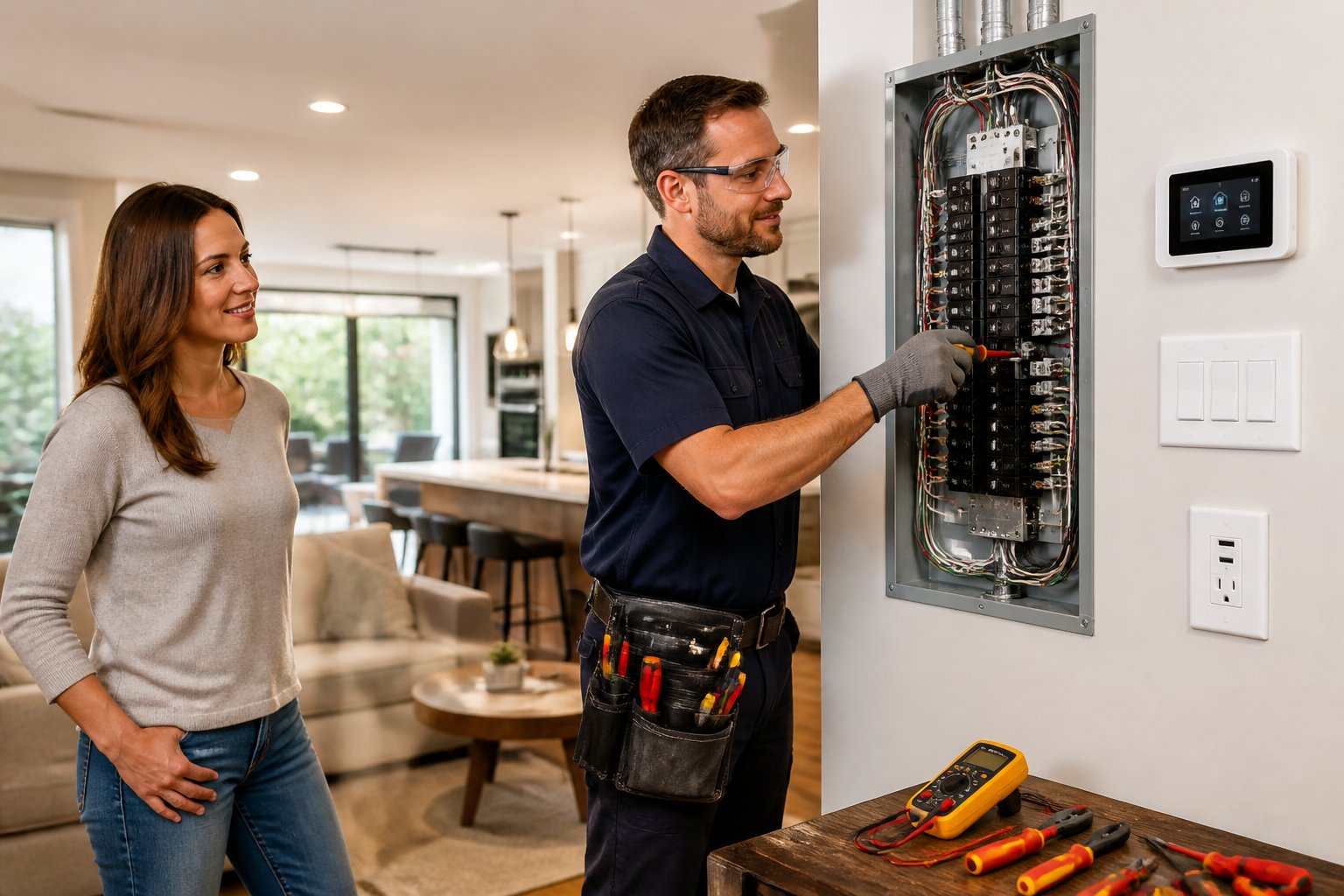
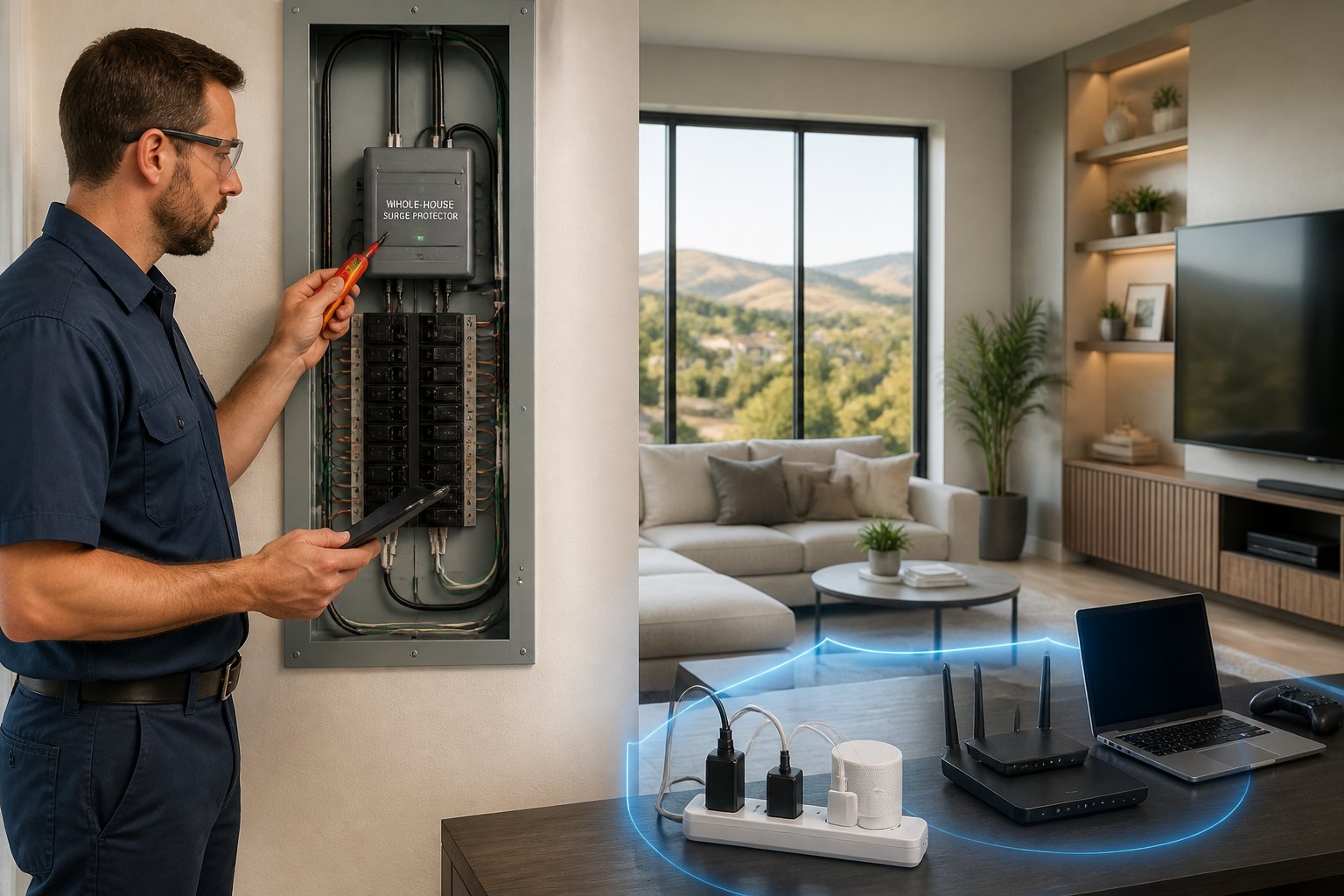
The electrical work covers the transfer switch, wiring, and tying everything into your panel. Solid workmanship here is key—clean connections mean better reliability and code compliance.
Installation From Start to Finish
From start to finish, installation includes planning, permits, pad placement, fuel hookup, electrical wiring, startup testing, and a homeowner walkthrough. A good crew should show you how the system starts, runs tests, and switches power.
With AAA Electrical Services, same-day service is often possible, flat-rate pricing is standard, and techs leave the work area clean. That kind of approach helps keep things simple and puts your family’s safety first.
Safety, Code, and Automatic Operation
Generator safety starts with the right equipment and the right installation. You can't treat a standby generator like a plug-and-play gadget—it has to work safely with your home’s electrical system and fuel supply.
Code compliance is just as important as performance. The right setup reduces fire risk, carbon monoxide exposure, and backfeed hazards.
Why an Automatic Transfer Switch Matters
An automatic transfer switch lets your generator take over when utility power fails. It disconnects your house from the grid, then reconnects when power returns.
That switch is a big safety feature—it stops dangerous backfeed into utility lines. Plus, it means you don't have to mess with wiring in the dark during an outage.
Code Compliance and Local Permitting Basics
Generator installation usually means permits, electrical inspections, and code requirements for placement and wiring. Those rules protect your home and help ensure the system works as it should.
In Folsom, it pays to have an installer who handles permits and knows the local rules. That can save you headaches and extra work down the road.
Placement, Ventilation, and Carbon Monoxide Safety
A generator needs open air and enough clearance, especially because exhaust gases can get dangerous fast. Never put a generator where exhaust could get into windows, doors, garages, or attic vents.
Ventilation also matters for service access and keeping things cool. A safe installation keeps the unit outside, follows clearance rules, and routes fuel and electrical lines the right way.
Cost, Value, and Long-Term Reliability
The price of generator installation is about more than just the generator. Your final cost depends on capacity, fuel source, electrical upgrades, pad work, trenching, and permits.
But the real value is in how backup power protects your comfort, food, electronics, and daily routine when the grid goes down.
What Affects Installation Price in Folsom
In Folsom, the biggest costs are generator size, transfer switch type, panel upgrades, fuel line work, and site prep. Homes with tight spaces or old electrical systems often need more labor.
Standby generators almost always cost more to install than portable units, since they’re permanent and need more electrical integration. A licensed installer should give you upfront pricing so you know exactly what you're paying for.
Fuel Source, Runtime, and Convenience Tradeoffs
Natural gas gives you longer runtime with no refueling, while propane is the go-to for homes without gas service. Portable generators usually run on gasoline, which means more storage and more trips to refuel.
Runtime matters if you want to ride out a long outage. Convenience counts too—standby generators start automatically, while portables need you to set them up each time.
How Backup Power Protects Comfort and Critical Home Systems
Backup power keeps your refrigerator, heating, cooling, lights, internet, and medical devices running. That can make all the difference during heat waves, cold snaps, or multi-hour outages.
A whole house generator also eases worries about food spoilage and home security. For a lot of folks, that peace of mind is the biggest benefit.
Maintenance and Monitoring After Installation
Once your generator’s in place, it still needs regular attention. Little things like a weak battery, dirty filters, or missed exercise cycles can hurt reliability if you let them slide.
Staying on top of maintenance keeps the system ready for the day you need it. It also protects your investment for the long haul.
Generator Maintenance Essentials
Maintenance usually means oil changes, filter checks, battery inspections, and a look at the control system. The schedule depends on your model and how often it runs.
Keep the area around the unit clear. Leaves, dirt, and storage can block airflow or make service harder than it should be.
Testing, Service Intervals, and Common Repair Needs
Most standby generators run scheduled self-tests to check readiness. During service, a tech might check the battery, coolant, spark plugs, and any error codes.
Common repairs often show up as startup trouble or warning lights. Catching these early can save you from a no-start disaster when the power's out.
Remote Monitoring and Ongoing Peace of Mind
Remote monitoring lets you track tests, alerts, and system status without guessing. That’s handy if you travel or just want to know the generator’s ready.
A lot of homeowners like getting alerts for low battery or communication issues. It's an easy way to make sure backup power isn’t forgotten.
Frequently Asked Questions
How much does it usually cost to install a whole-home generator?
Costs depend on generator size, installation complexity, panel work, and fuel connections. In many cases, whole-home generator projects run from several thousand dollars up, with labor and permits adding to the total.
What size generator do I need for a 2,000 sq ft home?
Square footage is a start, but it doesn’t tell the whole story. You need to know what you want to power—HVAC, fridge, lights, outlets—because load size matters more than just square feet.
Do I need a permit to install a standby generator at my house?
Yes, most of the time you do. Permits confirm code compliance, correct placement, and safe electrical connections, so your system gets installed the right way.
What is the 80% rule for generators, and why does it matter?
The 80% rule says you shouldn’t run a generator at full output all the time. Leaving headroom helps the system handle startup surges and cuts down on wear.
How long does a typical home generator installation take from start to finish?
Many installs take more than one visit, especially if permits, site prep, or panel upgrades are needed. A simple job may go quickly, but complex projects can take longer from first visit to final testing.
Can a portable generator be safely connected to my home with a transfer switch?
You can hook up a portable generator to your home safely, but only if you use the right transfer switch or an approved interlock—and honestly, it's best to get a pro to do the work. Plugging it into a wall outlet or using some makeshift cord? Please don't. That's a recipe for trouble, not to mention real safety hazards.