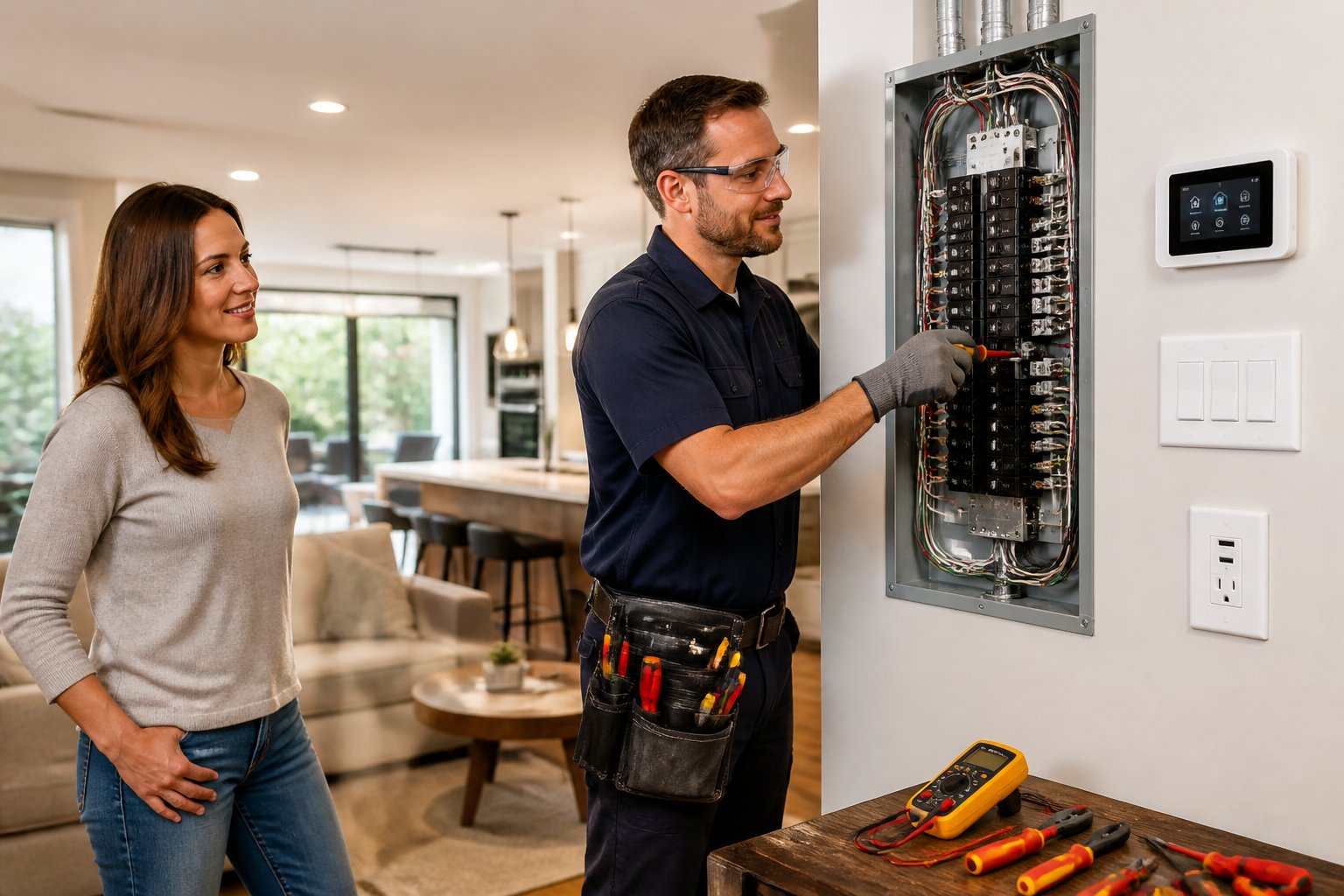
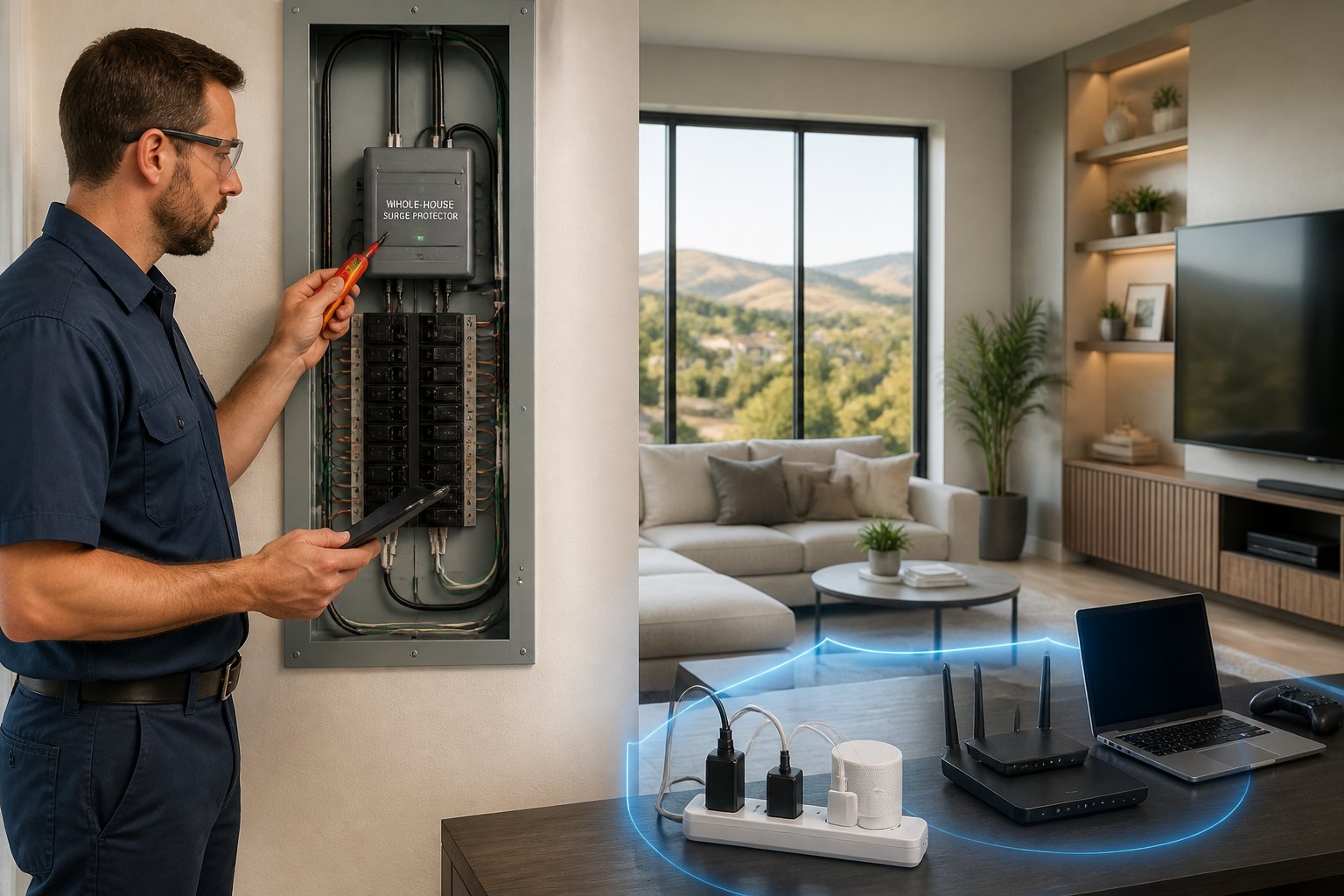
If you’re searching for home electrical repair services Lincoln CA, you probably want two things: safe work and a clear sense of what you’ll pay and get. Here’s the thing—most residential electrical repairs start with basic troubleshooting, a written plan, and a licensed electrician who can handle the fix without wasting your day.
Getting electrical work done by licensed pros really does give you peace of mind, especially when you’re dealing with power loss, tripping breakers, or old, tired parts. Around Lincoln, lots of homes need help with worn outlets, panel hiccups, lighting quirks, or the extra demand from new appliances and EV chargers.
A straightforward electrical service visit means you’ll know what the electrician found, what parts are needed, and whether they can finish the repair the same day or if a follow-up is coming.
Common Electrical Problems Lincoln Homeowners Should Fix First
Some electrical problems start out small, but they can snowball into bigger, riskier issues if you let them slide. The usual suspects? Unstable power, breakers that keep tripping, or outlets that randomly quit.
Most folks notice these things during daily routines—maybe when you flip on a lamp, plug in your phone, or run the blender. Quick electrical troubleshooting can help you catch the cause before it spreads.
Flickering Lights, Dead Outlets, and Intermittent Power
Flickering lights might mean a loose connection, overloaded circuit, or a dying fixture. Dead outlets and spotty power usually point to a busted receptacle, loose wire, or a breaker problem that needs fixing.
If one room keeps losing power, don’t just blame a bad bulb or a single outlet. When you’re calling for electrical repairs in the same spot over and over, there’s probably a wiring issue hiding out of sight.
Why a Tripped Breaker Keeps Coming Back
A tripped breaker that won’t stop resetting and tripping again? That’s usually a sign the circuit’s overloaded or something’s wrong. It’s not just a nuisance—it’s a warning.
You might need a dedicated circuit, a new breaker, or a closer look at what’s plugged in. An electrician can test the circuit and figure out whether it’s a simple fix or something bigger.
Warning Signs That Need Same-Day Attention
Call for help right away if you smell burning, spot scorch marks, hear buzzing from the panel, or feel hot outlets. Those are red flags—don’t wait and see.
Lightning strikes, sparking switches, and breakers that trip over and over also need fast attention. An electrician can find the problem, shut down the risk, and handle the repair safely.
What Home Repair Visits Usually Include
A good repair visit starts with electrical troubleshooting, then moves to testing, repair, and a final check. By the end, you should know what broke, what got fixed, and if anything else needs attention soon.
Most licensed electricians will give you simple pricing up front, including any service call fee. That way, you can compare your options without worrying about surprise charges.
Diagnostic Testing and Electrical Troubleshooting
First comes a visual check, then meter tests and circuit tracing. This helps the electrician figure out if the problem’s in the wiring, a device, the breaker, or the panel.
You’ll probably see the tech testing outlets, switches, lights, and voltage at different spots. That kind of troubleshooting saves time and means you don’t end up replacing stuff that’s actually fine.
Typical Repairs for Wiring, Outlets, and Switches
Common repairs? Swapping out worn outlets, tightening up loose switches, fixing connections, and patching damaged wiring. In a lot of Lincoln homes, that’s enough to solve the problem without tearing into bigger projects.
If the parts are on the truck, the repair might get wrapped up right then and there. That’s why it helps when your electrician comes prepared.
How Flat-Rate Pricing and a Service Call Fee Work
A service call fee usually covers the trip and the first diagnosis. After that, flat-rate pricing tells you the cost before any work starts.
It’s a lot easier than open-ended billing, especially for smaller jobs. You can compare, ask questions, and approve the work without feeling rushed.
Repairs and Upgrades That Improve Safety and Capacity
Not every visit is just about fixing what’s broken—sometimes it’s about making your home safer and more reliable. These repairs can cut down on annoying trips, lower fire risks, and help older systems keep up.
For plenty of homes, the best electrical service combines a repair with a small upgrade. That way, you knock out the current problem and make it less likely to come back.
Circuit Breaker and Panel Corrections
If a breaker won’t stop tripping, it could be weak, overloaded, or the panel itself needs work. A licensed electrician can check the breaker, the wires, and decide if it’s time for a replacement.
Older panels sometimes just need a tune-up—tightening connections, swapping out worn parts, or even a service upgrade. These fixes can make your system safer and better equipped for modern power use.
GFCI Outlets in Kitchens, Bathrooms, and Outdoor Areas
GFCI outlets are a must wherever water and electricity might mix. Think kitchens, bathrooms, laundry rooms, garages, and outside.
If a GFCI keeps tripping, it could be working as designed or it might be faulty. A quick check can tell you which, and a repair or swap can get things back to normal.
Service Upgrades for Older or Growing Homes
Older homes weren’t designed for today’s demands. New appliances, hot tubs, EV chargers, and home offices can push your system to its limits.
A service upgrade adds capacity and helps your home keep up. If you’re adding more gear or just tired of pushing your luck, this upgrade can be a game changer.
High-Value Installations Often Done During Repair Calls
A repair visit is a great time to add something your home’s been missing. When the electrician’s already testing circuits and opening things up, you can often handle small upgrades without extra hassle.
These add-ons can boost convenience, cut down on overloads, and get your home ready for what’s next. It’s often easy to combine repairs with a few upgrades in one go.
Dedicated Circuits for Appliances and Home Offices
Dedicated circuits stop major appliances from fighting over power. That’s important for microwaves, fridges, laundry machines, and home office setups with computers and printers.
If your lights dim when something big kicks on, a dedicated circuit could fix it. It’s also a smart way to avoid nuisance trips and get steadier electrical service.
EV Chargers for Future-Ready Homes
EV chargers need their own circuit and sometimes a panel check before you install. If you’re already having repairs done, it’s a good moment to plan for charging.
Adding an EV charger during a service visit can save you time and headaches later. It fits right in with other upgrades if your system’s nearly maxed out.
LED Lighting Upgrades and Landscape Lighting
LED upgrades can drop your energy bills and cut down on heat. If you’re already having fixtures or switches checked, it’s the perfect time to swap in LEDs.
Landscape lighting’s another popular add-on. It can boost curb appeal, light up walkways, and make your yard safer at night—all without a huge electrical overhaul.
How to Choose the Right Professional for the Job
You want a licensed electrician who’s easy to talk to and treats your home with respect. Look for someone who explains the problem, gives you pricing before starting, and leaves things tidy.
A good electrical contractor should be insured and know the local codes. Whether you need a quick repair or a bigger upgrade, that stuff matters.
Why Licensing, Insurance, and Background Checks Matter
Licensing means the tech has real training for home electrical work. Insurance protects you if something goes sideways.
Uniformed, background-checked electricians add peace of mind when someone’s working in your house. Companies like AAA Electrical Services make this a priority.
Questions to Ask About Experience, Parts, and Scheduling
Check if the company has handled your type of problem before—breaker repairs, outlets, panels, whatever. Ask if their vans are stocked for same-day fixes.
A stocked van usually means you’ll get things sorted in one visit. That’s a big deal when you want your electrical issue handled fast.
What Good Communication and Clean Workmanship Look Like
Good communication means you get a clear diagnosis, a fair price, and updates if anything changes. You should never feel rushed.
Clean work counts. A pro should protect your floors, label things clearly, and leave your home as neat as they found it.
Preventing Repeat Issues and Planning Ahead
After the repair, a bit of planning can help you dodge the same headache next time. Regular checkups, smart upgrades, and managing your electrical load keep things safer and more reliable.
This is especially handy if you’re adding appliances, remodeling, or gearing up for EV charging. A few steps now can save you from bigger problems later.
When to Schedule Inspections After Repairs
If you’ve had frequent trips, burning smells, old wiring, or panel work, book a follow-up inspection. It’s a chance to make sure everything’s holding steady.
It’s smart after storms, remodels, or any big troubleshooting job. A quick inspection can catch weak spots before they turn into another call.
Preparing for Remodels, Added Loads, and Home Electrification
Remodels often mean new lights, outlets, and more demand. If you’re planning one, ask about service upgrades and dedicated circuits before you start.
Same goes for EV chargers, hot tubs, and other power-hungry gear. Plan the electrical side early—it’ll save time and make things safer.
Simple Ways to Reduce Future Electrical Problems
Don’t overload extension cords or power strips. Watch for warm outlets, frequent trips, and flickering lights when appliances start up.
Have aging outlets, switches, and GFCIs checked before they give out. Small troubleshooting visits now beat big repairs later.
Frequently Asked Questions
How much does a residential electrician typically charge per hour?
Rates depend on where you live, the job, and what parts are needed. In Lincoln, hourly prices run higher than basic handyman work because licensed electrical service covers training, testing, and safety.
What are the most common signs of electrical wiring problems in a home?
Look for flickering lights, warm outlets, frequent breaker trips, buzzing noises, and outlets that stop working. A burning smell or lights dimming when appliances kick on are also clues.
When should I call an electrician for a tripping breaker or flickering lights?
Call as soon as the problem keeps coming back—especially if the breaker trips again after you reset it. Flickering lights that happen a lot, hit several rooms, or come with heat or burning smells need quick attention.
Can an electrician troubleshoot and fix outlets or switches that stopped working?
Absolutely. A licensed electrician can test the circuit, find the problem, and swap out outlets or switches as needed. Most of these repairs can be done during the same visit if the parts are handy.
What’s the difference between the main types of electricians and which one do I need?
For home issues, you want a residential electrician or contractor who handles repairs, upgrades, and installs for houses. If your job involves panels, circuits, lighting, EV chargers, or code work, that’s your best bet.
Do I need a permit for home electrical repairs, and can the electrician handle it?
Whether you need a permit really depends on what you're doing and where you live. Swapping out a light bulb? Obviously not. But if you're upgrading your panel or adding new circuits, chances are, you'll need one. A good electrician will usually know the local rules and can walk you through what's required. Most of the time, they’ll just take care of the permit paperwork for you, so you don’t have to stress over it.