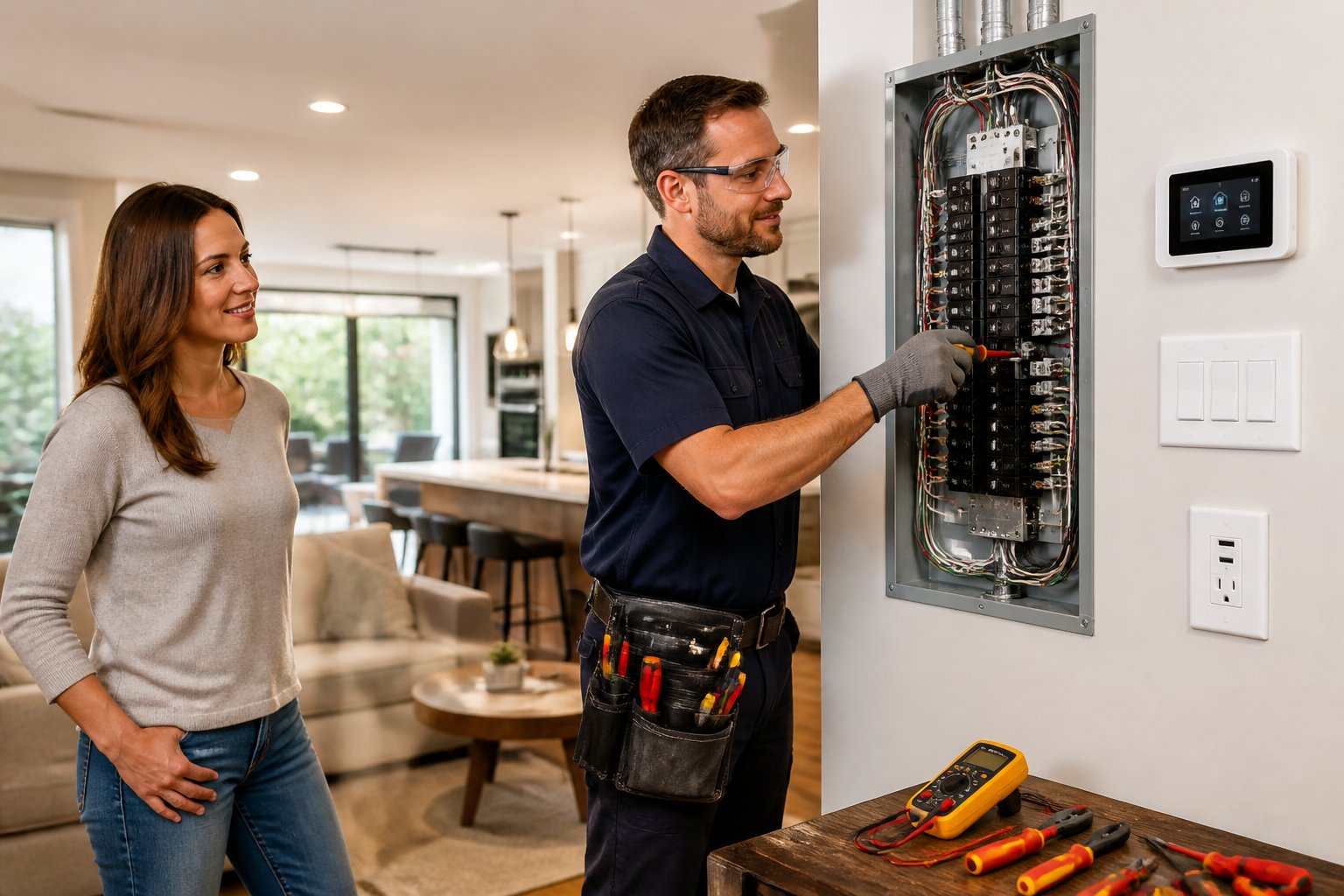
How to improve family safety with electrical inspections really starts with catching small problems before they turn into something much worse. A good home electrical inspection helps protect your family, lowers fire risk, and keeps your system ready for busy, modern living. For Sacramento-area homeowners, this matters whether you're in a newer Natomas house or an old place in Carmichael, Roseville, or Elk Grove.
A professional inspection gives you a real sense of your electrical safety, from hidden wiring issues to overloaded circuits or aging panels. It also helps you plan upgrades, improve reliability, and dodge surprise repairs. If you want fewer hazards and more peace of mind, regular electrical safety inspection visits just make sense.
Key Takeaways
- Small warning signs can point to serious hazards.
- Older wiring and panels need extra attention.
- Regular inspections support safer, more reliable homes.
What A Home Electrical Inspection Protects Your Family From
A thorough home electrical inspection helps reduce risks you probably won't notice in daily life. It also gives you a safer starting point for electrical safety, especially if your home has older parts or has been remodeled.
Preventing Electrical Fires And Electrical Shocks
Electrical fires often start with bad wiring, loose connections, or overloaded circuits. An inspection helps spot problems so you can fix them before they turn into fires. It also cuts the chance of shocks from damaged outlets, exposed wires, or missing safety devices.
Homes with outdated wiring, aluminum wiring, or knob-and-tube systems need extra care. These materials still pop up in older Sacramento homes, and they just don't handle today's appliances and electronics as safely as modern wiring.
How Inspections Catch Hidden Hazards Behind Walls
A lot of electrical hazards stay hidden until a pro takes a look. A home electrical inspection can reveal overheating, damaged insulation, sketchy splices, and overloaded circuits—stuff you’d never notice just looking at a wall plate or switch.
Some of the worst risks develop slowly inside walls, attics, or crawl spaces. Electrical safety inspections help catch those issues early, giving you time to fix them before they become emergencies.
Why Older Homes Need Extra Attention
Older homes often still have original wiring, outdated outlets, or panels that just weren't built for today’s electrical needs. Even if everything seems to work, it might not be as safe or reliable as newer equipment.
If you’ve got aluminum wiring, knob-and-tube, or old service equipment, you’ll want to check for proper grounding, circuit protection, and code concerns. A detailed inspection helps you decide if you need repairs or a bigger upgrade.
Warning Signs You Should Not Ignore
Some warning signs look minor but point to bigger issues inside your electrical system. If you notice changes in how your home behaves, don't ignore them.
Flickering Lights And Frequent Power Surges
Flickering lights can mean loose wiring, a bad connection, or a circuit that’s overloaded. Power surges might mean old equipment, weak protection, or trouble in the panel.
If you notice both at once, your system’s probably trying to tell you something. In most homes, these are good reasons to schedule electrical inspections soon.
Tripped Breakers, Warm Outlets, And Burning Smells
A circuit breaker might trip now and then, especially if you plug in too much. But if it keeps happening, you could have overloaded circuits, worn parts, or a safety issue inside the panel.
Warm outlets or a burning smell from any outlet? That’s urgent. Those can mean heat buildup, loose connections, or damaged wiring that really needs an electrician’s attention.
When Small Symptoms Point To Bigger Safety Problems
Old electrical panels can’t always keep up with modern loads, especially with new appliances, EV chargers, or lots of electronics. What seems like a small symptom could actually be a sign of a bigger panel or wiring issue.
If you keep seeing the same warning signs, don’t wait for a total outage or visible damage. An electrical safety inspection can help you get ahead of serious problems.
What Electricians Check During The Visit
A pro uses an electrical inspection checklist to look at safety, capacity, and code issues. They’ll check the panel, wiring, grounding, and safety devices so you know where you stand.
Electrical Panels, Breaker Sizing, And Circuit Loads
An electrical panel inspection checks for overheating, corrosion, and wear, plus whether the panel can keep up with your home. The electrician also checks for proper labeling, safe conditions, and if the breakers match the circuits.
Breaker sizing is important—using the wrong one can leave wires unprotected or cause annoying trips. Reviewing circuit loads helps make sure appliances, lights, and outlets are within safe limits.
Wiring, Grounding, And Bonding
The electrician looks for visible damage, bad connections, and any old modifications that don’t meet today’s standards. Grounding and bonding get checked, since they direct stray current safely away from you and your stuff.
They’ll review the grounding electrode and look for signs of improper grounding. The inspection gets compared to the national code and your home’s real condition, then summarized in an inspection report you can actually use.
GFCI, AFCI, And Safety Device Testing
The electrician tests GFCI outlets and checks for GFCI protection where you need it: kitchens, baths, garages, laundry rooms, and outside. A GFCI cuts shock risk by shutting off power fast if it detects a problem.
AFCI protection is checked in living areas to help prevent fires from arc faults. If needed, the electrician might suggest updates, more GFCIs, or bringing safety devices up to current standards.
Safety Upgrades That Often Follow An Inspection
Inspections often lead to upgrades that make daily life safer and more reliable. They can also help with energy efficiency and make your system more ready for modern equipment.
Panel And Breaker Improvements For Modern Loads
If your panel’s old or too small, panel and breaker improvements might be next. That can boost capacity for heating, kitchen gear, EV chargers, generators, or future additions—without overloading anything.
These upgrades also help with long-term reliability. In a lot of Sacramento homes, a stronger panel is part of making the electrical system safer and more future-proof.
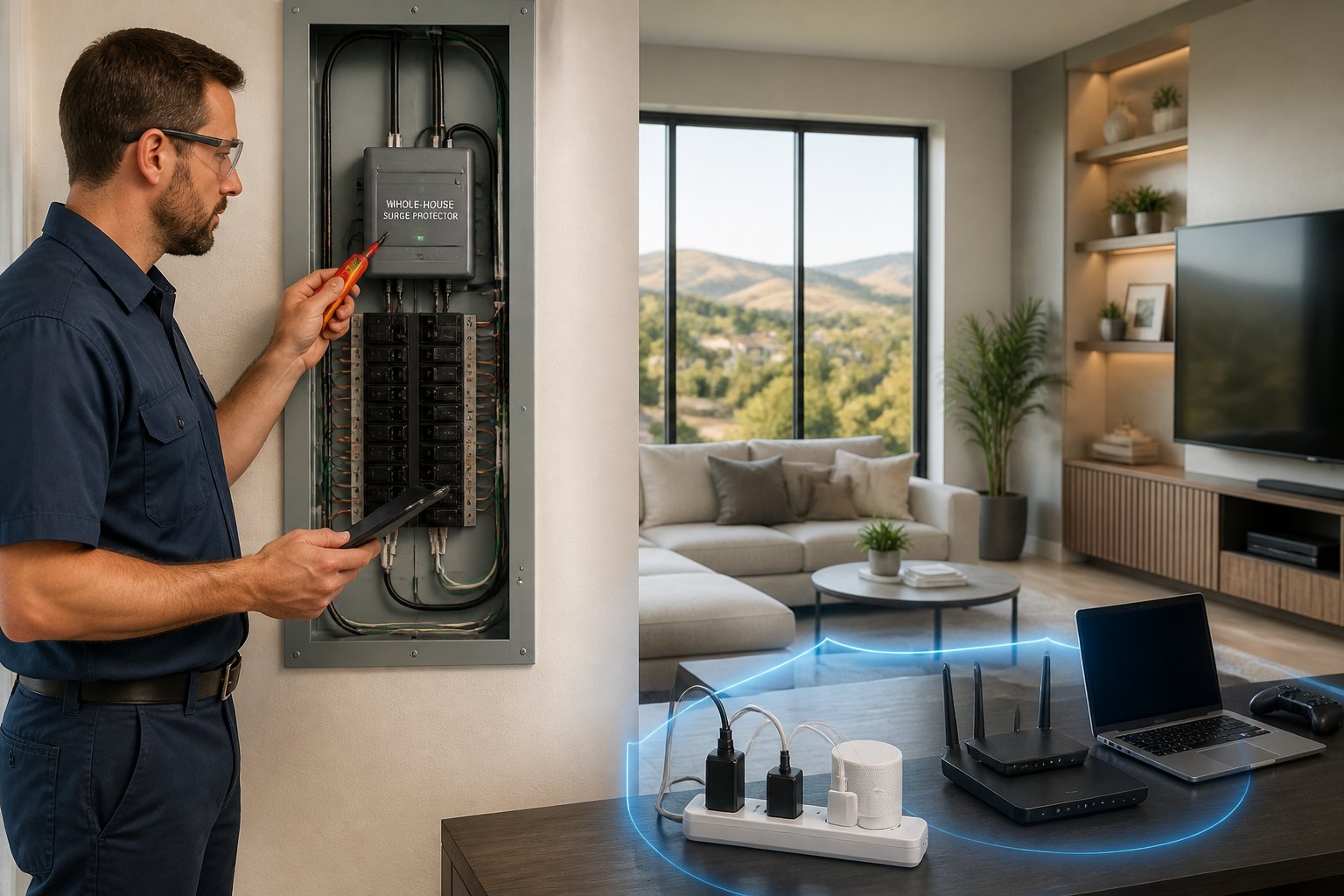
Surge Protection For Appliances And Electronics
A whole-home surge protector helps guard sensitive appliances and electronics from voltage spikes. This is especially helpful if you work from home, have lots of smart devices, or just want to protect your expensive stuff.
Surge protection is often suggested if your home has no defense or if the old equipment’s outdated. It’s a straightforward way to add safety without changing how you use your home.
Outlet, Detector, And Child-Safety Improvements
Inspection results might mean you need outlet covers, better receptacles, or stronger smoke detectors and carbon monoxide alarms. These small changes can make a big difference for family safety.
You might also need outlet replacements, tamper-resistant outlets, or other childproofing in busy areas. When you combine these with regular maintenance, your home stays safer and more reliable.
When To Schedule An Inspection In Sacramento-Area Homes
Electrical inspections matter most when your home has changed, gotten older, or you’re using more power. A timely inspection helps you catch issues early and plan upgrades before things get urgent.
After Buying, Remodeling, Or Major Electrical Changes
Get a home electrical inspection after you buy, especially if the house is older or has changed hands a lot. Remodeling, kitchen updates, and service changes are also great times to book one—new loads can expose weak spots.
If you’ve added lights, outlets, fans, or other features, an electrician can double-check that your system still matches your needs. That review helps you avoid hidden issues after the project’s done.
For Aging Homes And Outdated Service Equipment
Older homes in Sacramento, Fair Oaks, Folsom, Auburn, and nearby areas might still have outdated service equipment that needs attention. An inspection helps you decide if you need maintenance, repairs, or a panel upgrade.
Even if everything seems to work, old parts can limit safety and reliability. Regular inspections are a smart way to stay ahead of wear and keep your home ready for everyday life.
Before Adding EV Chargers, Generators, Or Other High-Demand Equipment
Before you add EV chargers, generators, or anything that uses a lot of power, have an electrician check your capacity. That helps you avoid overloads and makes future planning easier.
An inspection also supports planning for energy efficiency and long-term reliability. If you need upgrades first, you’ll know before you install new equipment.
Choosing The Right Professional And Next Steps
The right electrician should explain things clearly, treat your home with respect, and only recommend what you truly need. Honestly, good communication matters as much as technical skill when you’re looking out for your family.
Why A Licensed Electrician Matters
A licensed electrician brings training, code knowledge, and real-world experience to the job. That’s important when you need someone who can spot hazards, explain your options, and handle urgent repairs.
At AAA Electrical Services, you can expect clean, respectful techs, clear flat-rate pricing, and stocked trucks so repairs go faster if you need them. That approach means safer results and less hassle at home.
What To Expect From The Inspection Report
A solid inspection report should tell you what got checked, what was found, and which things need attention now or later. It should also give you clear steps for maintenance, repairs, or upgrades.
You ought to be able to use that report to make smart choices—no pressure. The best reports make it easier to plan improvements and keep your home safer.
How Ongoing Maintenance Builds Long-Term Peace Of Mind
Ongoing maintenance helps you stay ahead of wear, especially if your home’s older or your power needs are growing. Regular checkups can cut surprise repairs and keep things running better.
For Sacramento-area homeowners, ongoing care is one of the easiest ways to protect your family and investment. When your system gets inspected, maintained, and updated as needed, your home feels safer and more dependable.
Frequently Asked Questions
How often should we schedule an electrical inspection at home to keep everyone safe?
A lot of homeowners do well with an inspection every few years, sooner if the home’s older or you’ve made changes. If you’ve got old wiring, an outdated panel, or a history of issues, more frequent checks make sense.
What warning signs at home mean we should book an electrical inspection soon?
Flickering lights, repeated tripped circuit breakers, warm outlets, burning smells, and frequent power surges are big red flags. If a problem keeps coming back, your system’s probably warning you about something deeper.
What does an electrician typically check during a home electrical safety inspection?
An electrician usually checks the panel, breakers, wiring, outlets, grounding, GFCI and AFCI devices, and looks for overheating or code problems. The goal is to spot hazards, make sure things are safe, and suggest repairs or upgrades if you need them.
How can we childproof outlets and cords while we wait for an inspection?
Use outlet covers or tamper-resistant outlets, keep cords out of walkways, and don’t overload power strips. If an outlet feels warm or looks damaged, stop using it and get it checked out.
What should we do if we notice flickering lights, warm outlets, or a burning smell?
Treat those signs as urgent. Don’t use the affected outlet, switch, or circuit. If the smell’s strong, turn off power to the area if you can do it safely, and call a licensed electrician right away.
How can we prepare our home so the electrician can complete the inspection quickly and safely?
Make sure the electrician can easily get to the electrical panel, outlets, attic openings, and crawl spaces—if you've got those. Honestly, it's worth jotting down any issues you've noticed: maybe breakers tripping, weird surges, or lights that flicker for no reason. That way, the inspection can zero in on what actually matters.