Summer heat strains your home’s electrical system long before a breaker trips or a light flickers. In Sacramento, that strain builds fast on hot afternoons when air conditioners, fridges, fans, EV chargers, and pool equipment all pull power at once.
To boost reliability during Sacramento heat-related outages, start by easing the stress on your electrical system before the hottest days hit, protect the most important circuits, and know when it’s time to call a licensed electrician for an inspection or same-day repairs.
Taking these steps does more than just keep you comfortable. You’re also protecting your family, limiting equipment damage, and making sure critical power stays on when the grid is under pressure.
Key Takeaways
- Heat puts extra strain on wiring, breakers, and panels.
- Small electrical fixes can prevent bigger summer failures.
- Backup planning keeps essential loads running safely.
Why Sacramento Homes Lose Power During Extreme Heat
Sacramento heat waves push your home and the local grid harder than usual, raising the risk of outages. When temperatures stay high day and night, electrical parts run hotter, cooling systems work longer, and neighborhood demand spikes.
How Heat Waves Push Home Electrical Systems Harder
During extreme heat, air conditioners may run almost nonstop, especially in homes across Sacramento, Roseville, Elk Grove, and Citrus Heights. That long runtime wears out breakers, wiring, outlets, and panel parts—especially if anything’s already old or loose.
Heat makes electrical parts less forgiving. A weak connection or worn breaker that seemed fine in spring can start failing when the system stays under heavy load for hours.
What Peak Demand Means For Neighborhood Reliability
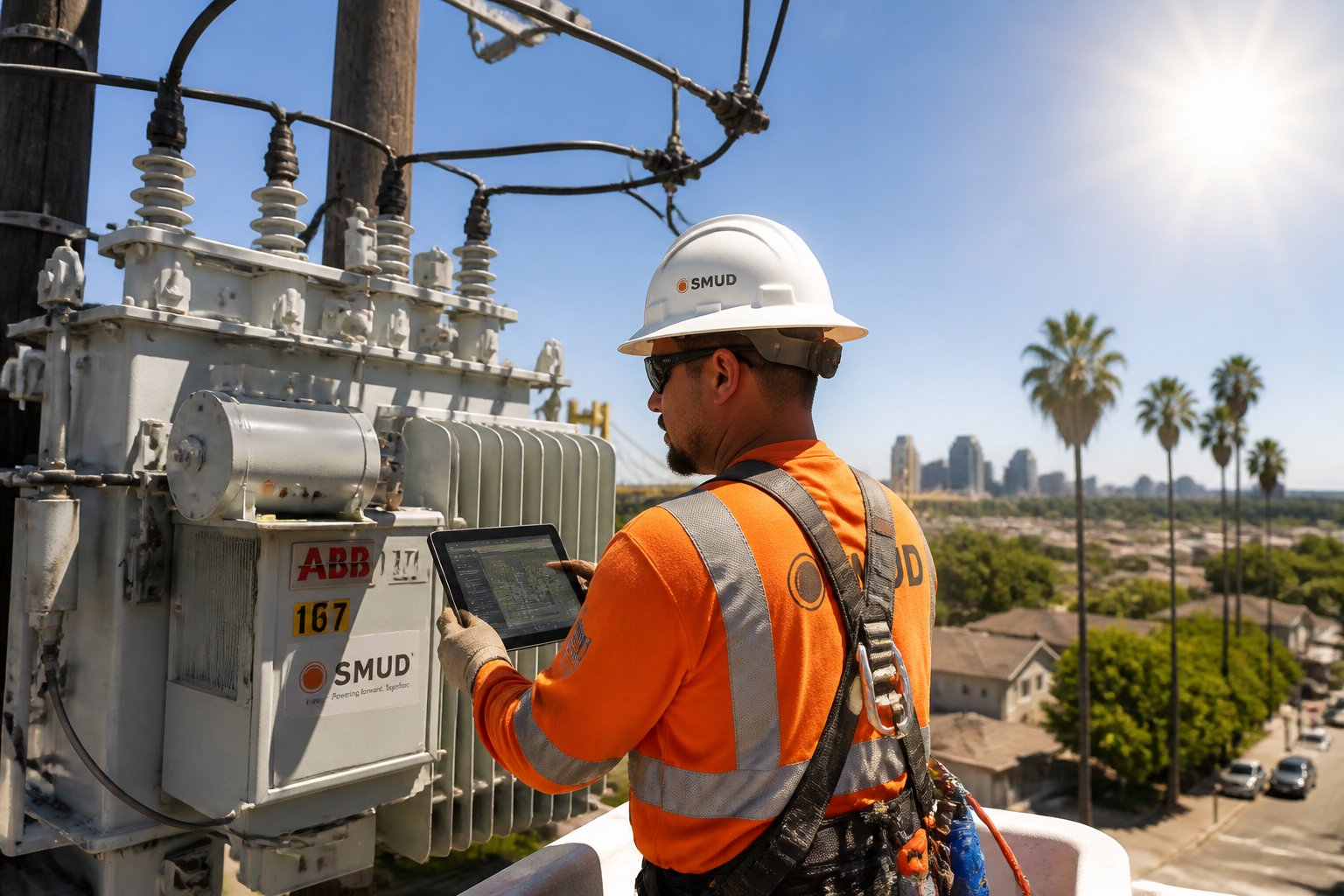
Peak demand hits when lots of homes use electricity at the same time, usually late afternoon and early evening. When that spike comes during a heat wave, local equipment and the grid get stressed, which can hit electric reliability for everyone.
That’s why Sacramento-area outages often follow the hottest part of the day. The system’s just struggling to keep up with a sudden surge in cooling demand.
Why High Overnight Temperatures Increase Equipment Stress
When nights stay warm, your home doesn’t get a break. Air conditioners, fridges, and ventilation keep working, and that extra runtime adds heat to panels, motors, and wiring.
Warm nights also make it harder to spot a problem early. A circuit that’s slowly overheating might keep running until it fails during the next heat spike.
The Fastest Ways To Improve Reliability At Home
You’ll get the quickest reliability boost by fixing worn electrical parts before they fail. Small issues in the panel, on breakers, and at connections can cause big summer headaches if you wait too long.
Replace Weak Breakers And Heat-Stressed Components
If a breaker trips often, feels hot, or looks old, it probably needs replacing. Heat-stressed parts can’t carry load safely, especially during long cooling cycles.
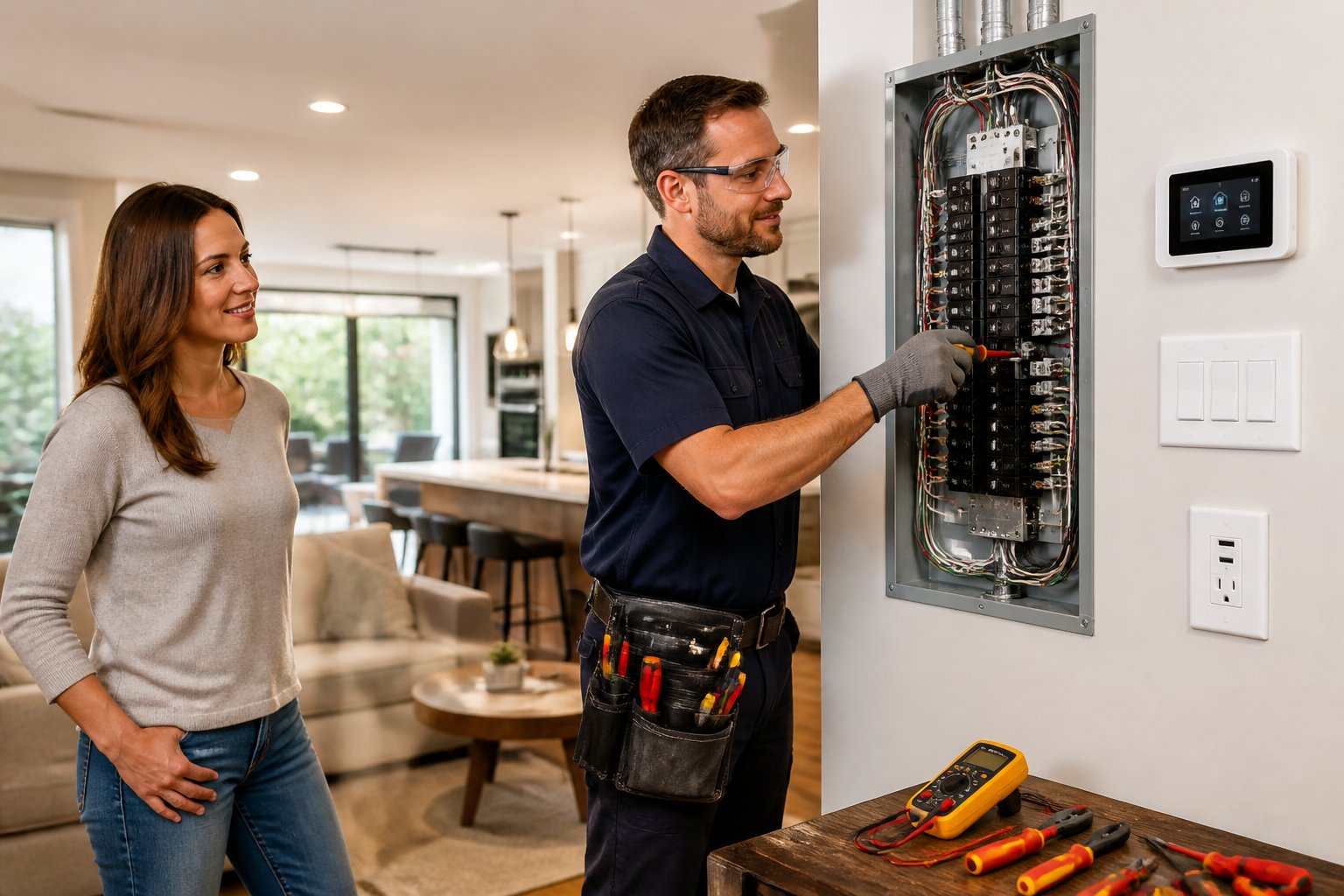
A licensed electrician can check if the breaker itself is weak or if the real issue is overload, damaged wiring, or a failing appliance. You want an honest diagnosis so you don’t end up swapping the wrong part.
Address Loose Connections Before They Fail
Loose connections are a classic cause of summer electrical trouble. They create resistance, which creates heat and can damage outlets, switches, panels, and feeder wires.
If you notice buzzing, burning smells, discoloration, or a warm panel cover, get service right away. AAA Electrical Services can send a stocked service vehicle for same-day troubleshooting in many Sacramento neighborhoods, speeding up repairs when safety’s at stake.
Upgrade Older Panels That Cannot Handle Modern Loads
A lot of older homes just weren’t built for today’s electrical demand. Add central air, an EV charger, a home office, and kitchen appliances, and that old panel may be maxed out.
A panel upgrade can boost reliability, reduce nuisance tripping, and give you room for future needs. It’s a smart move if you want to support new equipment without overloading your system.
Reduce Electrical Strain On The Hottest Days
Smart load management helps keep the power on when it’s blazing outside. A few schedule tweaks and equipment habits can ease stress on your circuits and help you dodge preventable outages.
Shift Heavy Appliance Use Outside Late Afternoon Peaks
Try to run dishwashers, laundry, and other heavy appliances earlier in the morning or later at night. That lowers demand during the hottest part of the day, when your cooling system already needs the most juice.
If you can stagger appliance use, you cut the chance of overloading shared circuits. Even a small change like this makes a real difference in homes with older wiring or limited panel space.
Set Up Cooling And Major Circuits For Better Load Balance
Your air conditioner, portable coolers, kitchen appliances, and home office gear shouldn’t all fight for the same circuit. Balanced loads help your system run smoother and lower the odds of a breaker trip.
If some rooms run hotter than others, an electrician can suggest outlet, circuit, or fan upgrades to improve airflow and reduce strain. That’s especially handy in bigger homes or older places in Folsom, Fair Oaks, and Natomas.
Plan Around EV Charging And Other High-Demand Equipment
EV charging pulls a lot of power, especially if you’re charging during peak cooling hours. Scheduling it overnight or using a dedicated circuit can save your panel from unnecessary stress.
Same goes for hot tubs, workshop tools, and other big draws. A little planning supports better electric reliability and helps your home handle summer use more safely.
Protect Critical Circuits When Outages Happen
When the power goes out, your backup plan should focus on what matters most. You don’t have to power everything—just the stuff that keeps you safe, comfortable, and connected.
Choose Between Whole-Home And Essential-Circuit Backup Power
A whole-home generator can run nearly everything, including central AC, while an essential-circuit setup covers key loads like fridges, lights, and outlets. The right pick depends on your budget, your panel, and how long you want backup power.
If you’re in Sacramento, Rocklin, Rancho Cordova, or Auburn, a licensed electrician can help you compare generator installation options and size things up right. That way, your backup plan is realistic and safe.
Use Surge Protection To Guard Electronics And HVAC Equipment
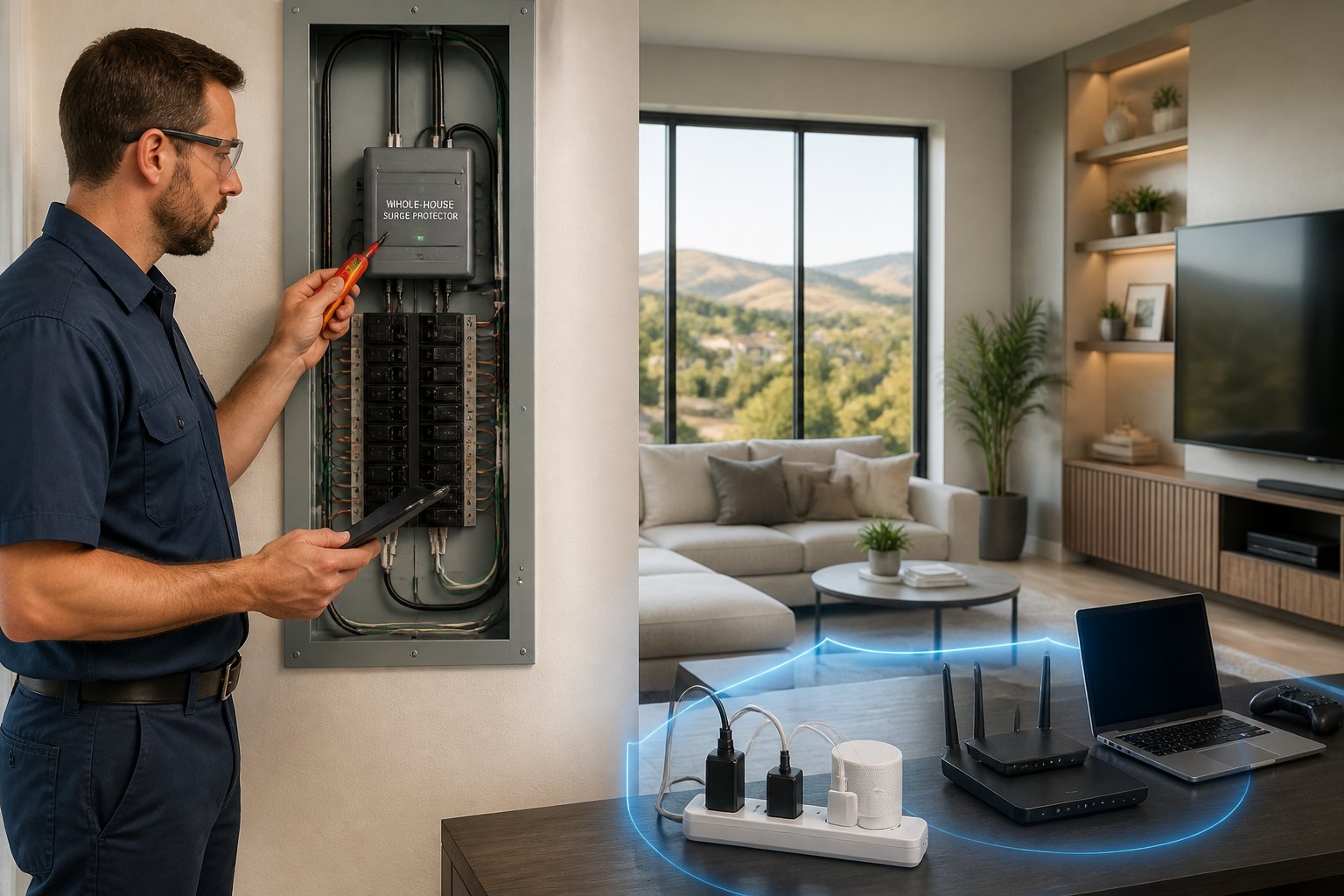
When power comes back after a blackout, damaging voltage spikes can hit your home. Whole-home surge protection helps shield electronics, smart thermostats, fridges, and HVAC controls from those hits.
Point-of-use surge strips help too, but they don’t replace panel-level protection. A layered approach gives you better odds when the grid flickers back on.
Prepare Refrigeration, Medical Devices, And Home Office Loads
If you rely on refrigerated medicine, oxygen gear, or remote work tools, you need a clear outage plan. Keep backup batteries charged, know which outlets are on protected circuits, and stash important phone numbers where you can get them without internet.
For longer outages, decide which devices you absolutely need and which can wait. A little planning protects food, covers medical needs, and keeps your workday from falling apart during a summer disruption.
Know When Your Electrical System Needs Professional Attention
Your electrical system usually drops hints before a serious summer failure. Catching them early can save you from losing cooling, ruining appliances, or facing a bigger repair during a heat wave.
Warning Signs Like Tripping Breakers And Dimming Lights
Frequent breaker trips, flickering lights, warm outlets, buzzing panels, and slow appliances all point to trouble. Dimming lights when the AC kicks on is a classic sign your system’s struggling.
If you notice these symptoms, don’t wait for the next outage. A same-day visit from a licensed electrician can often catch the issue before it turns into something bigger.
How Preventative Inspections Catch Summer Failure Risks
Preventative inspections give your system a health check before summer peaks. An electrician looks for loose connections, aging breakers, panel overheating, weak circuits, and other risks that aren’t obvious from the outside.
This is especially valuable in older Sacramento homes where wiring and panels may have been upgraded in stages. You’ll get a clearer sense of what needs attention now and what can wait.
When Same-Day Repairs Make The Most Sense
Same-day repairs make sense when there’s a safety issue, a failed cooling circuit, a dead panel, or a critical load with no power. Fast service is crucial during extreme heat—waiting can mean comfort and health risks.
A respectful, clean tech with a stocked van can often handle common repairs on the first visit. That means less downtime, fewer delays, and more peace of mind for your household.
How Grid Conditions Affect Local Service Expectations
Local service expectations shift with regional grid stress, weather, and utility planning. You can’t control the grid, but you can make better choices if you know the summer risk outlook.
How Regional Reliability Assessments Shape Summer Risk
Regional reliability assessments check supply, demand, weather, and backup resources before summer peaks. These evaluations help figure out if the grid can handle heat waves and peak demand without rolling outages.
For homeowners, it’s not just about your own panel. Broader system conditions can change fast during long hot spells.
What NERC And California Heat Events Mean For Homeowners
NERC and California summer planning both highlight the same thing: extreme heat puts major stress on electric systems. When a heat event drags on, demand rises while equipment, generation, and transmission all face extra strain.
That means you really need to prepare early. If your home already shows signs of overload, the next heat wave might push it over the edge.
Why Resilience Planning Matters In Older Sacramento Neighborhoods
Older Sacramento neighborhoods have plenty of charm, but some still rely on electrical systems built for much lower demand. Add modern AC, electronics, and EV charging, and there’s not much margin for error.
Resilience planning helps you close that gap before summer hits. For many homeowners in Carmichael, Woodland, El Dorado Hills, and Lincoln, that means inspections, panel upgrades, surge protection, and backup planning that fit the home’s age and load.
Frequently Asked Questions
What supplies should I keep at home for a multi-day power outage?
Keep flashlights, batteries, charged power banks, bottled water, shelf-stable food, first-aid supplies, and a battery radio. If you depend on powered medical equipment, have backup batteries and a written plan ready in case the outage drags on.
Which foods are best to store that don’t require refrigeration during a blackout?
Stock up on canned beans, tuna, soups, nut butters, crackers, granola bars, dried fruit, and shelf-stable milk or plant milk. Pick foods your household likes so you can actually use them and avoid waste.
How can I keep my home cooler safely when the power goes out during extreme heat?
Close blinds during the day, move to the lowest level of the house, and use battery-powered fans if you have them. If you feel dizzy, weak, or confused, head to a cooling center or another air-conditioned spot right away.
What’s the easiest way to create backup power for essential devices like phones and medical equipment?
A charged portable battery station or power bank is the simplest place to start. For longer support, a licensed electrician can help you plan a generator or essential-circuit backup that fits your needs and your home’s setup.
How can I protect refrigerated and frozen food when the electricity is out?
Keep fridge and freezer doors closed as much as possible. A full freezer stays cold longer, so group items together and use a thermometer if you have one to check temps.
What should I do to stay safe if a heat-related outage happens at night?
Grab some battery-powered lights—candles might seem cozy, but honestly, they're not worth the fire risk. Keep some water close; you'll probably get thirsty faster than you expect. And really, don’t even think about firing up anything that burns fuel inside. If your place starts feeling way too hot, don’t try to tough it out—head over to a cooling center, a friend’s place, or anywhere with reliable AC. Just get somewhere safer, even if it feels like a hassle.