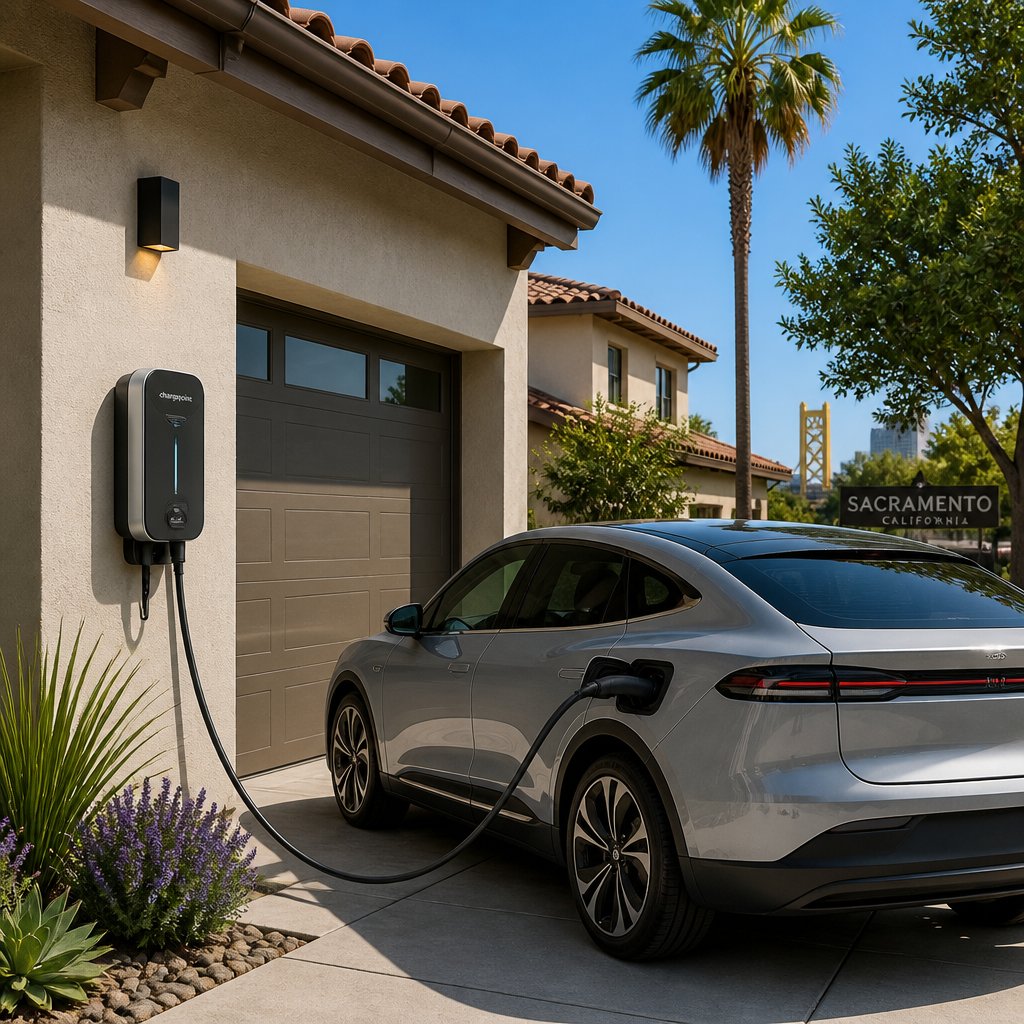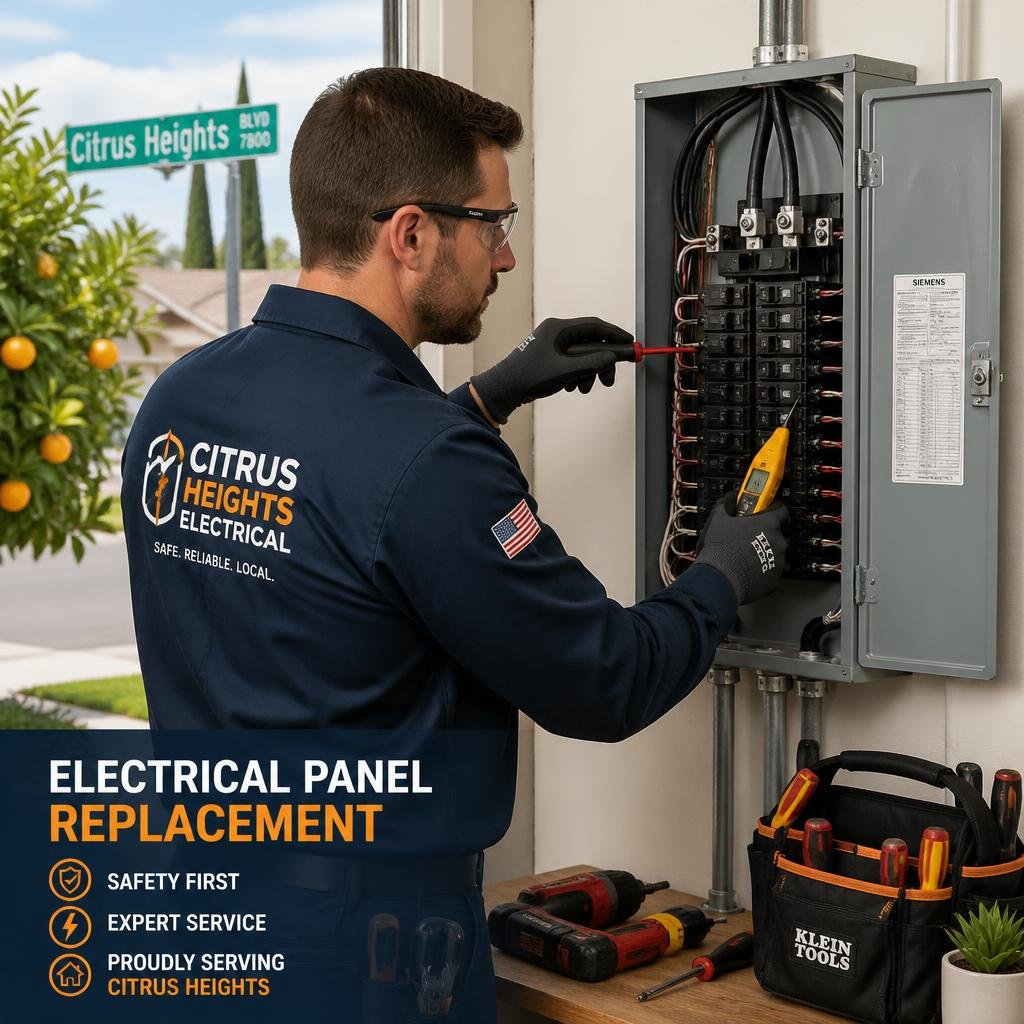
If your home’s lights flicker, breakers trip, or your panel looks old, you probably need a solid plan for replacement in Citrus Heights. Replacing your panel brings back reliable power, lowers fire risk, and opens the door for modern needs like EV chargers and extra circuits.
Let’s break down what a panel swap involves, how it improves safety and capacity, and what you can expect from permits, costs, and same-day service options locally. AAA Electrical Services sends out licensed pros, uses flat-rate pricing, and keeps vans stocked for quick fixes—so you can feel safer while the work gets done.
We’ll also touch on how to pick the right panel, prep your home for the job, and keep your system running well with a few easy maintenance tips.
What Are Panel Replacement Services?
Panel replacement services cover the inspection, removal, and installation of your home’s main electrical panel and breakers. The goal? Make sure your system meets current safety codes, supports your power needs, and lowers the risk of overloads or fire.
Overview of Electrical Panels
An electrical panel splits power from the utility into your home through breakers or fuses. The main breaker shuts off the whole house, and branch breakers protect separate circuits like your kitchen, HVAC, or EV charger.
Panels have metal enclosures with labeled circuits, making it easier for electricians to find and fix issues.
Techs look for corrosion, overheating, loose connections, and sketchy wiring like double-tapped breakers. They’ll check grounding and bonding for shock protection.
When licensed pros handle your electrical work, you get peace of mind.
Types of Panel Upgrades
You’ll see upgrades like swapping out an old 60-amp panel for a modern 100–200 amp one to handle more appliances or new tech. Some upgrades add more circuit spaces, arc-fault or ground-fault protection, or breakers that don’t trip for no reason.
You might want a subpanel for a garage or outbuilding, or even smart breakers that let you monitor and reset things remotely.
Upgrades often mean swapping out old wiring, improving grounding, or moving the panel for better access. Stocked vans and same-day service usually mean less hassle and fewer visits.
Signs Your Panel Needs Replacement
Watch for frequent breaker trips, flickering lights when big appliances run, burning or metallic smells near the panel, or signs of rust and water damage. Old panels—especially those over 40 years—or ones with double-tapped breakers or aluminum wiring often need to go.
Buzzing, scorch marks, or circuits that won’t reset are other red flags. Planning to add a high-demand device like an EV charger or new AC? Your panel might not be up to the task.
A licensed electrician will check load capacity and code compliance. Honest, flat-rate pricing and clear communication help you plan without surprises.
Benefits of Upgrading Your Electrical Panel
Upgrading your panel can lower fire risk, give you room for new appliances, and help your home keep up with current codes. It also makes adding things like EV chargers or a generator much easier down the road.
Improved Home Safety
Old panels can have rust, loose connections, or double-tapped breakers. These issues raise the risk of overheating and electrical fires. A new panel swaps out worn parts, tightens things up, and brings wiring up to modern standards.
Modern panels support updated breakers and surge protection. That protects sensitive electronics and cuts down on shorts. Licensed techs follow code and pull permits, so inspections go smoother and your home stays safer.
Family safety really matters here: safety-first electrical work by licensed pros lowers risk for everyone. Stocked vans and same-day service often mean quicker fixes and less time living with a hazard.
Enhanced Electrical Efficiency
A modern panel can handle higher loads without constant tripping. Now you can run the dryer, oven, and EV charger at the same time without the power cutting out. Upgrading to a 200-amp service (if you need it) gives your home space to grow.
New panels let you add dedicated circuits for high-draw appliances. That reduces voltage drop and helps your devices last longer. Efficient wiring and the right size breakers cut energy waste and keep annoying outages away.
Planning for solar, an EV charger, or backup generator? An upgraded panel makes that integration way easier. Prepping now saves headaches (and money) later.
Increased Property Value
Buyers notice updated electrical systems. A new panel means code compliance and lower risk, which can speed up inspections and closings. That’s a real selling point in Citrus Heights and surrounding areas.
Upgrades support features like EV charging, modern HVAC, and smart home tech. Homes that handle these out of the box tend to sell for more. Keep your permit and inspection records to show buyers you did things right.
If you pick a local, licensed team, you get flat-rate pricing and good documentation. That kind of transparency reassures buyers and helps protect your investment.
Panel Replacement Services in Citrus Heights
You’ll find clear steps, thorough safety checks, and local pros who treat your home with respect. Expect on-site testing, upfront pricing, and work that meets current electrical codes.
What to Expect During Service
A technician shows up in a stocked van and checks your panel, breakers, and grounding. They look for loose connections, overheating, and corrosion to decide if replacement’s needed.
You’ll get a written, flat-rate estimate before any work starts. The quote lists parts, labor, permit fees, and time on site—so you’re not caught off guard.
During replacement, power will be off for a few hours. The crew protects your floors, cleans up, and labels circuits when they’re done so you know which breaker does what.
Techs are licensed, background-checked, and trained on Sacramento-area codes. They’ll walk you through safety upgrades like AFCI/GFCI breakers or higher-capacity panels, and answer your questions in plain English.
Typical Panel Replacement Process
First, the electrician checks your home’s circuits and big appliances to figure out your load needs. They’ll decide if you need a similar panel or a bigger one for future plans like EV charging or solar.
Next, the crew pulls permits if needed. They shut off main power, remove the old panel, and install the new one with fresh breakers, updated grounding, and tight connections. They’ll inspect and label each circuit as they go.
After wiring, the tech tests every breaker and the whole system for function and safety. They coordinate inspections with the city and leave you with documentation, warranty info, and care tips.
Locally Trusted Professionals
You want techs who show up on time, communicate clearly, and leave your place clean. Citrus Heights homeowners often go with teams whose vans are stocked for same-day repairs and who guarantee their work.
Look for fully licensed, insured, and certified electricians with local experience—Sacramento, Roseville, Elk Grove, and so on. Flat-rate pricing and membership discounts for repeat service are a plus.
AAA Electrical Services focuses on safety and honest communication. Their techs wear uniforms, respect your space, and recommend upgrades that actually make sense for your home and family.
Choosing the Right Electrical Panel
Pick a panel that matches your home’s current and future power needs, meets code, and comes from a reputable brand. Consider load capacity, breaker space, safety features, and warranties before making your choice.
Selecting the Correct Panel Size
List your big appliances: HVAC, electric range, dryer, water heater, maybe an EV charger. An older home might only need 100 amps, but most modern homes need 200 amps or more. Planning an EV charger? Add at least 40–50 amps to your estimate.
Check how many breaker spaces you’ll need. A 200-amp panel with 40 spaces gives you plenty of room. Double-check local code in Citrus Heights—some spots require specific clearances or meter upgrades.
Bring in a licensed electrician for a load calculation and to check your service conductors. That way you don’t undersize the panel or risk a fire. Ask about future upgrades so you don’t have to do this all over again soon.
Popular Brands and Technologies
Look for panels with a clear UL listing and a solid warranty. Brands differ in features—bolt-on breakers, AFCI/GFCI integration, surge protection. Go for panels that accept modern safety breakers, not old, recalled parts.
Consider combo panels with built-in surge protection or smart breakers if you want circuit-level monitoring. Smart breakers let you track loads and reset circuits remotely, which is handy if you work from home or have sensitive gear.
Ask your tech about warranty details and local support. AAA Electrical Services uses licensed pros who can walk you through brand differences, install parts from their “warehouse on wheels,” and help you pick a model that fits your safety and future plans.
Understanding the Costs of Panel Replacement
Panel replacement costs depend on panel size, labor, permits, and any wiring work. Expect clear, upfront pricing and sometimes payment plans if you need them.
Factors Affecting Pricing
Panel size and amperage drive most of the cost. Upgrading to a 200-amp panel usually costs more, since you might need heavier wires and a new meter.
If your wiring is old or damaged, electricians may need to rewire parts of your home, which adds to the total.
Labor rates vary in Citrus Heights and nearby cities. Permit fees and inspection charges get tacked on too. If your panel’s in a tricky spot, expect a bit more for labor.
Material quality and brand also affect price. Higher-rated breakers or extra surge protection will bump up the quote but boost safety and future-proofing.
Estimate and Financing Options
Ask for a detailed written estimate that spells out parts, labor, permits, and any wiring work. Flat-rate pricing and a clear breakdown help you see what’s what.
Look for promos like $35 off for new customers or a 10% members’ discount (though permits and subcontractors might not count). Get at least two bids and make sure techs are licensed and background-checked.
If you need to spread out costs, ask about payment plans or third-party financing. Double-check if same-day service is available and whether a stocked van can finish the job in one trip.
Permits and Safety Regulations in Citrus Heights
Permits, inspections, and licensed electricians keep your home safe and your work up to code. Expect permit fees, required inspections, and clear timelines when you plan a panel job.
Local Code Requirements
Citrus Heights follows California Electrical Code and local building rules. You’ll need a permit for panel replacements, upgrades, or changes to service capacity. Fees vary by city and sometimes by panel size, so check with the Citrus Heights Building Division for specifics.
Inspections happen at set points: rough wiring, meter/main connection, and final sign-off. Inspectors check grounding, breaker sizing, and labeled circuits. Failing inspection delays power restoration and can cost extra. Keep paperwork handy and schedule inspections early to avoid delays.
Importance of Licensed Electricians
Hire a licensed electrician to meet code and pass inspections. They know local rules, how to size breakers, ground systems, and what inspectors expect. That lowers your risk of failed inspections, insurance headaches, or unsafe installs.
Licensed contractors show up with the right tools, parts, and safety know-how. For faster fixes and peace of mind, pick a provider with stocked vans and same-day service. AAA Electrical Services sends licensed, insured techs and uses flat-rate pricing to help with permits and keep your home safe.
Preparing for Your Panel Replacement
Here’s how to get your home ready for the work and what to expect once the new panel’s in. Focus on safety, permits, access, and a few simple steps to keep things moving quickly and cleanly.
How to Get Ready for Installation
Clear a 3-foot area in front of the panel and move anything on nearby shelves. The techs need space to work, and you don’t want your stuff in the way.
Find your main shutoff, meter, and any circuit maps. If nothing’s labeled, just jot down which rooms and big appliances connect to each breaker—this helps the electrician make sense of things faster.
Permits and inspections are usually required for upgrades. Licensed techs can handle the paperwork, but you’ll want to be around for the inspector’s visit—sometimes it’s same-day, sometimes a few days later in Citrus Heights.
Plan for short power shutoffs. The crew will need to cut power during the swap. Toss perishable food in a cooler and unplug your sensitive electronics before they get started.
Let the techs know if you’re planning to add EV chargers or more circuits down the road. That way, they can size your new panel for future needs and (hopefully) spare you another upgrade later.
What Happens After Installation
The crew will test each circuit and tighten connections to keep things safe and quiet. They’ll label the breakers so you actually know what controls what.
An inspector might swing by to check code compliance and close out the permit. Hang onto the inspection papers—you might need them for insurance or if you ever sell.
Techs will clean up and haul away any mess. If they’re following a “clean home” policy, expect shoe covers and a tidy workspace.
You’ll get some advice on maintenance and safety. Ask about surge protection, how often to check the panel, and what to watch for (like rust or loose connections).
If you picked a same-day service or a company with stocked vans, they might fix minor issues right then and there—no need for extra visits. AAA Electrical Services, for example, goes with a family-safety-first mindset and flat-rate pricing around Citrus Heights.
Panel Maintenance and Long-Term Care
Regular checks and a little upkeep go a long way for electrical panel safety and reliability. Inspections, cleaning, and timely repairs help you avoid outages and headaches.
Routine Safety Inspections
Get a licensed electrician to inspect your panel every 3–5 years—or sooner if you notice buzzing, burning smells, or breakers that keep tripping. They’ll look for loose wires, signs of overheating, rust, and check that breaker sizes are correct.
Inspections should include testing AFCI/GFCI protection, checking grounding, and making sure there’s enough clearance around the panel. Don’t be shy—ask the tech to show you any issues and explain the fixes in plain English.
Keep a little log of inspection dates, notes, and parts replaced. It’s handy if you ever sell or need to file a warranty claim. If you’re in Citrus Heights or nearby, look for services that offer same-day visits and stocked vans to speed things up.
Tips for Extending Panel Lifespan
Before big storms or planned power work, turn off and unplug high-draw appliances to ease the load on your panel. Keep the area around the panel clean and dry—skip storing paint, boxes, or flammables within three feet.
If you spot corrosion, discoloration, or breakers that won’t stop tripping, swap out the bad parts or consider upgrading the whole panel. A modern panel can handle more and is ready for things like EV chargers or solar if you go that route.
Always use a licensed, insured electrician. Look for companies with flat-rate pricing, background-checked techs, and stocked vans to cut down on unexpected costs and delays. A maintenance plan or membership can make regular checkups easier and might save you some money on repairs.
Frequently Asked Questions
Here’s a quick run-through of costs, permit rules in California, how long a replacement takes, spacing rules, preferred brands, and whether an upgrade can really boost your home’s value.
How much does it usually cost to replace an electrical panel?
Most full replacements in Citrus Heights run from about $1,200 to $4,500, depending on panel size, labor, permits, and wiring.
Upgrading to 200-amp service or needing main breaker or meter work can push the price higher.
What is the 3 foot rule for electrical panels?
You need a clear workspace at least 3 feet wide and 30 inches deep in front of the panel.
No boxes, storage, or clutter—techs need safe, easy access for repairs.
Do I need a permit to replace my electrical panel in California?
Yes. Most panel replacements in California (including Citrus Heights) need a permit and inspection.
Licensed electricians pull permits and schedule inspections to make sure everything’s up to code.
How long does it take to replace a residential electrical panel?
A basic panel swap usually takes 4 to 8 hours if there aren’t big wiring changes.
If you’re upgrading service, adding circuits, or need meter work, it could take a full day or even require more than one visit for inspections.
Are there specific electrical panel brands that are recommended by professionals in Citrus Heights?
Pros often go with brands known for safety and easy-to-find parts—think Square D, Siemens, Eaton, and GE.
Your electrician will choose based on code, what fits your home, and what’s going to last.
Can upgrading my electrical panel increase my home value?
Absolutely. Swapping in a modern, higher-capacity panel can make your place stand out to buyers—especially if they're thinking about adding things like EV chargers or maybe solar panels down the line.
If you've got documentation showing the work was permitted and inspected, that's a big plus. It proves everything was done safely and up to code, which buyers definitely notice.
AAA Electrical Services does safety-focused electrical work with licensed pros. They even offer same-day service and flat-rate, upfront pricing, so you can actually plan replacements without guessing.