When your wall switches stop responding, it’s annoying and can throw off your whole day. First things first—check if you’ve got a tripped circuit breaker or a tired old switch that just needs replacing. Sometimes it’s a quick fix, but if you leave it alone, you could end up with bigger electrical headaches or even safety problems.
If you’re in Sacramento or close by—Roseville, Elk Grove, wherever—AAA Electrical Services can send out same-day help from licensed pros who actually care about your house. Their vans are loaded with parts, so a lot of repairs get handled in just one trip. That means less stress and more safety for your family. And honestly, knowing when to call in the experts saves you time and hassle.
Understanding Why Wall Switches Stop Responding
When a wall switch quits on you, it can feel like you’ve lost control over your lights or fans. Sometimes it’s just a simple issue, but other times, it hints at a bigger wiring problem. If you know a bit about how switches work and what to look for, you can figure out the best way to fix things—and do it safely.
Common Causes of Non-Responsive Switches
Most of the time, wall switches give up because of regular wear or electrical faults. The guts inside can loosen or break down, so the switch can’t make a solid connection anymore. Sometimes, there’s just a broken connection inside the switch.
Another big one? A worn-out or damaged switch that’s ready for the trash. Electrical hiccups like a tripped circuit breaker or sketchy wiring can also leave switches dead. If your switch controls more than one thing, a wiring fault could be behind it all. Always a good idea to peek at your circuit breaker and wiring before you start panicking.
Identifying Symptoms of Switch Failure
A dead switch isn’t the only sign something’s up. You might run into:
- Lights that flicker or dim when you flip the switch
- A switch that feels wobbly or stiff
- Buzzing or crackling from the switch plate
- The light or fan just ignores you completely
If you hear buzzing or see flickering, even when you’re not touching the switch, that usually means something’s loose inside. And honestly, buzzing is never a good sign—electricity shouldn’t jump around where it shouldn’t.
Spotting these red flags helps you know if you just need a quick fix or a whole new switch. AAA Electrical Services does same-day calls in Sacramento, so you’re not left in the dark for long.
How Wall Switches Work
A wall switch is basically a little gatekeeper—it opens or closes an electrical circuit to let power through to your light, fan, or outlet. Flip it on, power flows. Flip it off, circuit’s broken, light’s out.
Inside, metal contacts touch each other to let electricity through. Over time, those contacts get worn or dirty, and then the switch starts acting up. Some switches control a bunch of stuff with more complicated wiring, which just means more spots where things can go wrong.
If you get the basics, it’s easier to see why a switch might suddenly quit. Electricians from AAA Electrical Services show up with everything they need, so fixes are quick and you know what you’re paying for. They keep it safe and clean, and honestly, that’s what you want in your house.
Quick Safety Checks Before Troubleshooting
Before you start poking around a dead wall switch, you should do some basic safety checks. These steps help you spot easy problems and keep you from getting zapped. Make sure power’s actually reaching the switch, test the bulb or fixture, and double-check your circuit breakers.
Confirming Power Supply
First, see if there’s any juice getting to the switch. Sometimes, it’s just a power outage or a loose wire somewhere else. Try other outlets or lights on the same circuit.
If you have a non-contact voltage tester, wave it near the switch wires while the power’s on. If it lights up or beeps, you’ve got current. Just make sure your hands are dry, and don’t touch any bare wires.
No power? Check for tripped breakers or blown fuses before you start unscrewing anything. Not sure what you’re doing? Seriously, call a licensed electrician. It’s not worth the risk.
Testing the Light Bulb or Fixture
Sometimes the switch is fine and the problem’s the bulb or whatever it controls. Swap in a bulb you know works. If it lights up, mystery solved.
For fixtures like ceiling fans or wall lamps, check for obvious damage or loose wires. Always turn off power at the breaker before you start poking around inside a fixture.
This quick check can save you some headaches. If the fixture still doesn’t work after you’ve tried the basics, the problem is probably in the wiring or the switch itself.
Ensuring Circuit Breakers Are Not Tripped
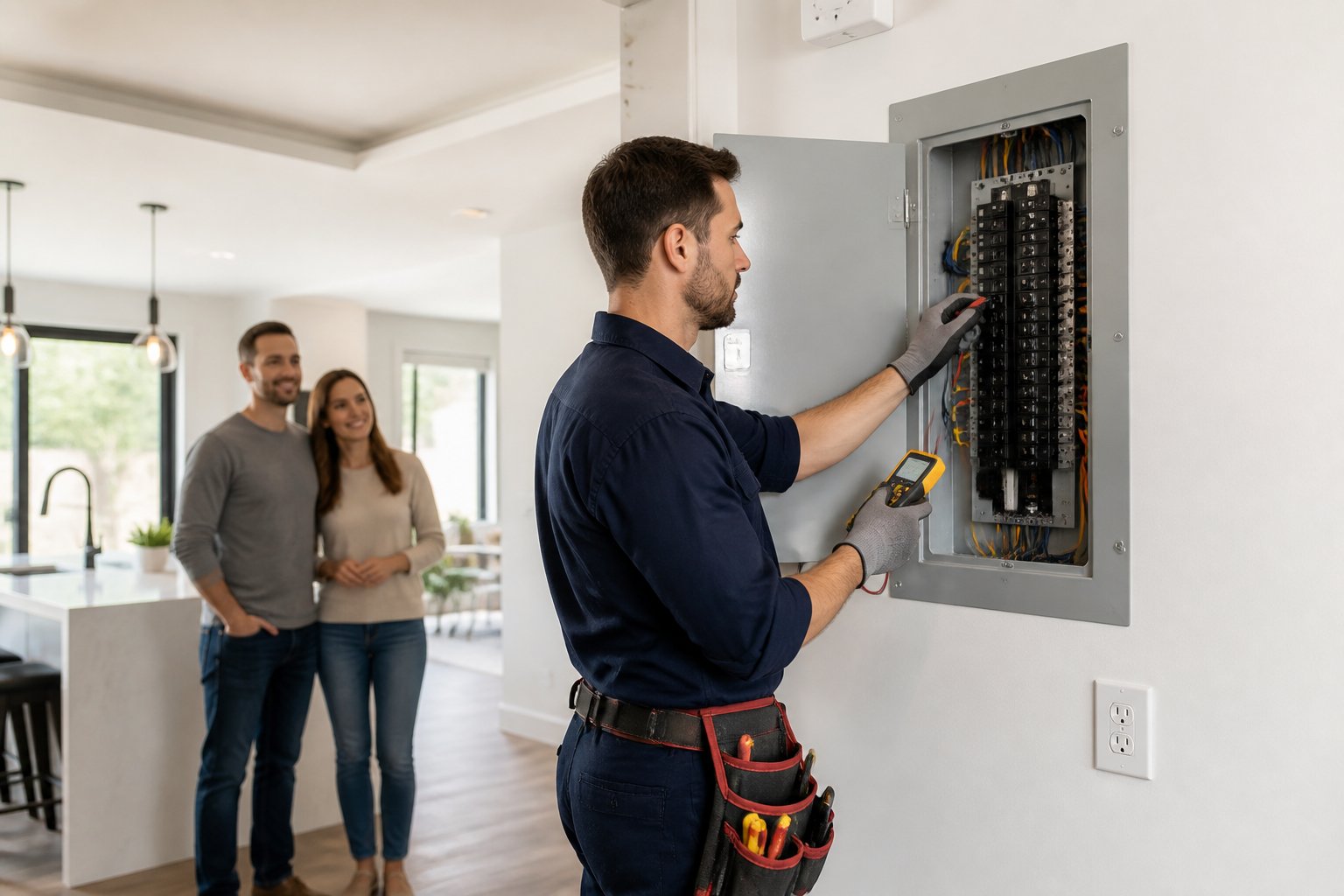
A tripped breaker can kill a wall switch in a second. Open up your panel and see if any breakers are sitting in that awkward middle spot.
To reset, push the breaker all the way off, then back on. If it won’t stay on, unplug everything on that circuit first. Still tripping? You might have a wiring issue or a bad breaker.
AAA Electrical Services does fast breaker repairs and always puts safety first. Their techs are licensed, insured, and show up with what they need to get you back up and running.
Step-by-Step Guide to Troubleshooting Wall Switches
Figuring out what’s wrong with your wall switch can save you both time and money. You’ll want to check the switch plate, look at the wires, make sure connections are tight, and maybe test the switch if you’ve got the right tools. If it’s busted, knowing how to swap it out is handy.
Inspecting the Switch Plate and Wires
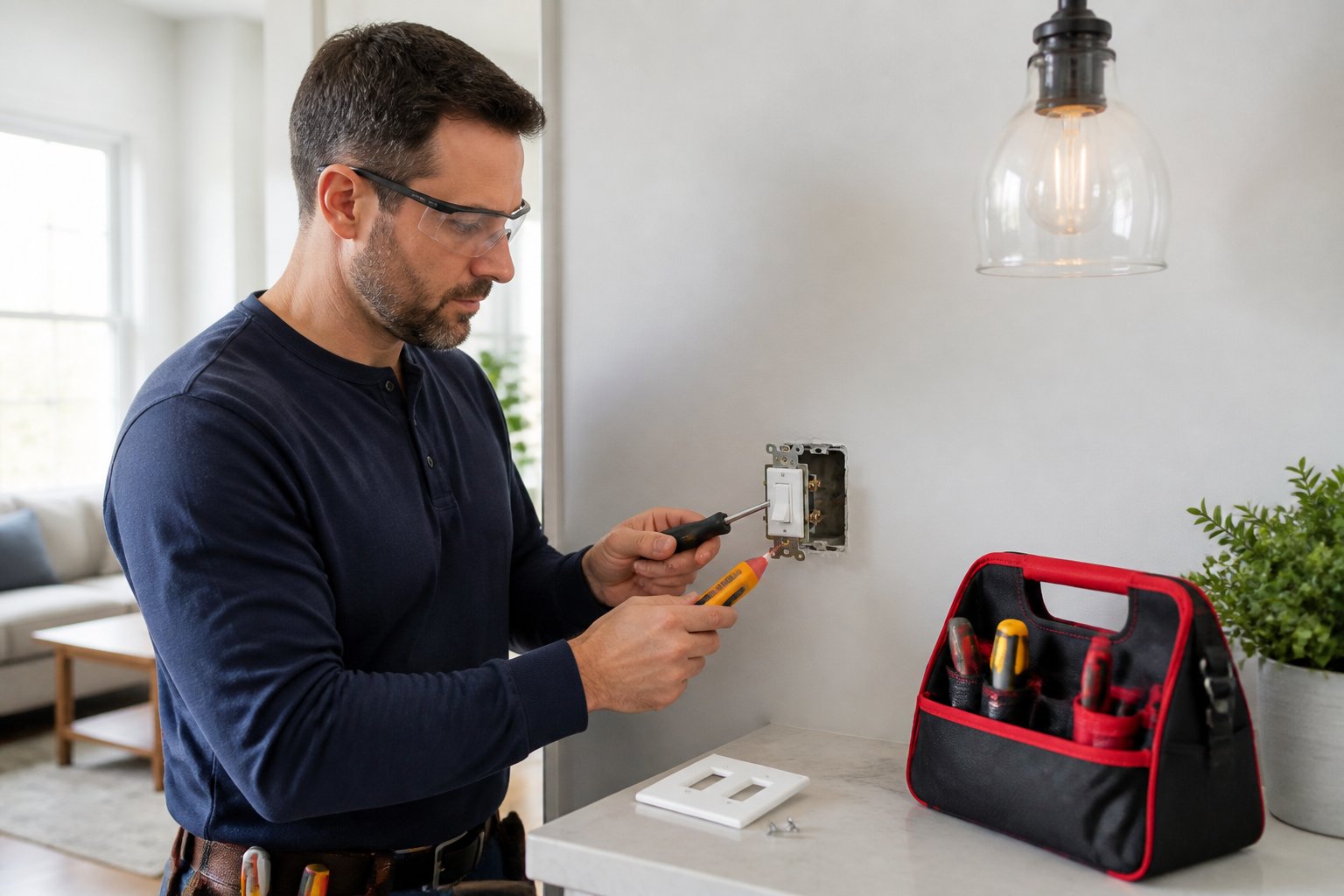
Kill the power at your circuit breaker before you do anything else. Take off the switch plate with a screwdriver. Look for cracks, burn marks, or weird discoloration on the plate or switch—those are never good signs.
Peek inside at the wires. Check for frays or breaks and make sure they’re snug on the terminals. If you see anything sketchy, don’t touch it until you’re sure the power’s off.
Catching these problems early can keep a little annoyance from turning into a real hazard.
Checking for Loose Connections
Loose wires are a classic culprit. With the power still off, give each wire a gentle tug. If any move or feel wobbly, tighten them up.
Use a screwdriver to snug the screws, but don’t go Hulk on them—too tight and you can break something. Make sure the wires wrap clockwise around the screws for a solid grip.
If your box uses push-in connectors, you might want to switch to screw terminals. They just hold better and cut down on flickering or random failures.
Testing Switch Continuity with a Multimeter
Want to see if the switch itself is dead? Grab a multimeter and set it to continuity or ohms. With the power off, take the switch out but keep the wires attached or out of the way.
Touch the probes to the terminals. If the switch is ON, you should get a beep or a zero reading. No beep? The switch is probably toast.
No multimeter? Maybe ask to borrow one, or just call a pro. Sometimes it’s not worth the risk.
Replacing a Faulty Switch
If your switch fails the test or looks rough, time for a new one. Power off at the breaker—seriously, don’t skip this.
Unscrew the old switch and unhook the wires (remember where they go). Attach the wires to the new switch, tighten everything up, and put it back in the box. Screw the plate back on, turn the power on, and give it a try.
If it works, you’re golden. If not, it might be time to call in the cavalry.
AAA Electrical Services does fast, safe switch swaps with no surprise bills. Their techs are friendly and careful, which is honestly what you want in your house.
Addressing Electrical Wiring Issues
Wiring problems can leave your wall switches dead in the water. You’ll want to spot worn-out wires, know the risks with old setups, and watch for telltale signs of trouble. Paying attention here keeps your home safer and your system running.
Identifying Aged or Damaged Wiring
Old wiring usually looks the part—cracked insulation, weird colors, maybe even a burnt smell. If you see flickering lights or dead outlets, your wires could be breaking down behind the walls.
Damaged wiring is risky—it ups the chance of shorts or fires. If switches keep failing, you might have loose or worn wires. If a bunch of outlets or switches on the same circuit quit, that’s a big red flag.
Honestly, poking at old wiring yourself isn’t worth it. Let a licensed electrician from AAA Electrical Services check things out. They can spot problems fast and fix them the same day.
Handling Old or Outdated Electrical Systems
If your house is older, you might have outdated wiring that just can’t keep up with today’s gadgets. Some old systems don’t have proper grounding or use stuff like knob-and-tube wiring.
Old wiring can make breakers trip, switches fail, and lights do weird things. It’s not just annoying—it can be dangerous.
Upgrading your wiring and panel is a smart move if you notice these issues. The pros can swap out old wires, put in modern switches, and get your system up to code. It’s an investment, but it keeps your family and home much safer.
Signs of Wiring Problems in the Home
Keep an eye out for these warning signs:
- Lights that flicker or dim
- Switches or outlets that don’t work
- Outlets or switches that feel warm or look discolored
- Breakers that trip all the time
- Buzzing or crackling near switches
Don’t shrug these off. If you spot them, book an electrical inspection soon. AAA Electrical Services does thorough checks and fixes with clear pricing, so you’re not left wondering.
Keeping up with maintenance helps stop little problems from turning into big emergencies. Your wiring is the backbone of everything electric in your house—take care of it and you’ll have fewer headaches.
When to Call a Licensed Electrician
If your wall switches stop responding, sometimes you just need to call in a pro. Wiring damage, code issues, or protecting your home are all reasons to get a licensed electrician on the job. It’s about keeping things safe and not making the problem worse.
Recognizing Complex Electrical Problems
Some switch issues go way beyond a quick fix. If switches feel hot, spark, or make breakers trip again and again, you’re probably dealing with serious wiring trouble. If a bunch of switches or outlets quit at once, that’s usually a circuit problem.
Don’t try to tackle these on your own. Messing with bad wiring can lead to shocks or even fires. Licensed electricians have the right tools and know-how to track down and fix these problems. They’ll check panels, connections, and test for shorts or overloads—stuff you just don’t want to mess with.
Understanding Electrical Code Requirements
Your home’s wiring really needs to follow current electrical codes to stay safe and, well, legal. If switches quit working because the wiring’s old or damaged, you might be out of compliance. Licensed electricians keep up with the latest safety standards.
When you work with a pro, repairs and upgrades stick to the rules. That can help you avoid headaches later and might even be required for insurance or warranties. Trying to fix things yourself? Honestly, that can just make the problem worse—or lead to failed inspections.
Ensuring Home Safety Standards
Your family’s safety depends on having reliable electrical systems. Faulty switches? They can cause shocks, overheating, or even fires. A professional electrician will do a full safety check around your house.
They’ll check outlets, switches, breaker panels, and wiring for anything loose or worn out. Catching these things early keeps small problems from turning into big, dangerous ones. AAA Electrical Services, for example, offers same-day response and sends out certified techs who actually care about your home. They’re upfront about pricing and work quickly and cleanly to keep homes in Sacramento and nearby areas safe.
Frequently Asked Questions
Wall switch problems usually come down to loose wiring or a tripped breaker. Sometimes, it’s a deeper electrical fault or a part that’s simply worn out and needs replacing.
How can I troubleshoot a light switch that isn't working?
First, shut off the power at the breaker. Open the switch box and look for loose wires or broken bits. If you’ve got a voltage tester handy, you can check the switch, too.
What steps should I take if I have no power to my light switch but the breaker isn't tripped?
See if other outlets or switches on that circuit work. Sometimes a GFCI or AFCI outlet somewhere else has tripped—try resetting those and check if the switch comes back to life.
Can I fix a light switch that doesn't work or do I need an electrician?
If you’re handy and know your way around basic tools, you can swap out a bad switch yourself. For anything trickier—or if you’re just not sure—call a licensed electrician like AAA Electrical Services. They’ll show up fast and tell you the price before they start.
Why might multiple light switches in my home stop responding at once?
If a bunch of switches quit at the same time, it could be a breaker panel issue or something bigger with your wiring. Maybe it’s a blown fuse, maybe a tripped breaker, or just faulty wires. Getting a pro to inspect things is usually the way to go.
How can I test a light switch to see if it's burned out?
Grab a multimeter and set it to test continuity. Turn off the power, take off the switch cover, and check if the switch completes the circuit when you flip it. If there’s no continuity, odds are the switch is burned out.
What could cause my bathroom light switch to suddenly become unresponsive?
Bathroom switches sometimes stop working because of moisture sneaking in or just old, worn-out parts. If you’ve got a GFCI outlet in the bathroom or even nearby, it might’ve tripped and cut power to the switch. Flipping the GFCI back on or swapping out the switch usually gets things working again.
If you’re in Sacramento or close by and don’t want to mess with it yourself, AAA Electrical Services can help. Their techs roll up with parts ready to go, so repairs don’t drag on and your home stays safe.