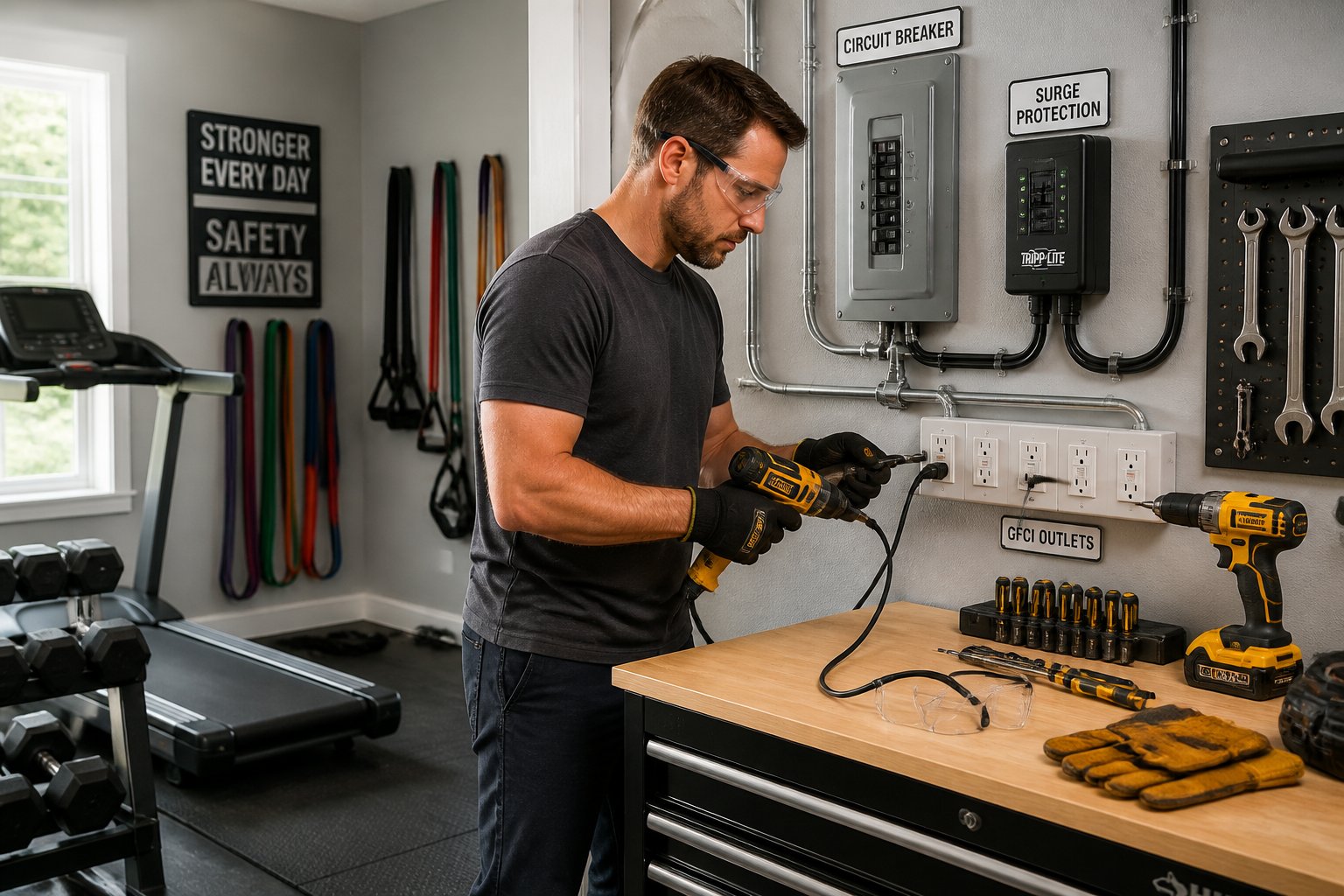
Future-proofing your home’s electrical system really boils down to one thing: your house should be ready for whatever appliances, chargers, smart gadgets, or backup power you might want to add down the road. That means planning for enough capacity, improving safety, and making smart electrical upgrades before small problems turn into expensive headaches.
If you’re in the Sacramento area, a little planning can save you time and stress and help your system last longer. Some of the best ways to future-proof your home’s electrical system: check your panel’s capacity, fix safety issues early, add dedicated circuits, and leave room for new tech.
Key Takeaways
- Think ahead about future electrical needs.
- Tackle safety problems before adding new stuff.
- Add wiring and protection that’ll support tomorrow’s devices.
Start With Panel Capacity And Load Planning
Your electrical panel is basically the heart of your home’s system. It needs enough space and capacity for what you use now—and what you might want later. Doing a proper load calculation helps you avoid overloads, manage your usage, and decide if a panel upgrade is needed before you install anything new.
How To Tell If Your Electrical Panel Is Already At Its Limit
If your breaker box is jam-packed, feels warm, or you’re dealing with repeated circuit breaker trips, it’s probably struggling. Other signs? Not enough breaker slots, outdated equipment that doesn’t meet today’s codes, or having to patch things up instead of actually upgrading.
Why Load Calculation Matters Before Adding New Equipment
A load calculation tells you how much power your house actually uses and how close you are to maxing out. This is a must before adding things like dedicated circuits, a heat pump, EV charging, or any big equipment. Guess wrong, and you could end up with tripped breakers or even bigger safety issues.
When A Panel Upgrade Makes Sense And When It May Not
You’ll want a panel upgrade if your current box just can’t safely handle your needs—especially if you’re planning major upgrades or electrifying more of your home. Sometimes, though, better load management or just adding the right circuits will do the trick, as long as everything meets the national electrical code.
Fix Safety Risks Before Adding New Technology
New tech is a lot more fun when you know the wiring behind it is safe. If you have outdated wiring, your first step should be fixing hazards, then adding modern protection that keeps up with everyday use.
Warning Signs Like Flickering Lights And Frequent Circuit Breaker Trips
Flickering lights, buzzing, warm outlets, or frequent breaker trips? Those are big red flags. They might mean loose connections, overloaded circuits, or old components that need a pro to take a look before you add anything else.
Why Outdated Wiring Should Be Addressed Early
Old wiring can slow you down and increase risk, especially if your home has knob-and-tube or aluminum wiring that just isn’t up to today’s standards. Sometimes, rewiring or targeted upgrades are the safest bet, especially if you need better grounding or want to swap in copper where it counts.
Where GFCI And AFCI Protection Belong In Modern Homes
GFCI protection (that’s ground fault circuit interrupters) should go in areas where moisture is an issue—think kitchens, bathrooms, garages, laundry rooms, and outside. AFCI protection (arc fault circuit interrupters) helps reduce fire risk in living spaces and bedrooms. Both are pretty much must-haves for a safer modern system.
Add The Circuits Your Future Home Will Need
The smartest upgrades are the ones that make future projects easier and safer. Adding dedicated circuits and extra capacity now means you’ll be ready for bigger appliances, better energy efficiency, and whatever home improvements you dream up—without a rushed remodel later.
Planning Dedicated Power For Kitchens HVAC And Laundry
Kitchens, HVAC systems, and laundry rooms usually need their own circuits because they draw a lot of power and run often. Planning these early gives you more options for appliances, outlet placement, and makes future upgrades way less stressful.
Preparing For EV Charging With 240-Volt Capacity
If you’re even thinking about EV charging, set up 240-volt circuits now—even if you’re not installing a level 2 charger yet. Planning ahead can save on labor and make installation smoother and safer for your electrician.
Making Room For Heat Pumps And Other Electrification Upgrades
Heat pumps and other electrification projects can really change your home’s power needs fast. Building in capacity now means you can meet energy efficiency goals later, without scrambling for service changes or making temporary fixes.
Build In Protection For Electronics And Outages
These days, homes run on electronics—for work, fun, comfort, and security. So, protection is just as important as power. Surge protection, backup power plans, and monitoring tools help keep your devices and circuits safer when the unexpected happens.
Why Whole-Home Surge Protection Is Worth Considering
A whole-home surge protector covers way more than a little plug-in strip. It helps shield sensitive electronics, smart home devices, and appliances from lightning, utility switching, or other surges that can shorten their lives.
The Role Of A Transfer Switch In Backup Power Planning
A transfer switch makes backup power setups safer by isolating your home from the grid during an outage. If you’re thinking about a generator or other backup, a transfer switch is crucial for protecting both your circuits and utility workers.
How Smart Circuit Breakers Can Improve Monitoring
Smart circuit breakers let you actually see how your home uses power—helpful for catching weird patterns early. That insight makes troubleshooting and planning future upgrades a lot easier.
Pre-Wire For Connectivity And Smart Living
Good pre-wiring saves you from tearing into walls every time you upgrade your tech. With structured wiring and some planning, your house can handle reliable networking, smart home integration, and cleaner installs for whatever comes next.
Structured Wiring For Reliable Internet And Media
Structured wiring gives you a central, tidy way to set up home networking, Wi-Fi access points, TVs, and other media. It cuts down on clutter and makes future changes simpler—especially if you want a setup that can grow with you.
Smart Home Integration Without Overloading Existing Circuits
Smart thermostats and other connected devices don’t usually pull tons of power, but they still need thoughtful circuit planning. Putting them in the right spots, with enough capacity and solid pre-wiring, keeps you from overloading old circuits or relying on a mess of adapters.
Outlet Placement That Supports Daily Life And Future Devices
Outlet placement matters—a lot. Think about where you might want to add furniture, charging stations, or even a wall-mounted TV later. Planning with flexibility now means more convenience and fewer headaches later.
Plan For Solar And Long-Term Serviceability
Thinking about solar or other long-term energy changes? Your electrical system should be ready to expand. A well-planned setup supports renewable energy, makes maintenance easier, and keeps things safer for the long haul.
Preparing The System For Renewable Energy Integration
Solar-ready planning means leaving space for future gear, compatible wiring routes, and room to grow if your needs change. This makes adding renewables smoother and helps you hit your energy goals as your family grows.
Why Electrical Code Compliance Protects Resale And Safety
Electrical code compliance isn’t just about passing inspections—it protects your home’s value and your family’s safety. Following the national code cuts down on repair hassles, helps with resale, and shows your system was built right.
When To Call A Licensed Electrician For An Inspection
Not sure about your system’s capacity, old parts, or whether it’ll handle new equipment? Bring in a licensed electrician for an inspection. They’ll give you honest advice, check for hidden problems, and help you plan upgrades—no guessing needed.
Frequently Asked Questions
How can I tell if my home’s electrical system is outdated or needs an upgrade?
Look out for flickering lights, frequent breaker trips, warm outlets, or not enough breaker slots for new circuits. If you’ve got old wiring or a tiny panel, an inspection can reveal if you need upgrades for safety and capacity.
When should I consider rewiring a house that’s around 25 years old?
A house that’s 25 years old doesn’t automatically need rewiring. Age isn’t everything. If you’re seeing electrical problems, planning a big remodel, or adding power-hungry equipment, ask a licensed electrician if a full rewire or targeted updates make more sense.
What electrical panel size should I choose to support future appliances and EV charging?
Panel size depends on your actual load calculation—not just how many appliances you hope to add. Many Sacramento homes benefit from planning for EV charging, HVAC, and future circuits, so a panel review is smart before you upgrade.
Which outlets and circuits should I add now to avoid costly changes later?
Kitchens, laundry rooms, garages, outdoor spaces, and any spot that might become an office or media room are good choices. Adding dedicated circuits and well-placed outlets now saves you from drywall work and supports safer use of new devices.
How can I improve electrical safety and surge protection for new electronics?
A whole-home surge protector gives you better coverage than just a plug-in strip. GFCI and AFCI protection cut shock and fire risks where they’re needed. If your electronics are pricey or sensitive, pairing surge protection with a maintained system is just smart.
What wiring and smart-home infrastructure should I install to support future technology?
Honestly, you’ll want to think beyond just the basics—structured wiring, some pre-wiring for networking, and putting outlets where you’ll actually need them. If you’re eyeing smart home setups, it makes sense to run extra pathways for things like access points, speakers, media gear, or whatever gadgets might pop up down the road. That way, you’re not tearing up walls or cursing your past self later.