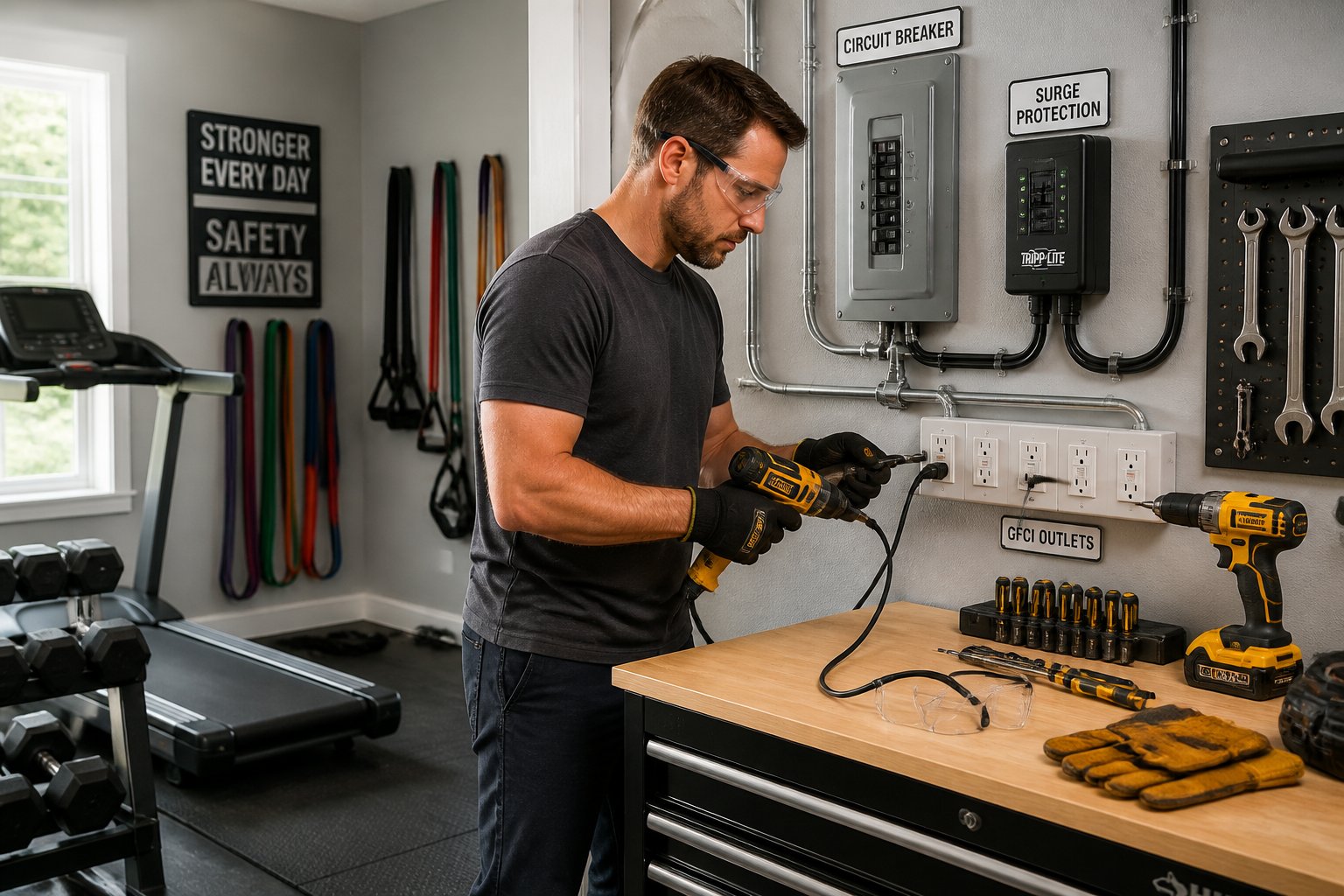
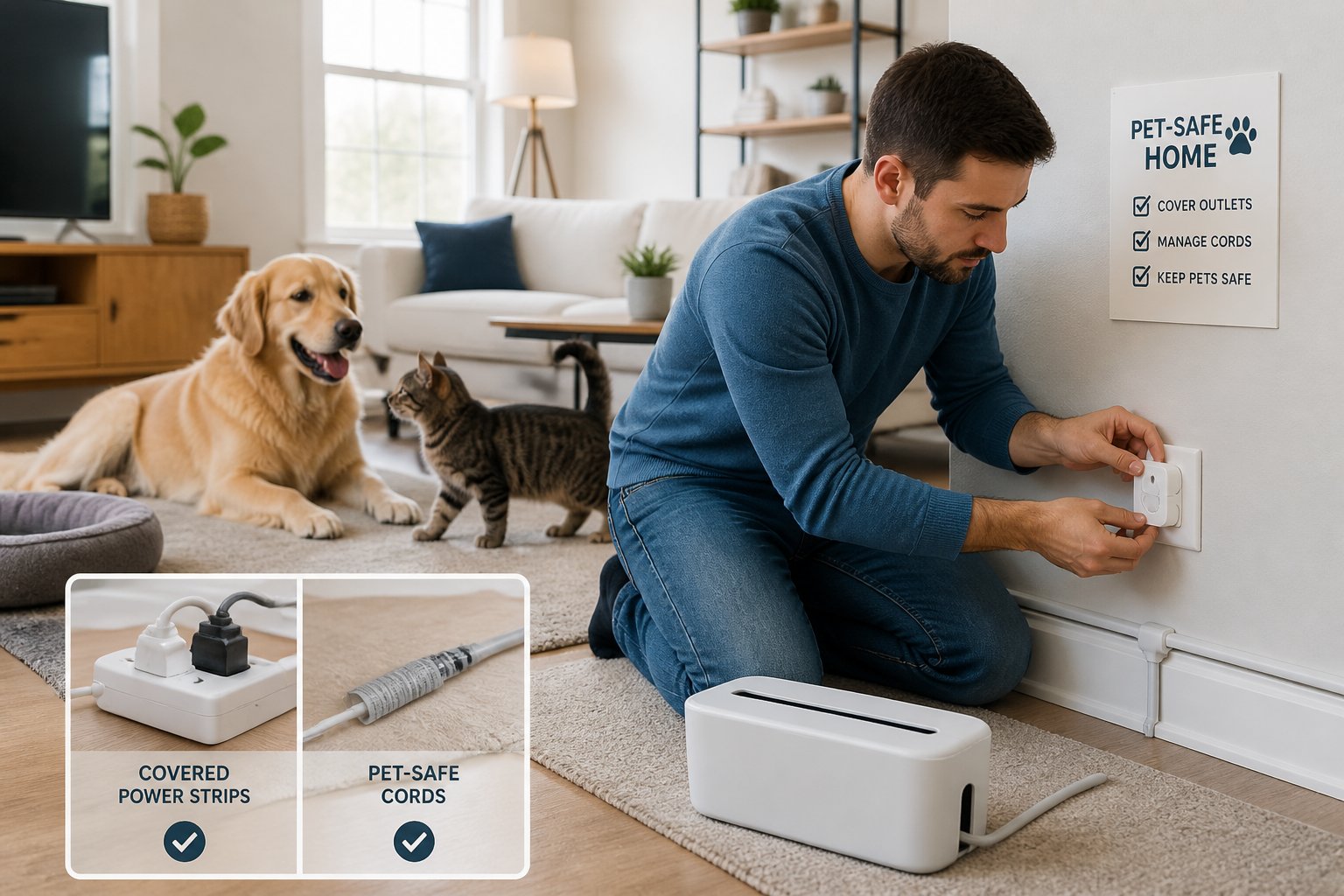
Garage electrical safety really matters—garages mix moisture, moving doors, storage, and heavy electrical use all in one spot. If your garage wiring is outdated, overloaded, or just not maintained, little problems can quickly turn into shocks, breaker trips, or even fire risk.
The best ways to boost garage electrical safety? Start with shock and fire protection, then look at circuit capacity, outlet placement, your habits with cords, and those warning signs you sometimes ignore. If you tackle these upgrades properly, you’ll protect your family, cut down electrical hazards, and make everyday garage life safer.
Key Takeaways
- Protect wet and high-use areas first.
- Match wiring and circuits to your actual load.
- Fix warning signs before they get worse.
Install The Right Shock And Fire Protection First
The safest garage electrical setup always starts with the right protective devices. If your garage still doesn’t have modern protection, that’s honestly one of the most important upgrades you can make.
Why GFCI Protection Matters In Every Garage
A gfci—that’s ground fault circuit interrupter—cuts power fast if electricity starts flowing where it shouldn’t. Garages are risky because of concrete floors, dampness, and all those outdoor-adjacent work areas.
You’ll need gfci outlets or gfci protection wherever a garage outlet might get wet or serve a work zone. Most homeowners just go ahead and install gfci protection during outlet or circuit updates to stay up to code.
When To Use GFCI Outlets Vs GFCI Breakers
GFCI outlets are great when you want to protect just a few spots—say, by a sink or workbench. A GFCI breaker covers a whole circuit, which is handy if you’ve got lots of outlets to protect.
Choosing between them really depends on your garage electrical layout and how many outlets you want covered. A licensed electrician can help you figure out the best solution that keeps proper grounding and code compliance in check.
Where AFCI Protection Fits Into Garage Safety
AFCI protection helps cut fire risk from arc faults—think damaged wires or loose connections. If your garage electrical system is getting an upgrade, AFCI can be a smart add-on.
Don’t mix it up with GFCI, though. AFCI doesn’t replace GFCI; it just adds another layer of defense for your busy, tool-filled garage.
How Proper Grounding Reduces Electrical Hazards
Proper grounding gives stray electricity a safe path, helping breakers and safety devices do their jobs. Without it, shock and equipment damage risks go way up.
See old outlets, ungrounded wiring, or patchy repairs? Time to get a professional to check things out. In places like Sacramento, Roseville, or Elk Grove, that kind of inspection really brings peace of mind.
Fix Overloaded Circuits And Undersized Wiring
Garages end up packed—storage, tools, chargers, freezers, you name it. If your garage circuits weren’t built for this, you’ll probably notice frequent breaker trips, warm devices, or tools that just don’t run right.
Why Shared Garage Circuits Often Fail
Shared circuits overload fast when too many devices run at once, especially power tools and other big draws. That means circuit overload, breaker trips, and extra stress on your garage wiring.
Older garages might have fewer outlets and less capacity than you need today. If you’re running lights, a fridge, and a compressor on the same circuit, something’s going to give.
When A Dedicated 20-Amp Circuit Makes Sense
A dedicated circuit is the way to go if you’re using bigger tools, chargers, or workshop equipment often. Dedicated 20-amp circuits support more demand and help prevent interruptions.
A lot of homeowners pick 20-amp circuits for workbenches or tool-heavy spots because, honestly, it’s just more practical these days. Fewer breaker trips, smoother operation.
The Difference Between 15-Amp And 20-Amp Circuits
15-amp circuits handle lighter loads; 20-amp ones are for heavier use. You have to match the circuit rating with the right wire, breaker, and your expected demand.
Typically, a 20-amp circuit uses 12-gauge wire. A 15-amp circuit? Usually 14-gauge wire. If you mix and match those wrong, you risk heat, voltage drops, and failure.
Why You Cannot Upsize A Breaker Without Rewiring
Don’t just swap in a bigger circuit breaker without changing the wires. If the circuit has 14-gauge wire, it can’t safely handle a larger breaker.
That’s how you get hidden damage inside your walls. If your garage needs more power than the wiring can support, rewiring is the safer bet.
How Voltage Drop Affects Tools And Equipment
Long wire runs, small conductors, and overloaded circuits can cause voltage drop. You’ll notice tools running weaker, lights dimming, or chargers slowing down.
It’s especially annoying with power tools that need steady juice. A capacity check will show if you need a new circuit, bigger wires, or both.
Upgrade Outlet Placement And Wiring Conditions
Safe garage use isn’t just about enough power. Well-placed garage outlets, smart outlet placement, and tidy wiring mean less reliance on extension cords and a much easier workspace.
Safer Outlet Placement For Doors Walls And Work Areas
Thoughtful outlet placement keeps cords off walkways and away from moving doors. Put outlets around the perimeter and near work areas—makes life easier and safer.
When outlets are where you actually need them, you’re not tempted to use temporary fixes. It’s one of the easiest garage electrical upgrades out there.
Why Workbench Outlets Improve Everyday Safety
Workbench outlets let you plug in drills, chargers, lights, and small tools right at the bench—no cords snaking across the floor. Major trip hazards, gone.
If you’re in Sacramento, Folsom, or Rocklin and like working on projects, this upgrade makes your garage feel more organized and a whole lot safer. Usually, a good garage electrical upgrade starts with putting power where you’ll use it.
When Conduit Or Metal Conduit Is The Better Choice
Conduit shields wiring from bumps—helpful in garages full of bikes, ladders, or storage bins. Metal conduit is even tougher, especially for exposed runs.
It protects electrical components where physical damage is more likely. If you’re updating your garage for the long haul, conduit is a solid safety move.
What Outdated Or Exposed Wiring Tells You
Outdated wiring could mean the system’s old, was DIY’d, or just can’t keep up anymore. Exposed wiring is a red flag—conductors are out in the open, ready to get damaged.
Both deserve quick attention. They’re signs your garage might need a real electrical evaluation before a small issue becomes a big electrical issue.
Watch For Warning Signs Before They Become Dangerous
Your garage usually gives you hints before things get serious. Spotting electrical hazards early can save you from disaster, downtime, or expensive repairs.
What Flickering Lights Usually Mean
Flickering lights often mean loose connections, overloaded circuits, or dying fixtures. If it happens when a tool kicks on, your circuit might be struggling.
If the flickering keeps happening, don’t brush it off. It’s a clear sign your garage electrical system needs a closer look.
How To Spot Warm Outlets Scorch Marks And Burning Smells
Warm outlets—if they’re hot or discolored—are a bad sign. Scorch marks or a burning smell? Heat’s building up where it shouldn’t.
Those need checking out right away. You might have damaged insulation, loose contacts, or hidden electrical issues that could turn dangerous fast.
Why Loose Connections And Faulty Wiring Need Fast Repair
Loose connections can arc and overheat, wrecking nearby parts over time. Faulty wiring might cause power to cut in and out, breaker trips, or tools that only work sometimes.
These aren’t safe to ignore. Getting a licensed electrician out for same-day repairs is just the smart move.
When Damaged Cords And Frayed Wires Put The Garage At Risk
Damaged cords and frayed wires leave live conductors exposed—shock or fire risk goes up. If cords look worn, cracked, or pinched, just replace them.
Even if a cord “works,” visible damage means it’s not safe anymore. Swapping it out quickly is an easy way to cut risk in your garage.
Handle Cords Tools And Testing More Safely
Good habits make a real difference in garage electrical safety. Careful cord management, regular testing, and safe tool use keep daily tasks from turning into accidents.
Better Cord Management For Daily Garage Use
Smart cord management keeps walkways clear and protects cords from cuts, pinching, and heat. Use hooks, wraps, wall storage—don’t let cords sit in puddles, under tires, or across door tracks.
It also cuts down clutter around garage outlets and makes your workspace easier to navigate. A tidy garage is just less stressful.
Why You Should Store Cords Coiled Loosely
Store cords coiled loosely—it eases strain on the wire and helps prevent internal damage. Wrapping too tight traps heat, wears cords out faster.
Loose storage is a small, easy habit that keeps extension cords, tool cords, and charging leads working longer.
How To Test Outlets With A Receptacle Tester
A receptacle tester lets you test outlets for problems like reverse polarity or missing ground. It’s a quick way to spot issues before plugging in expensive tools.
If the tester shows a problem, stop using that outlet until it’s checked. Garages are tough on outlets, so it’s worth staying on top of this.
Simple Habits That Reduce Tool-Related Risks
Always unplug tools before changing blades, bits, or accessories. Keep liquids away from power tools and don’t use anything that sparks, smokes, or runs weird.
Not sure if a tool or outlet is safe? Ask a professional electrician. If you’re in the Sacramento area, AAA Electrical Services can help with repairs and safety upgrades that actually fit your home.
Know When A Professional Upgrade Is The Safer Move
Some garage problems are just too big for DIY. If the wiring, capacity, or layout doesn’t fit how you use the space, let a pro take a look—it’ll save you time and headaches later.
When To Schedule An Electrical Inspection
An electrical inspection makes sense if your garage has repeated breaker trips, warm devices, old wiring, or visible wear. It’s also smart before adding big loads like EV charging, a workshop, or new lights.
A thorough inspection can catch hidden trouble in your garage electrical system before it turns into a pricey fix. That kind of proactive step really does bring peace of mind.
Signs Your Garage May Need A Subpanel
Subpanels help when your main panel’s too far away or the garage needs more circuits for tools, lights, or future upgrades. If you’re running out of room, a subpanel might be the answer.
It also keeps your garage wiring more organized. If you want reliable power for years—not just a quick patch—consider a subpanel.
How A Licensed Electrician Plans Future Capacity
A licensed electrician checks what you use now and tries to guess what you'll want later. That covers outlet loads, panel space, lighting, EV charging, and anything connected to generators or solar.
Good planning keeps your home ready for whatever comes next and saves you from constant patchwork fixes. It also makes sure your garage electrical setup actually matches the national electrical code—which, honestly, can change more often than you'd think.
What Homeowners Gain From Professional Garage Wiring Updates
Getting a pro to handle your garage wiring means better safety, more convenience, and fewer headaches down the road. The work just looks cleaner, and you get clear answers instead of confusing jargon. Plus, you're less likely to deal with the same electrical issue again and again.
If you’re in Sacramento, Roseville, Elk Grove, or nearby, you might get same-day service, honest flat-rate pricing, and technicians who actually respect your space. It’s a relief when your garage feels safer every time you flip a switch.
Frequently Asked Questions
What are the most common electrical hazards to watch for in a home garage?
Overloaded circuits, damaged cords, loose connections, and outlets that feel warm or look discolored are big red flags. Keep an eye out for exposed wires, breakers that trip over and over, and lights that flicker when you start up equipment.
How can I tell if my garage outlets need GFCI protection?
If your outlets sit near water, concrete floors, or workbenches, GFCI protection is usually the way to go. A licensed electrician can check your setup and let you know what the current code says.
What’s the safest way to use extension cords and power strips in a garage?
Use them only for short-term needs, keep them dry, and don’t overload them with heavy tools. Permanent outlets in the garage beat cords for daily power—every time.
How do I know if my garage wiring is overloaded or needs an upgrade?
If your breaker trips a lot, lights dim when tools kick on, or your tools just seem weak, your wiring might be struggling. Garages that run several big loads often need their own circuits, maybe new wiring, or even a panel check.
What lighting options are safest and most reliable for a garage workspace?
Bright LED fixtures, mounted securely, are usually your best bet. For extra safety, add task lights over benches and motion sensors by doors or walkways.
How can I reduce fire risk when storing flammable liquids near electrical tools and outlets?
Seal up flammable liquids and stash them far from anything that gets hot—think outlets, chargers, or motors. Honestly, it’s just safer that way. Check your cords, tools, and extension leads now and then, too. If they’re in good shape, sparks and heat won’t sneak up on you as easily.