Electrical outlets barely cross our minds—until something goes wrong. But honestly, safe outlet usage is a huge part of keeping your home and family protected. A handful of simple habits and fixing things early can cut down on electrical hazards and help everything run smoothly. Spot early warning signs, avoid overloads, check outlets regularly, and upgrade old or moisture-prone receptacles before they cause trouble—that’s how you keep outlet usage safe throughout your home.
If you’re around Sacramento, Roseville, Rocklin, Elk Grove, or nearby, a little prevention really does help. Clean outlets, proper covers, and not going overboard with power strips all support better electrical outlet safety. And when you call in professional help early, you can avoid electrical fires and the headache of tripping breakers.
Key Takeaways
- Warm outlets and loose plugs need quick attention.
- Overloaded circuits can impact more than one room at a time.
- Upgrading outlets can boost safety and give you some peace of mind.
Spot The Outlet Problems That Need Attention First
Some outlet issues sneak up on you. Warm surfaces, loose connections, cracked covers, and recurring power glitches all signal electrical hazards that shouldn’t wait. These deserve a look from a qualified electrician.
Warm Outlets, Burn Marks, And Burning Smells
Outlets shouldn’t feel warm, especially after light use. If you spot burn marks, catch a whiff of smoke, or notice a faint melting odor, stop using that outlet and unplug anything nearby. Those are big red flags—loose connections, bad wiring, or even fire risk could be at play.
Loose Plugs, Loose Outlet, And Damaged Outlet Covers
If plugs fall out or wiggle, that’s not just annoying—it can cause heat and even arcing. A loose outlet or cracked cover lets dust and moisture reach the inside, which is never good. If cords don’t fit snugly anymore, it’s probably time to replace that outlet before things get worse.
Flickering Lights, Tripped Breakers, And Other Warning Signs
Flickering lights near an outlet? That could mean a weak connection or a struggling circuit. Breakers that trip over and over might point to an overloaded circuit, damaged devices, or something deeper. Buzzing sounds, shocks, or discoloration around an outlet are all warning signs that shouldn’t be ignored.
Prevent Overloads During Everyday Outlet Use
A lot of outlet problems come down to daily routines. High-wattage appliances, overloaded power strips, and too many gadgets on one circuit can push things past a safe limit, leading to heat, shutdowns, or those annoying breaker trips.
Avoid Overloading Outlets With High-Demand Devices
Try to give big energy users—space heaters, air fryers, hair tools, portable ACs—their own outlets if you can. Stacking them on one receptacle is asking for trouble. These simple tips can help you lower the load and avoid overloaded outlets.
When Extension Cords And Power Strips Become A Risk
Extension cords and power strips are handy for temporary fixes, but they’re not meant for permanent setups. Plugging in several heavy-load devices through them can hide an overload until something overheats. If you’re using them all the time in your home office or garage, maybe it’s time to upgrade the wiring instead of adding more adapters.
How An Overloaded Circuit Can Affect The Whole Room
One overloaded circuit can mess with every outlet on that branch—not just the one you see. You might notice dimming lights, warm outlets, or a breaker that flips when too much is running. Fixing this usually means balancing the load, adding new circuits, or calling an electrician for troubleshooting.
Inspect And Maintain Outlets Safely
Checking outlets regularly helps you catch problems before they turn into big repairs. Inspect outlets safely by looking for damage and noticing how each one acts in daily use.
How To Inspect Outlets Without Taking Risks
Before you start, unplug everything and make sure your hands are dry. Look at the faceplate, outlet body, and cord ends for wear. Listen for buzzing or crackling when something’s plugged in. If anything feels hot, smells weird, or gives you a shock, stop using it and get an electrician’s opinion.
What Frayed Wires, Cracks, And Discoloration Mean
Frayed wires near an outlet or cord leave live parts exposed—definitely a shock risk. Cracks, scorch marks, or yellowing usually mean heat damage or aging parts. Exposed wires or visible damage? Don’t brush it off as cosmetic—it’s a real hazard.
When A Simple Repair Is Not Enough
Swapping a faceplate won’t fix bad wiring or outlets that keep failing. If you’re losing power at the same spot, or if several outlets on the same wall act up, you’re probably dealing with a bigger issue in the wiring. That’s the time to bring in a pro.
Upgrade Protection In Moisture-Prone And Family Spaces
Bathrooms, kitchens, laundry rooms, garages, and outdoor spots all need extra protection—moisture just ups the shock risk. Family spaces also benefit from safer outlet designs that help prevent accidents.
Where GFCI Outlets Matter Most
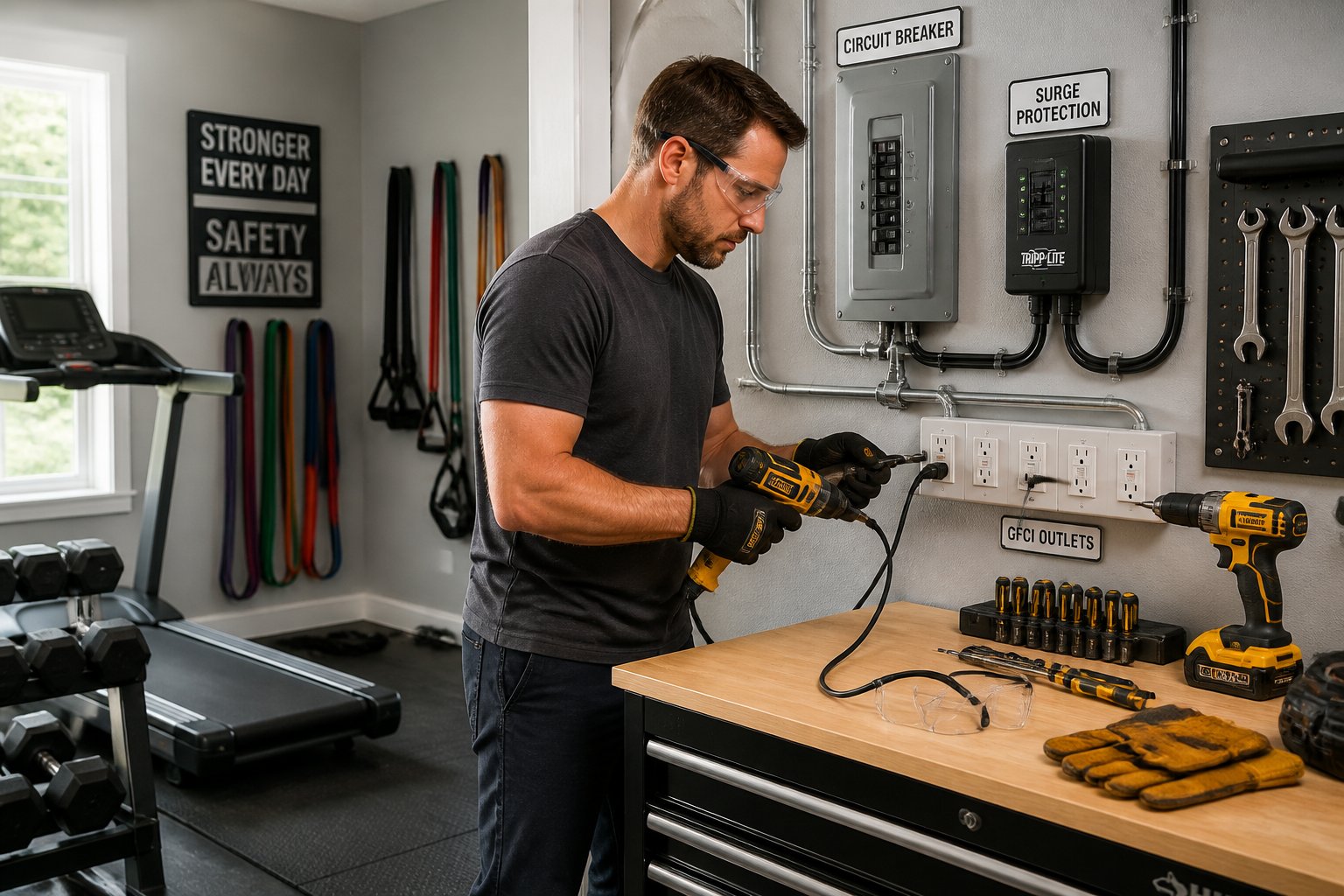
GFCI outlets cut power fast if they sense a ground fault, which is crucial in wet areas. You really want these near sinks, tubs, laundry machines, garages, crawl spaces, and outside. If you still have old outlets in those places, upgrading to GFCI is a smart move.
Child Safety With Tamper-Resistant Receptacles
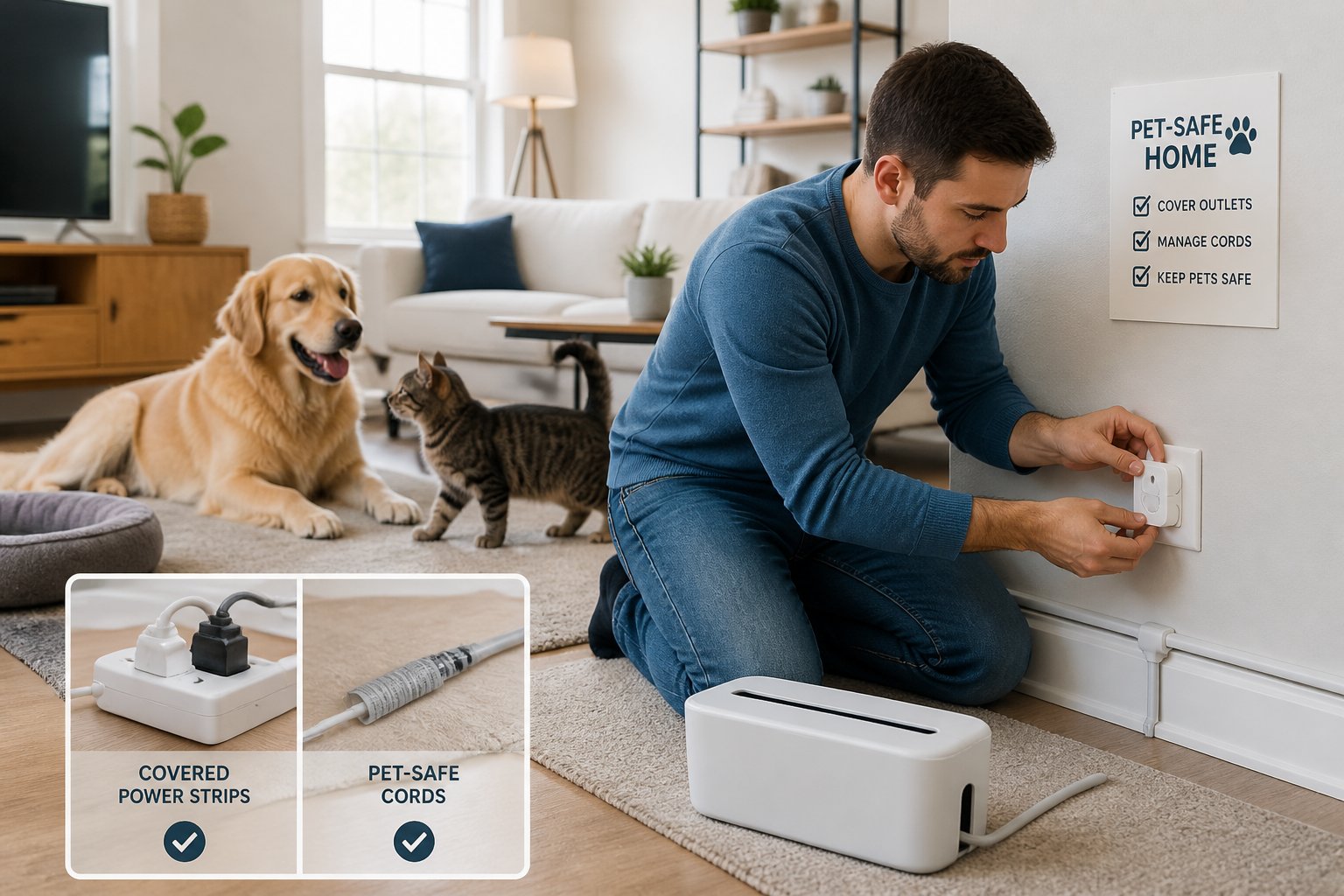
Tamper-resistant receptacles use internal shutters to block foreign objects. That’s a big deal in nurseries, playrooms, bedrooms, and anywhere kids or pets hang out. They add safety without making it harder to plug in your usual stuff.
Replacing Two-Prong Receptacles With Safer Options
Two-prong outlets are pretty outdated and usually mean limited grounding. Swapping them for three-prong outlets (when grounded properly) makes things safer and works better with today’s devices. If you’re not sure about your home’s grounding, ask an electrician—they can walk you through the safest upgrade.
Use Modern Outlet Upgrades To Improve Safety
Modern outlets can make your home safer and more convenient, plus they help protect your electronics. The right upgrades can save your devices and make outlet use less of a hassle.
When Surge Protection Helps Protect Devices And Wiring
Surge protection shields electronics from voltage spikes—think storms or appliances cycling on and off. Whole-home surge protection can be a lifesaver for computers, TVs, appliances, and smart home gear. It also helps your wiring last longer by reducing stress on sensitive stuff.
How Smart Outlets And Smart Plugs Add Control
Smart outlets and plugs let you schedule power, track usage, and even turn things off remotely. That can cut down on wasted energy and helps prevent you from leaving heaters or chargers running all day. In busy homes, these upgrades add both convenience and a bit more peace of mind.
Planning Outlet Upgrades For Older Homes
Older homes in Sacramento, Fair Oaks, and Carmichael may need a capacity check before adding new outlets or modern electronics. Planning ahead helps you future-proof your home for stuff like EV chargers or generators. It’s smart to start with checking your electrical capacity, not just counting outlets.
Know When To Call A Licensed Electrician
Some outlet problems are fine to spot, but not safe to fix yourself. If you’re dealing with heat, smoke, repeated tripping, or hidden wiring issues, it’s time to call an electrician.
Problems That Need Professional Diagnosis
Call a licensed electrician if you see sparking, buzzing, warmth, discoloration, or if plugs won’t stay put. Also call if breakers trip often, several outlets fail at once, or you think there’s bad wiring in the walls. An electrician can find the problem safely and suggest the right fix.
Why DIY Outlet Repairs Can Create Bigger Risks
Trying to fix outlets yourself can lead to shock, code violations, or hidden damage you might not even notice. Messing up wiring polarity, grounding, or balance can cause bigger headaches later. For anything complicated, it’s just safer to let a pro handle it.
What To Expect From Professional Electrical Services
Good electrical services should start with clear communication, a thorough inspection, and solid recommendations. At AAA Electrical Services, you’ll get licensed, certified electricians, same-day service if possible, upfront flat-rate pricing, and techs who respect your home. Their trucks are stocked for quick repairs, which is a relief when you want things fixed fast and right.
Frequently Asked Questions
How can I tell if an electrical outlet in my home is unsafe or needs replacement?
It’s time to worry if an outlet feels warm, smells burnt, sparks, buzzes, or can’t hold plugs tightly. Cracks, scorch marks, and repeated tripping are also big clues it needs replacing.
Where should I install GFCI outlets, and how often should I test them?
Install GFCI outlets in bathrooms, kitchens, laundry areas, garages, basements, crawl spaces, and anywhere outside. Test them monthly by pressing the test and reset buttons so you know they’re working.
What are the safest ways to use outlet covers to protect kids and pets?
Use snug, well-fitted outlet covers or tamper-resistant outlets where kids or pets can reach. Avoid loose plastic plug caps in outlets you actually use—they can come out or even be a choking hazard.
How do I avoid overloading outlets and power strips in high-use rooms?
Spread devices across different circuits and plug big appliances straight into the wall. If you need a bunch of power strips in one room, that’s a sign you might need more outlets or a circuit upgrade.
When should I use a surge protector, and how do I know when it needs replacing?
Use surge protection for computers, TVs, gaming systems, home office gear, and other sensitive electronics. Replace a surge protector after a major surge, if the indicator light goes out, or if it looks worn or damaged.
What can an outlet tester check, and how do I use one correctly?
An outlet tester helps you catch common wiring issues—think open grounds or hot and neutral wires swapped around. Just plug the tester into the outlet, check the lights, and compare them to the chart on the tester itself. If something seems off, it’s probably best to call a qualified electrician.