The best ways to organize electrical maintenance for homeowners really start with a plan you’ll actually follow. Treat your home’s wiring, devices, and protection systems as part of your normal routine—this helps you catch small issues early and avoid bigger surprises. That’s the kind of thing that supports safety and keeps things running smoothly, no matter if you’re in Sacramento, Roseville, Elk Grove, or somewhere else nearby.
Electrical maintenance doesn’t mean you have to turn your home into a never-ending project. It’s about using a few practical tips, knowing what you can check yourself, and understanding when it’s time to call in a licensed electrician for a closer look. A steady routine, plus calling in pros when needed, gives you the best shot at keeping your home safe, organized, and reliable.
Key Takeaways
- Small checks are easier to manage than big repairs.
- Panels, outlets, and outdoor areas need regular attention.
- A clear schedule helps you spot trouble before it grows.
Build A Simple Home Electrical Maintenance Schedule
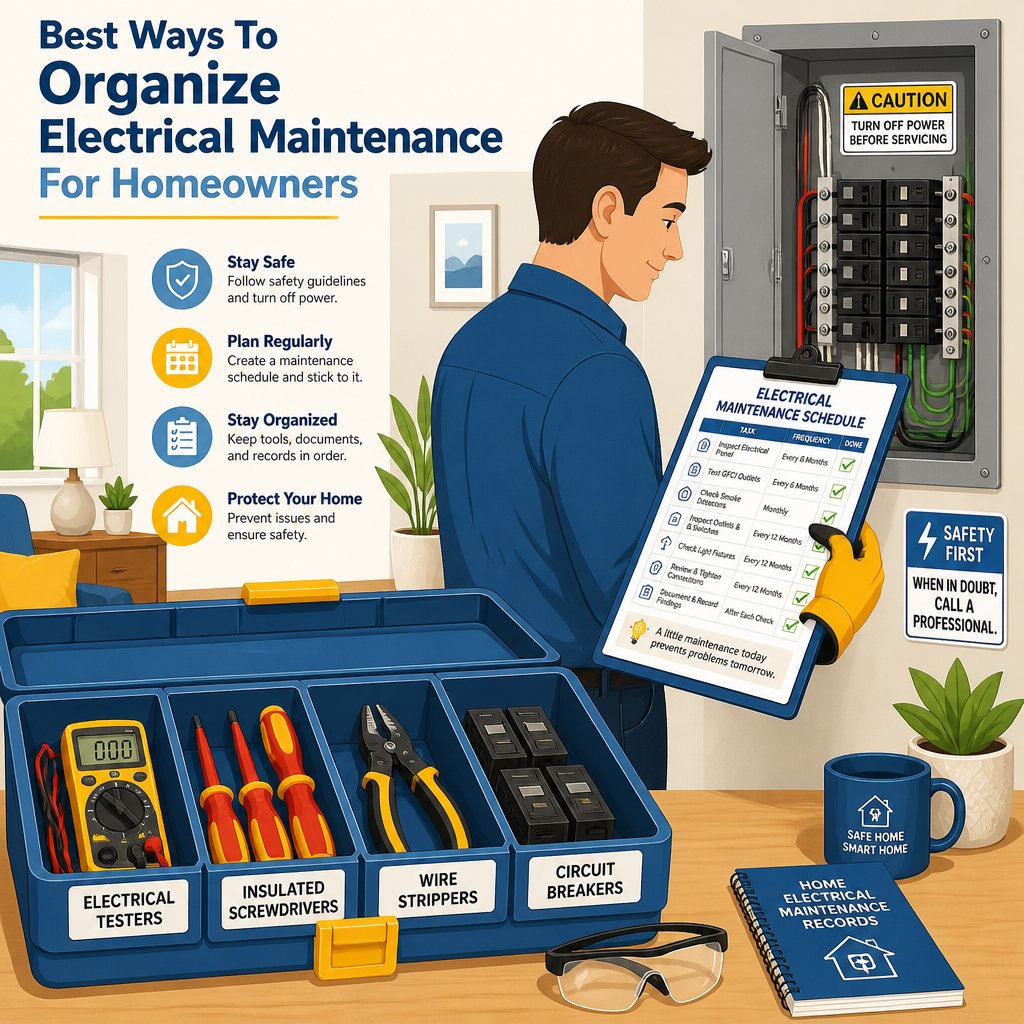
A workable schedule keeps electrical maintenance from getting lost in the shuffle. Your checklist should fit your home’s age, how you use it, and any past repairs. Leave room for electrical inspections if something just feels off.
Monthly Safety Checks To Put On Your Calendar
Once a month, walk through your main rooms and look for warning signs. Check outlets and switches for heat, weird sounds, loose covers, or discoloration. Make sure lights are acting normal. If anything feels unsafe, stop and call a pro.
Quarterly Walkthroughs For Panels, Devices, And Outdoor Areas
Every few months, check your electrical panel, big appliances, and anything outside. Make sure breaker labels still make sense, cords aren’t frayed, and exterior fixtures are solid. If you keep seeing the same problems, get a qualified electrician to dig deeper.
Annual Tasks That Deserve Professional Review
Once a year, let a licensed electrician take a look. They can test protection devices, check panel condition, review load patterns, and spot wear you might miss. With older systems, a pro can help you plan repairs before things get urgent.
How To Create An Electrical Maintenance Checklist That Stays Manageable
Keep your checklist short and specific to your home. Focus on the same rooms and devices each time, and jot down notes if something needs follow-up. A simple list is way easier to stick with than a long one you’ll ignore.
Start With The Electrical Panel And Circuit Map
Your electrical panel is basically the control center, so it should be easy to find and understand. A clear circuit map connects rooms, appliances, and breakers, making troubleshooting way faster when something goes wrong.
What Homeowners Should Know About The Electrical Panel
The panel sends power through the home and splits it between circuits. If it’s crowded, poorly labeled, or hard to reach, maintenance gets trickier and safety can take a hit. Keep the area clear, dry, and easy to get to.
How Circuit Breakers Protect Your Home
Circuit breakers shut off power if a circuit draws too much. This helps prevent overheated wires and fried equipment. When breakers work right, they can stop a problem before it gets out of hand.
Why Tripped Breakers And Circuit Breaker Trips Matter
A breaker that trips once isn’t usually a crisis, but if it keeps happening, pay attention. Frequent circuit breaker trips can mean overloaded circuits, a bad device, or a wiring issue. If the same breaker keeps tripping, don’t ignore it.
Labeling Circuits And Tracking Electrical Load
Label each breaker clearly so you know what it controls. Note which appliances or rooms use the most power, especially if you’ve got space heaters, EV chargers, or other big draws. Tracking usage makes it easier to avoid overloads and plan upgrades.
Check Outlets, Switches, Cords, And GFCI Protection
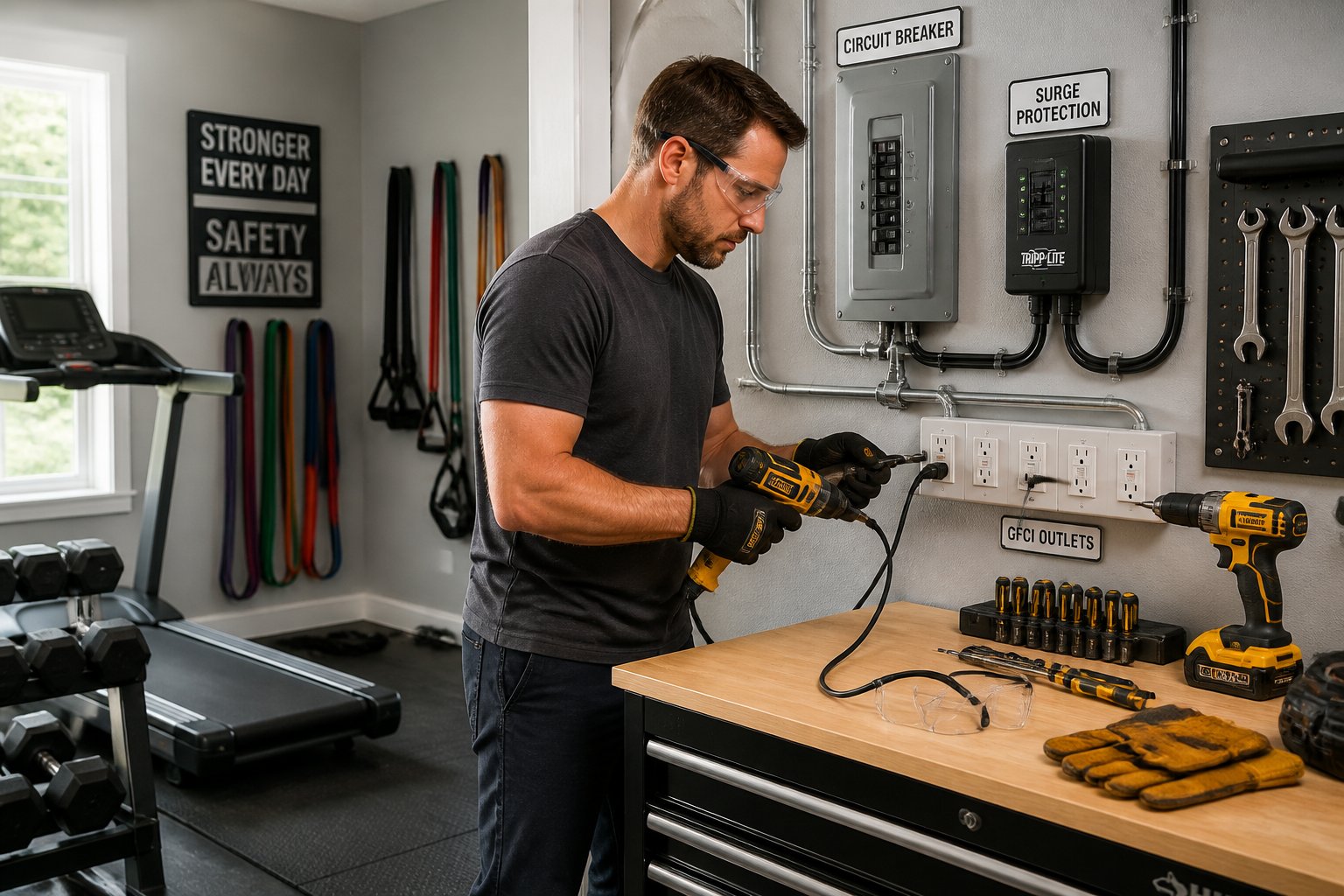
Outlets, switches, and cords are some of the first places you’ll spot trouble. They’re especially important in kitchens, bathrooms, garages, and outdoors where moisture and wear are common.
How To Test GFCI Devices Safely
A ground fault circuit interrupter protects you from shock in wet areas. Test GFCI outlets regularly—just press the button and see if they trip and reset, especially in kitchens, baths, garages, and outside. If a device doesn’t respond, call a licensed electrician.
Warning Signs At Outlets And Switches
Look out for warm faceplates, buzzing, cracked covers, or anything that feels loose. Discoloration, scorch marks, or exposed wires mean something needs attention now. If an outlet looks damaged, just replace it—it’s not worth the risk.
How To Use Extension Cords And Power Strips More Safely
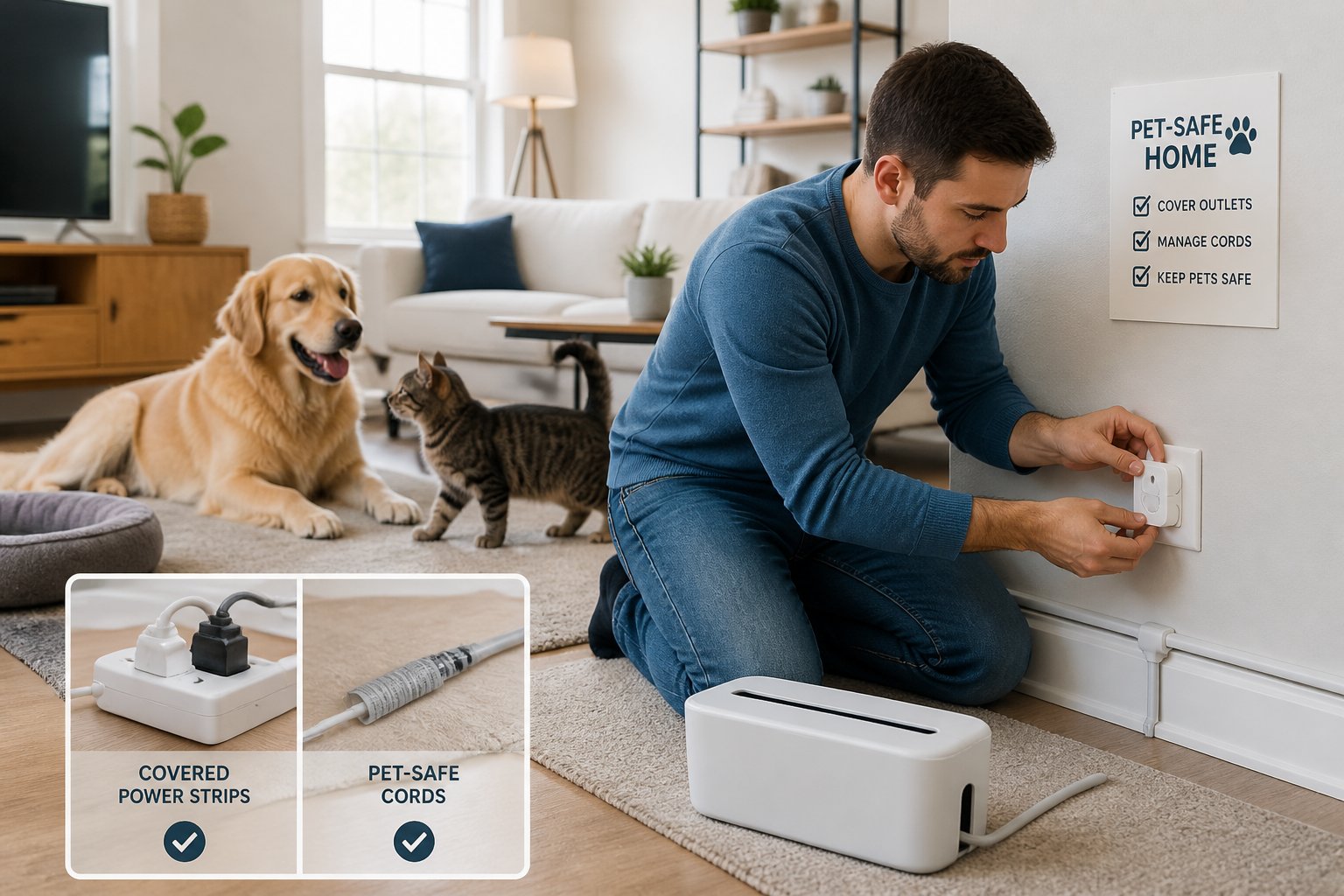
Extension cords, power strips, and surge protectors are for temporary use, not as permanent fixes. Check cords before using them, look for cuts or wear, and don’t overload any outlet. Too many devices plugged in at once is a recipe for problems, especially in rooms with lots of electronics.
When To Replace Worn Devices Instead Of Ignoring Them
If a plug feels loose, a switch acts weird, or a cord is damaged, just replace it. Worn parts can fail suddenly and turn into bigger headaches later. Taking care of it now can save you trouble (and maybe money) down the line.
Spot Warning Signs Before They Become Repairs
A lot of electrical problems start small. Paying attention to changes in how things work helps you act before minor issues turn into bigger headaches.
What Flickering Lights May Be Telling You
Flickering lights might mean a loose connection, a dying fixture, or a circuit that’s overloaded. If it’s just one appliance, the issue might be local. If it’s happening in several rooms, the problem could be deeper.
How Loose Wiring And Outdated Wiring Show Up In Daily Life
Loose wiring can cause power to cut in and out, humming, or devices that only work sometimes. Outdated wiring may struggle with modern appliances and smart gear. Don’t brush these signs off.
Signs Older Homes May Need Closer Attention
Homes with aluminum wiring or older electrical systems often need more frequent checks. If your house is decades old, you might see limited capacity, aging panels, or repeated breaker issues. It’s not always an emergency, but it’s a sign to stay on top of maintenance.
Red Flags That Mean It Is Time To Call For Help
Call a pro if you smell burning, hear crackling, see hot outlets, or lose power in part of the house for no clear reason. Same-day service can be a lifesaver when safety or essential rooms are involved. A good technician with a stocked truck can usually fix things quickly.
Include Outdoor Safety And Whole-Home Protection
Outdoor electrical parts get hit with more weather, sun, and moisture than anything inside. Regular checks help protect the outside of your home and the systems that support it.
Inspecting Outdoor Outlets And Exterior Fixtures
Check outdoor outlets, covers, and fixtures for cracks, rust, or loose parts. Everything should feel secure and dry, with nothing exposed to dirt or moisture. If something’s not right, fix it before the next heavy-use season.
Why Weatherproof Covers Matter In Sacramento-Area Conditions
Weatherproof covers keep outdoor outlets safe from dust, rain, and irrigation—things Sacramento-area homes deal with all the time. Even mild weather can wear things down over time. Good covers help your equipment last longer and work better.
Maintaining Outdoor Lighting For Safety And Reliability
Outdoor lights keep walkways and yards safe after dark. Check for burnt-out bulbs, motion sensor glitches, and loose fixtures so you’re not left in the dark. Reliable lighting also makes it easier to spot other problems outside.
Using Surge Protection As Part Of Preventive Care
Surge protectors help defend electronics from power spikes. They’re especially useful for entertainment systems, computers, and smart home gear. If you’ve got valuable equipment, whole-home surge protection might be worth talking to an electrician about.
Use Maintenance Reviews To Improve Efficiency And Plan Upgrades
Routine reviews aren’t just about avoiding repairs—they help you plan for a more efficient home. That’s important as more devices, chargers, and smart tech show up in your life.
Testing Detectors And Other Essential Safety Devices
Test carbon monoxide detectors, smoke alarms, and other safety devices regularly. Swap batteries as needed and make sure everything works on schedule. These quick checks are part of good maintenance and help keep your family safe.
Where Energy Efficiency Fits Into Electrical Upkeep
Your system runs more efficiently when everything’s in good shape. Old devices, bad wiring, and neglected parts waste energy. Regular maintenance helps you spot ways to improve performance without a lot of guesswork.
Planning For New Demand From Modern Equipment
New appliances, smart thermostats, EV chargers—they all add demand. If you’re adding this kind of equipment, review your electrical capacity before installing. That way, you avoid overloads and keep upgrades on track.
When A Professional Inspection Helps You Future-Proof The Home
A professional inspection is smart when you’re buying, remodeling, or adding big equipment. It can help you decide if you need panel work, new circuits, or other upgrades now—not after something fails. If you’re in Sacramento, Natomas, Folsom, Rocklin, or nearby, AAA Electrical Services can help you plan safe improvements that fit your home’s needs.
Frequently Asked Questions
How can I set up a simple electrical maintenance schedule for my home?
Start with monthly visual checks, quarterly walkthroughs, and a yearly professional review. Keep your routine focused on the same areas so it’s easy to follow. A short checklist you’ll actually use beats a long one you’ll forget.
How often should I inspect outlets, switches, and circuit breakers?
A quick monthly look is a good habit, with a deeper check every few months. If you notice heat, discoloration, frequent breaker trips, or loose outlets, check those spots sooner. Repeated problems? Call a qualified electrician.
What are the key safety rules I should follow before doing any electrical checks?
Turn off power if needed, keep your hands dry, and don’t open equipment you don’t understand. Never touch exposed wires or force anything that feels stuck. If you’re not sure about a task, bring in a licensed electrician.
What should be included in a homeowner electrical maintenance checklist?
Cover the panel, breakers, outlets, switches, cords, GFCI devices, outdoor fixtures, detectors, and any known problem areas. Add notes about recurring issues and follow-up dates. That makes it easier to spot patterns over time.
Which electrical maintenance tasks are easy for homeowners to do, and which require an electrician?
You can usually handle visual inspections, GFCI testing, cord checks, and simple label updates. Leave repairs, panel work, rewiring, breaker replacement, and anything involving exposed wires to a pro. Same-day service helps when it’s urgent.
What are the most commonly overlooked electrical maintenance tasks in a typical home?
Honestly, a lot of folks just forget about outdoor outlets—they're out of sight, out of mind, right? Power strips are another one; they sit plugged in forever, collecting dust, and no one ever checks them. Then there are detectors—smoke, carbon monoxide, you name it. People rarely test those as often as they should, even though they know better. Oh, and circuit labels? Most people skip labeling them, but when the power goes out or something needs fixing, you really wish you'd taken a few minutes to do it. These little things might not seem urgent, but they can save you a headache (or worse) down the road.