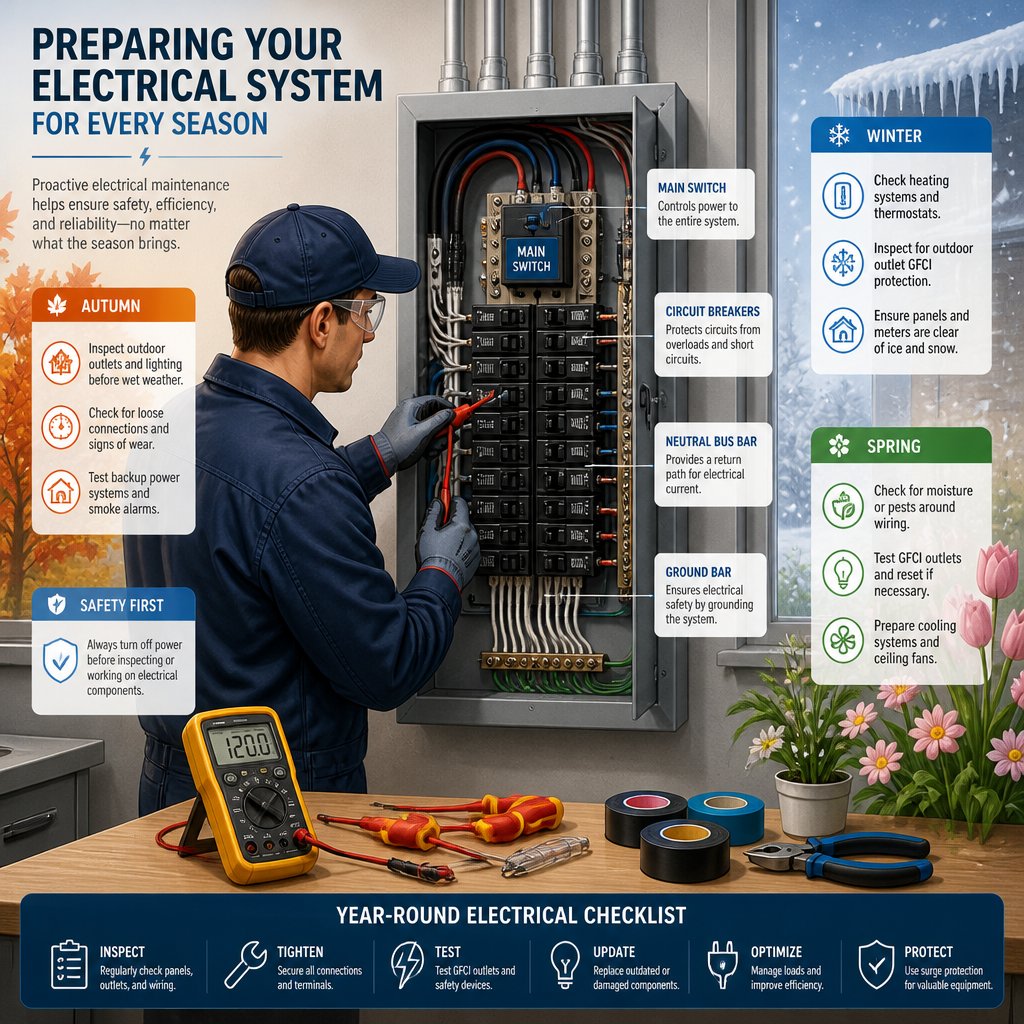
Best Ways To Prepare Your Electrical System For Seasonal Changes starts with noticing small issues before they grow into unsafe or expensive repairs. You can protect your home by watching for early warning signs, testing key safety devices, and planning ahead for heavier summer and winter electrical use.
For homeowners in Sacramento and nearby areas like Roseville, Elk Grove, Folsom, and Citrus Heights, seasonal electrical maintenance is one of the simplest ways to keep your family safe and your system reliable. A few practical maintenance habits can help you avoid surprise outages, reduce strain, and keep your home ready for whatever weather shows up.
Key Takeaways
- Small warning signs can point to bigger electrical issues.
- Testing panels and safety devices helps prevent seasonal problems.
- Preventive service supports safer, more reliable home power.
Start With The Warning Signs That Need Attention
Your home usually gives you clues before something goes seriously wrong. Pay attention to changes in lights, outlets, and breaker behavior—those are your first hints that your system needs attention.
If you notice heat, strange odors, or visible wear, don't wait. Those can mean overloaded circuits, damaged parts, or wiring concerns that really deserve a licensed electrician.
What Flickering Lights, Buzzing Outlets, And Warm Outlets Can Mean
Flickering lights might point to loose connections, an overloaded circuit, or a fixture that's pulling too much power. Buzzing and warm outlets are more serious—those can mean arcing, worn parts, or poor contact inside the device.
If you see these issues in several rooms, it could be tied to seasonal demand or a bigger wiring problem. It's not something you want to ignore, especially when you're already asking your home to handle extra heating or cooling.
Why Tripped Breakers Should Not Be Ignored
When a breaker trips, your electrical system is trying to protect itself. A single trip might just be a temporary overload, but repeated trips usually mean overloaded circuits, failing appliances, or a breaker that's on its last legs.
If the same circuit keeps shutting off, jot down what was running at the time. That info helps your electrician figure out what's really going on.
When Burning Smells, Frayed Wires, Or Damaged Outlets Mean Call A Pro
A burning smell near an outlet, panel, or appliance needs same-day attention. Frayed wires and damaged outlets can leave live parts exposed and raise the risk of shock or fire, so don't mess around—call a licensed electrician right away.
If you see physical damage, just avoid using that circuit. Acting quickly can keep a small issue from turning into a big expense or a real safety hazard.
Check Your Panel, Circuits, And Safety Devices First
Your panel and safety devices quietly do a lot of heavy lifting year-round, especially when your home's demand changes with the seasons. A quick inspection can help you spot weak spots before they cause trouble or create a safety risk.
This is a good time to start or update a maintenance log, too. Keeping notes on recurring issues makes it easier to spot patterns and schedule the right maintenance when you need it.
How Circuit Breakers Handle Seasonal Demand
Circuit breakers shut off power when a circuit draws too much current. During Sacramento's hot summers or those chilly winter weeks, your home runs more fans, space heaters, or kitchen appliances, and that can push a circuit closer to its limit.
If certain breakers trip more often during extreme weather, your system might need better load management or maybe a panel review. In older homes, this is especially important.
Test GFCI Outlets In Kitchens, Bathrooms, Garages, And Outdoors
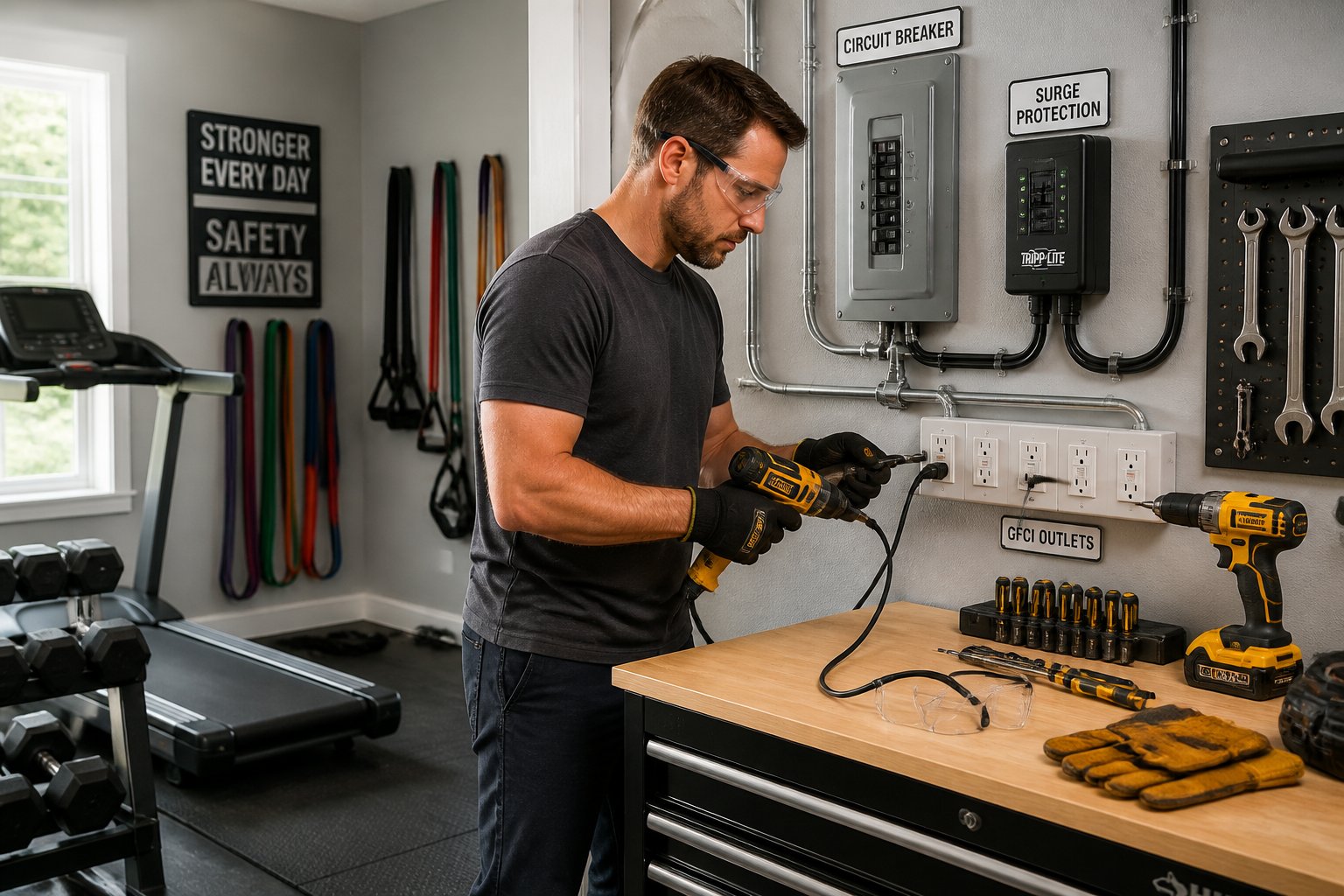
Ground fault circuit interrupters (GFCIs) lower shock risk in places where water is more likely. Test GFCI outlets in kitchens, bathrooms, garages, and outside to make sure they reset and trip correctly.
If a GFCI won't reset, or if several fail the test, you might have a wiring, moisture, or device issue. That's a good time to call a licensed electrician.
Use A Maintenance Log To Track Recurring Problems
A simple log helps you stay organized. Write down which circuit tripped, what appliances were running, if a light flickered, and what the weather was like.
Patterns matter. If the same outlet, breaker, or room keeps having issues, a record helps you trace the source and fix it before the next season puts more strain on your system.
Prepare For High-Demand Summer And Winter Loads
Seasonal comfort systems put a heavy load on your home. Summer cooling and winter heating both raise electrical demand, so focus on the equipment and circuits that work hardest.
A little planning now can reduce wear and tear, cut down on nuisance shutdowns, and boost reliability when the weather gets tough.
Reduce Strain From Cooling Equipment And Inspect Ceiling Fans
Check ceiling fans before warm weather hits—make sure they're balanced, secure, and running smooth. Fans help circulate air and take some pressure off your cooling system, which can ease the load on your electrical setup.
If you use window units or portable coolers, plug them into the right circuits and avoid sharing with other high-demand appliances. That kind of load balancing helps prevent breaker trips on those blazing afternoons.
Inspect Heating Systems Before Cold Weather Arrives
Check heating systems before the temperature drops, especially if they use electric parts, blowers, or controls. Loose connections or worn parts often show up right when you need heat the most.
In places like Rocklin, Auburn, or El Dorado Hills—where winter can turn on a dime—getting ahead of heating issues helps you avoid emergency calls when it gets cold. Plus, it gives you a chance to tackle weak circuits before peak demand.
Prevent Power Surges During Storms And Heavy Appliance Use
Power surges can fry electronics, appliances, and controls—especially during storms or when big appliances cycle on and off. Surge protection at the panel and point-of-use surge protectors both help lower the risk.
If your home relies on expensive electronics, a smart TV setup, or modern appliances, layered protection just makes sense. It's a practical move for long-term reliability and peace of mind.
Protect Outdoor Power, Lighting, And Seasonal Decorations
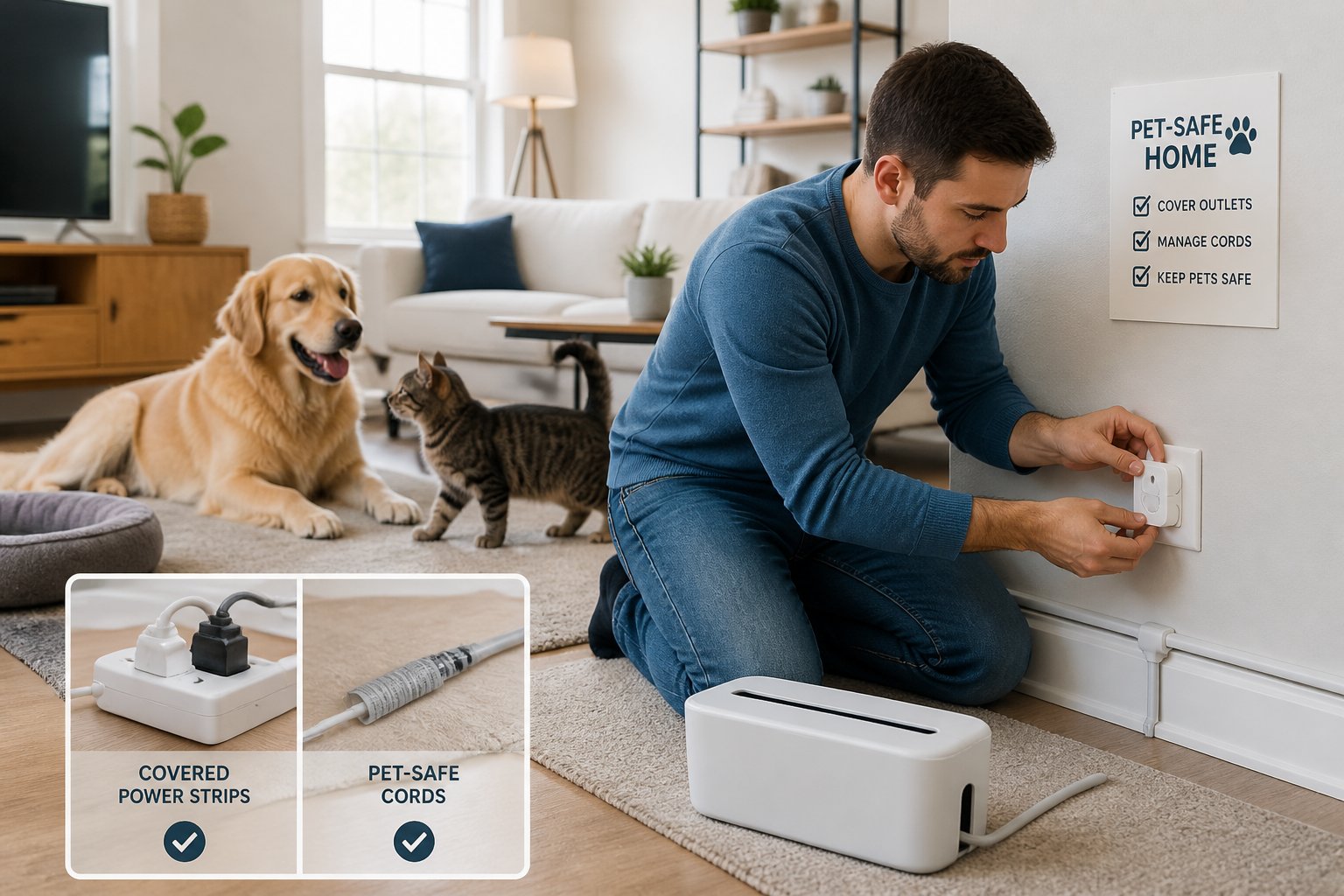
Outdoor electrical use brings weather, moisture, and extra load into play. Before you plug in lights or decorations, check the outlets and cords you'll use.
Safer outdoor setups start with products made for the outdoors and a plan to avoid overloading circuits.
Check Outdoor Lighting And Weather-Exposed Outlets
Look at outdoor lighting for cracked lenses, loose mounts, and signs of moisture. Weather-exposed outlets need proper covers and shouldn't show rust, stains, or heat damage.
If you use outdoor spaces a lot—from patios in Carmichael to yards in Fair Oaks—these quick checks can save you headaches. They help you spot small problems before rain, heat, or winter moisture makes them worse.
Use Outdoor-Rated Extension Cords And Heavy-Duty Extension Cords Safely
Always use outdoor-rated extension cords if the cord will be outside or exposed to weather. Heavy-duty cords should match the amperage needs of your lights or gear, and don't run them under rugs, doors, or anywhere they could get pinched.
If a cord feels warm or looks frayed, just replace it. Safe cord use is an easy way to lower fire risk and keep your seasonal setup running.
Inspect Holiday Lighting Without Overloading Circuits
Check holiday lights for damaged bulbs, cracked insulation, and loose plugs before you hang anything. Connecting too many decorations to one circuit can overload it and trip breakers at the worst moment.
Try spreading the load across multiple circuits and use LED lights when you can. It keeps your display bright without stressing your home's wiring.
Test Backup Power And Home Safety Devices
Backup power and safety devices matter most when the lights go out or things change fast. Testing them ahead of time gives you a better shot at staying safe and comfortable.
Now's a good time to check if your standby generator, smoke alarms, and carbon monoxide detectors are ready for action.
Make Sure Smoke And Carbon Monoxide Protection Is Working
Test your smoke alarms and carbon monoxide detectors regularly, and replace them as the manufacturer says. Batteries, wiring, and age all affect how well these work when you need them.
If your home has gas heat, a fireplace, or a standby generator, carbon monoxide protection is a must. A working detector gives you an early warning that can save lives.
Get Your Standby Generator Ready Before Outages Happen
Check your standby generator before storm season or when outages are likely. Test startup, check transfer operation, and make sure fuel, ventilation, and controls are in good shape.
Thinking about getting a generator or need service on the one you have? A licensed electrician can make sure it's set up safely and ready to go. That's important in places where outages can really disrupt your routine.
Know Which Electrical Problems Need Same-Day Service
Some issues just can't wait—loss of power to part of the house, repeated breaker trips, burning smells, sparking, or hot outlets all need same-day service.
When you call, try to describe the issue clearly so the electrician can arrive with the right parts and tools. At AAA Electrical Services, that safety-first approach, plus fully stocked trucks, helps you get repairs handled quickly with less hassle.
Know When Preventive Service Is Worth It
Not every maintenance task needs a pro, but some are worth calling a licensed electrician for. The goal is to keep your system safe, efficient, and ready for whatever comes, without extra stress.
Seasonal electrical maintenance works best when you combine simple homeowner checks with professional inspections that catch hidden issues early.
What Homeowners Can Safely Check Themselves
You can safely look for visible damage, test GFCI outlets, listen for buzzing, and keep track of breaker trips. Check that cords are in good shape, light fixtures work, and outdoor outlets have weather protection.
Stick to what you can see—if you find damaged outlets, frayed wires, or overheating, stop there and call a pro.
What A Professional Seasonal Inspection Should Cover
A pro should check the panel, breakers, outlets, wiring, grounding, and any areas with repeat issues. Licensed electricians look for overloaded circuits, loose connections, and devices that aren't keeping up with what you need.
In homes around Sacramento, Natomas, Woodland, and nearby areas, this kind of inspection is especially useful before summer cooling or winter heating ramps up.
How Preventive Maintenance Supports Long-Term Reliability
Good electrical maintenance cuts down on emergencies, boosts safety, and helps your gear last longer. It also gives you a plan for future upgrades, whether that's surge protection, new outlets, better lighting, or prepping for a generator or EV charger.
When you work with a company like AAA Electrical Services, you should get honest advice, flat-rate pricing, and techs who treat your home with respect. That kind of service gives you confidence that your electrical system will hold up through every season.
Frequently Asked Questions
What home electrical checks should I do before winter to avoid outages and safety issues?
Test GFCI outlets, look for flickering lights, and check for damaged cords, outlets, or switches. Make sure your panel is labeled and no breakers are tripping again and again.
Which appliances tend to use the most electricity during the winter months?
Space heaters, electric furnaces, heat pumps, water heaters, and laundry gear usually use the most power in winter. Kitchen appliances can add to the load when you're cooking more at home.
How can I lower my heating costs without sacrificing comfort?
Seal up drafts, schedule heating maintenance, and use ceiling fans to move warm air around. Try not to run extra appliances on the same circuits as your main heating gear.
What thermostat settings usually help save money in cold weather?
If you dial things back a bit while you're sleeping or out of the house, you can cut down on energy bills without turning your place into an icebox. The “right” setting honestly depends on your home, but in general, keeping things steady and efficient works out better than constantly cranking the temperature up and down.
What window treatments can help insulate my home and reduce energy use?
Cellular shades, insulated drapes, or even well-fitted blinds do a pretty solid job holding heat in. If you close them at night and remember to open them up when the sun’s out, you’ll probably notice your place stays more comfortable—and your heating system won’t have to work as hard.
What can I do to cut down on air conditioning electricity use before summer starts?
Book a seasonal electrical check, take a look at your ceiling fans, and see if the outdoor units and their circuits are holding up. It’s smart to double-check your surge protection and make sure you’re not already pushing any circuits to their limit—nobody wants surprises when that first heat wave rolls in.