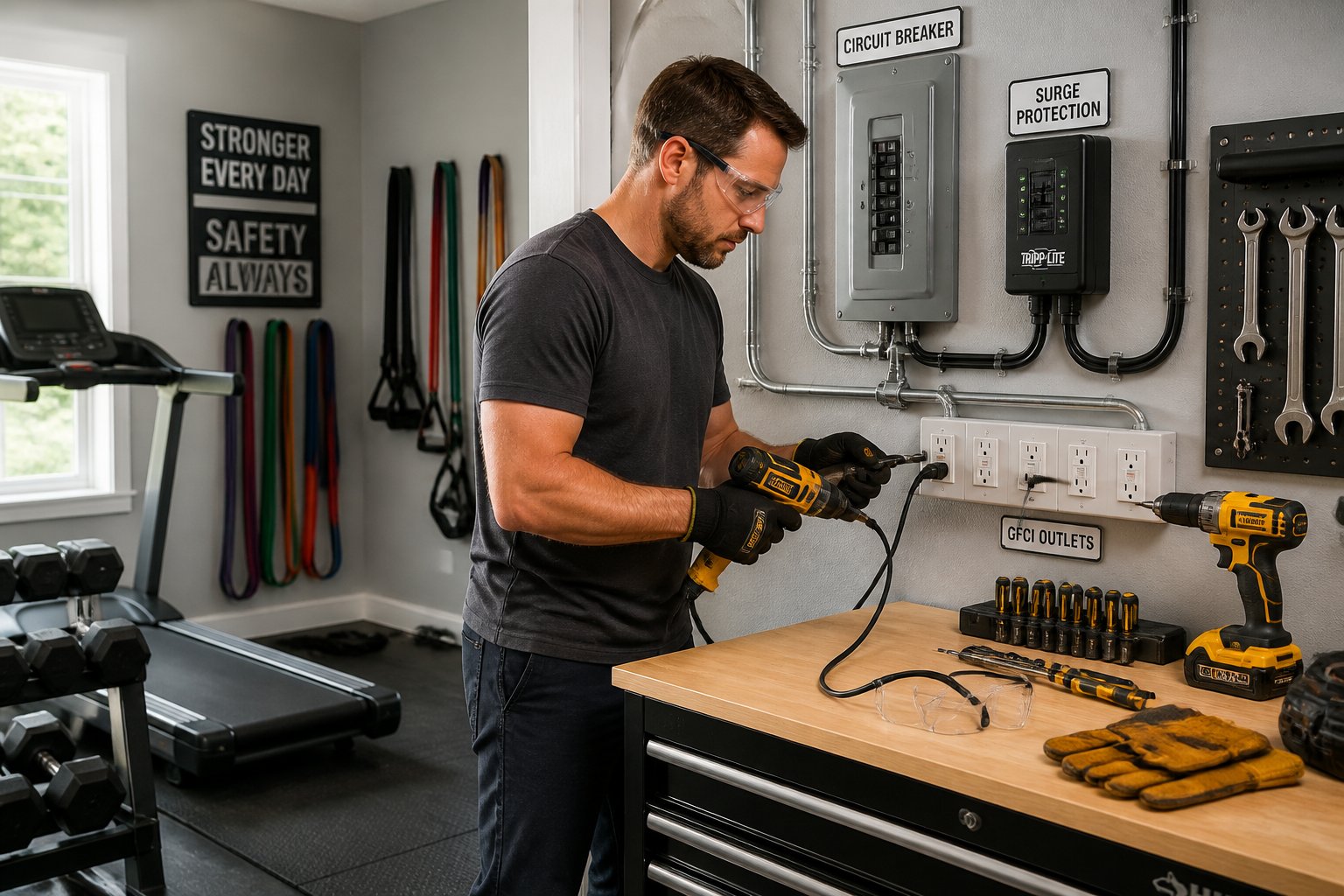
Your home’s electrical system should fit the way you live now—and the upgrades you might want down the road. If you’re thinking about an electrical upgrade, it’s smart to prepare early, check your home’s current setup, and make choices that support safety, capacity, and flexibility.
That’s especially true for older Sacramento-area homes, or even newer ones that are starting to feel the pinch of modern demands. Planning ahead can help you sidestep last-minute fixes, cut down on chaos, and make future electrical upgrades way easier when you’re ready.
Key Takeaways
- Look for warning signs before things get out of hand.
- Always start with a pro inspection and set clear priorities.
- Build in extra capacity, safety, and room to grow.
Spot The Signs Your System Needs Attention
Your house usually gives you hints when the electrical system’s struggling. Breakers tripping, lights dimming, or old equipment—they all point to limits in your panel, wiring, or outlets, especially if you’re planning renovations.
Frequent Breaker Trips, Flickering Lights, And Other Red Flags
If your breakers are tripping a lot, your system’s probably overloaded. Flickering lights, warm outlets, buzzing, or breakers that just won’t stay on? Time to call a licensed electrician.
Folks in Sacramento, Roseville, Elk Grove, and nearby spots might notice these issues after adding more gadgets, home office gear, or big appliances. The sooner you deal with them, the easier it is to plan safe electrical upgrades—way better than waiting for an emergency.
Outdated Wiring, Ungrounded Outlets, And Aging Panels
Old wiring can’t keep up with modern needs. Ungrounded outlets, two-prong plugs, and ancient panels create real headaches when you want to add new appliances, surge protection, or circuits.
If your home’s still running on gear meant for lighter use, it’s often smarter to upgrade than keep patching things up.
When Home Renovations Reveal Hidden Electrical Problems
Renovations have a way of exposing hidden issues behind your walls or ceilings. Once you open things up, you might find outdated wiring, overloaded circuits, or outlets that don’t fit your new layout.
If you’re already opening walls for a kitchen, bath, or garage project, it makes sense to plan for future electrical upgrades too. Why not tackle it all at once and save yourself a headache later?
Start With A Professional Assessment
A solid inspection gives you a real sense of what your home can handle now—and what it might need next. A licensed electrician checks your wiring, safety issues, and panel capacity before you commit to anything.
Why A Licensed Electrician Should Inspect First
Licensed electricians catch problems most of us would miss—overloaded circuits, old wires, loose connections, or signs your system’s just not keeping up.
This step takes out the guesswork. You’ll have a safer, clearer starting point for repairs or bigger projects.
What A Licensed And Insured Electrician Looks For
A licensed and insured electrician will check your panel, wiring, outlets, switches, and any devices that need their own circuit. The inspection might include load calculations, looking for heat damage, and checking for code issues.
For Sacramento homeowners, this really matters if you’re adding EV charging, generators, or big appliances. AAA Electrical Services uses these assessments to help folks make good choices—no unnecessary work, just what you really need.
How An Electrical Contractor Helps You Prioritize Work
A good contractor helps you sort out what’s urgent and what can wait. Focus on safety first, then convenience, extra capacity, and long-term reliability.
A solid plan means honest talks about what’s pressing and what’s not. It also helps you budget, with fewer surprises and a clearer timeline.
Plan For Capacity, Layout, And Daily Use
Future-ready homes aren’t just about bigger panels—they’re about smarter placement and better load distribution. Think about where you need power, what equipment uses the most energy, and how upgrades can help both.
Additional Outlets Where Modern Homes Need Them Most
Extra outlets cut down on extension cords and power strips. Kitchens, home offices, living rooms, garages, laundry rooms, and outdoor spots usually need them most for charging, tools, appliances, and everyday things.
Remodeling in Folsom, Fair Oaks, Carmichael, or Natomas? Now’s the time to rethink outlet placement. A better layout makes your home more usable and saves you from future patch jobs.
Dedicated Circuits For High-Demand Equipment
Some equipment just needs its own circuit—think fridges, microwaves, laundry gear, EV chargers, workshop tools, or certain heaters and ACs.
With dedicated circuits, your system’s less likely to trip breakers during heavy use. Plus, you’ll have room to add appliances later without overloading everything else.
How Panel Replacement Supports Future Power Needs
Panel replacement is often the smartest move if your current panel’s maxed out. A new panel supports more upgrades, bigger appliances, and spreads power more evenly.
Expecting to add solar, a generator, or smart home stuff? Panel capacity is key. Plan that upgrade early—you’ll save yourself extra work down the line.
Bring Safety Features Up To Current Standards
Safety upgrades matter as much as extra capacity. Modern protection devices cut shock and fire risks and bring your home closer to today’s standards.
How NEC And National Electric Code Rules Affect Upgrades
The nec—that’s the national electric code—sets the baseline for most home electrical safety rules. Local permitting and inspections in Sacramento usually follow these closely, especially for new circuits, panels, and outlets.
Upgrading to current code isn’t just about compliance. You get a safer, easier-to-maintain system that’s better set up for future changes.
Where GFCI Outlets Improve Protection
GFCI outlets are a must where water and electricity mix—kitchens, baths, garages, laundry rooms, unfinished spaces, and outdoors.
If your place still lacks these in the right spots, adding them is one of the best upgrades you can make. They boost safety without changing how you use the space.
Why AFCI Protection Matters In Older Homes
AFCI protection helps prevent electrical arcing, which is a risk with old or damaged wiring. Older homes in Citrus Heights, Auburn, Woodland, and similar areas can really benefit from this during panel or circuit updates.
It’s extra important when swapping out old breakers or adding circuits to busy rooms. That extra layer? It’s peace of mind for the long haul.
Replacing Two-Prong Receptacles With Grounded Outlets
Still have two-prong outlets? That’s a sign your wiring’s dated. Swapping them for grounded outlets gives you a safer base for electronics, appliances, and modern chargers.
It also makes it easier to use gear that needs real grounding and surge protection. If you’re already upgrading, tackle these outlets too—it’s just practical.
Prepare For Rewiring And In-Home Work
Planning to rewire? A little prep goes a long way. Clearing space, protecting finishes, and planning for power shutoffs can make the whole process less stressful.
What To Expect When Rewiring Your Home
Rewiring means opening walls, running new cables, swapping out old parts, and maybe updating the panel or main circuits. How messy it gets depends on your home’s age, layout, and how much needs replacing.
A clean, organized site helps the crew work faster and safer. A respectful, well-prepped team with stocked trucks really does make a difference.
Clearing Access To Panels, Walls, And Work Areas
Before work starts, move furniture, storage, and wall art out of the way. Make sure the electrical panel’s easy to reach and clear out closets, attics, basements, or garages where wiring might get updated.
If you’re in Rancho Cordova, El Dorado Hills, or Lincoln, think about the routes techs will need. A little prep time saves hassle and protects your stuff.
Planning Around Temporary Power Shutoffs
Power will probably be off for a while during rewiring and panel work. Charge your devices beforehand, plan meals, and figure out which rooms or appliances matter most during the outage.
Ask for a timeline before things start, and get clear on steps to protect food, medical devices, or office equipment. Honest heads-up about power loss keeps everyone sane.
Future-Proof With Smart And Convenience Upgrades
The best way to prep for future electrical upgrades? Add features that make life easier now. Smart controls, better lighting, and efficient climate systems all work better with a solid electrical foundation.
Smart Lighting And Dimmer Switches
Smart lighting boosts comfort, saves energy, and adds convenience. Dimmer switches give you more control in living rooms, bedrooms, dining spaces, and halls.
These upgrades really shine when installed with the right wiring and switch setup. That way, you’re ready for more smart home features later—no need for major changes.
Smart Thermostats And Smart Home Features
A smart thermostat helps you manage comfort and energy bills. Paired with other smart devices, it can create a more connected home—without overloading your system.
If you’re planning upgrades, ask about wiring and capacity for connected tech. That keeps your house ready for whatever comes next, whether you’re in Sacramento, Rocklin, or nearby.
Choosing Upgrades That Improve Long-Term Reliability
Pick upgrades that’ll last. That usually means reliable outlets, right-sized circuits, stronger panels, and devices that match your real needs.
A thoughtful plan makes future generator installs, EV chargers, and solar-related changes much easier. Build around capacity and safety first, and you’ll handle new tech with less hassle.
Frequently Asked Questions
How do I know if my electrical panel has enough capacity for future upgrades?
You’ll need enough capacity for your current load plus any new gear you want to add. A licensed electrician can check the panel rating, available breaker spots, and your home’s actual demand to see if a panel replacement or service upgrade is needed.
What are the signs that my home’s wiring should be replaced or updated before adding new circuits?
Frequent breaker trips, flickering lights, old wiring, and ungrounded outlets are big red flags. If you notice heat, burning smells, or visible damage near outlets, get the wiring checked before adding more circuits.
How much does it typically cost to upgrade a residential electrical panel?
Costs vary based on your home’s size, the system’s condition, permits, and any related work. A licensed electrician can give you a solid estimate after checking your panel and wiring.
What permits or inspections are usually required before making electrical upgrades in a home?
Most big electrical upgrades need permits and a final inspection—especially for panel replacements, new circuits, or rewiring. Requirements change by city or county, so your contractor should help you handle the local process.
What can I do during a remodel to make future electrical additions easier and less expensive?
Add conduit if you can, plan for extra outlets, leave room in the panel, and think ahead about where appliances will go. If walls are open, it’s way easier to prep for future upgrades than to tear into finished spaces later.
How can I plan for future high-demand appliances like EV chargers, heat pumps, or induction ranges?
First off, take a look at your panel, service size, and wiring—can they actually handle more load? Honestly, it’s a good idea to get a licensed electrician involved. They’ll help you figure out things like dedicated circuits, whether your panel needs an upgrade, and where outlets should go. That way, you won’t run into annoying surprises when you’re ready to add those new gadgets.