Older homes can still be safe and reliable for modern life—if you keep up with electrical fire risks. The biggest gains usually come from catching warning signs early, updating worn wiring and panels, and adding modern protection where your system needs it. Honestly, if you jump on small problems before they spread, you’ll cut down the chance of electrical fires and keep your family safer with practical electrical safety steps.
In older Sacramento-area homes, aging parts, overloaded circuits, and hidden wiring damage can create electrical hazards long before anything actually fails. That’s why the best ways to reduce electrical fire risks in older homes focus on prevention, quick repairs, and a smart plan for electrical upgrades that match your daily needs.
Key Takeaways
- Catch warning signs before things get risky.
- Upgrade old wiring and panels when needed.
- Add modern protection and regular checks for peace of mind.
Spot The First Signs Of Trouble
You’ll usually spot early electrical problems through small clues—lights acting weird, warm outlets, or breakers that keep tripping. Catching these early can help you avoid hazards, reduce overloads, and lower the risk of fires.
Flickering Lights, Buzzing, And Burning Smells
Flickering lights often mean loose connections, bad wiring, or overloaded circuits. Hear a buzzing from a switch, outlet, or the panel? That’s another hint something’s arcing or getting too hot.
A burning smell, even if it’s faint, needs attention right away. If you catch that smell near an outlet or panel, stop using it and get it checked out ASAP.
Breaker Trips, Blown Fuses, And Circuit Overload Warnings
Breakers that trip a lot or fuses that blow aren’t just annoyances—they’re clues your system’s under strain. Older homes weren’t built for today’s kitchens, offices, and all those chargers, so overloads happen fast.
If the same breaker keeps tripping, don’t just reset it and move on. That’s a sign the circuit’s either overloaded, damaged, or needs a safer design.
Discolored Outlets, Warm Switches, And Other Visible Red Flags
Discolored outlets, scorch marks, and warm switches are all signs something’s wrong. Heat at an outlet or switch face usually means loose wiring or failing parts.
Keep an eye out for cracked covers, loose plugs, or outlets that just don’t feel right. These little things can tip you off to bigger issues before they turn into fires.
Fix The Highest-Risk Wiring And Panel Issues
The biggest fire risks in older homes often hide behind walls or inside your service panel. It’s smart to focus first on old electrical systems, damaged wiring, and panels that can’t keep up with your home’s needs.
Why Outdated Wiring Creates Hidden Fire Hazards
Old wiring wears down, especially when insulation gets brittle or connections loosen up. As you add more devices, outdated systems can’t always handle modern loads without overheating.
That kind of hidden stress is risky. A good evaluation will show if you need targeted upgrades, rewiring, or a bigger plan that meets today’s codes.
Knob-And-Tube And Aluminum Wiring Concerns
Knob-and-tube wiring, common in much older homes, lacks modern grounding and insulation. Aluminum wiring also needs extra care—connections can loosen or oxidize if not installed or maintained right.
Copper wiring tends to be more reliable for homes now, as long as it’s installed correctly. Still have knob-and-tube or old aluminum wiring? A licensed electrician can help you figure out if repair, replacement, or a full retrofit is best.
When An Electrical Panel Or Panel Upgrade Is Needed
Your electrical panel should fit your home’s size and energy demands. If you’re adding big appliances, EV charging, a generator, or solar equipment, a panel upgrade is probably the safest move.
A worn or too-small panel can cause breaker problems and block future upgrades. In older Sacramento homes, a modern panel usually means more capacity, better safety, and solid reliability.
Add Modern Protection Where Older Homes Need It Most
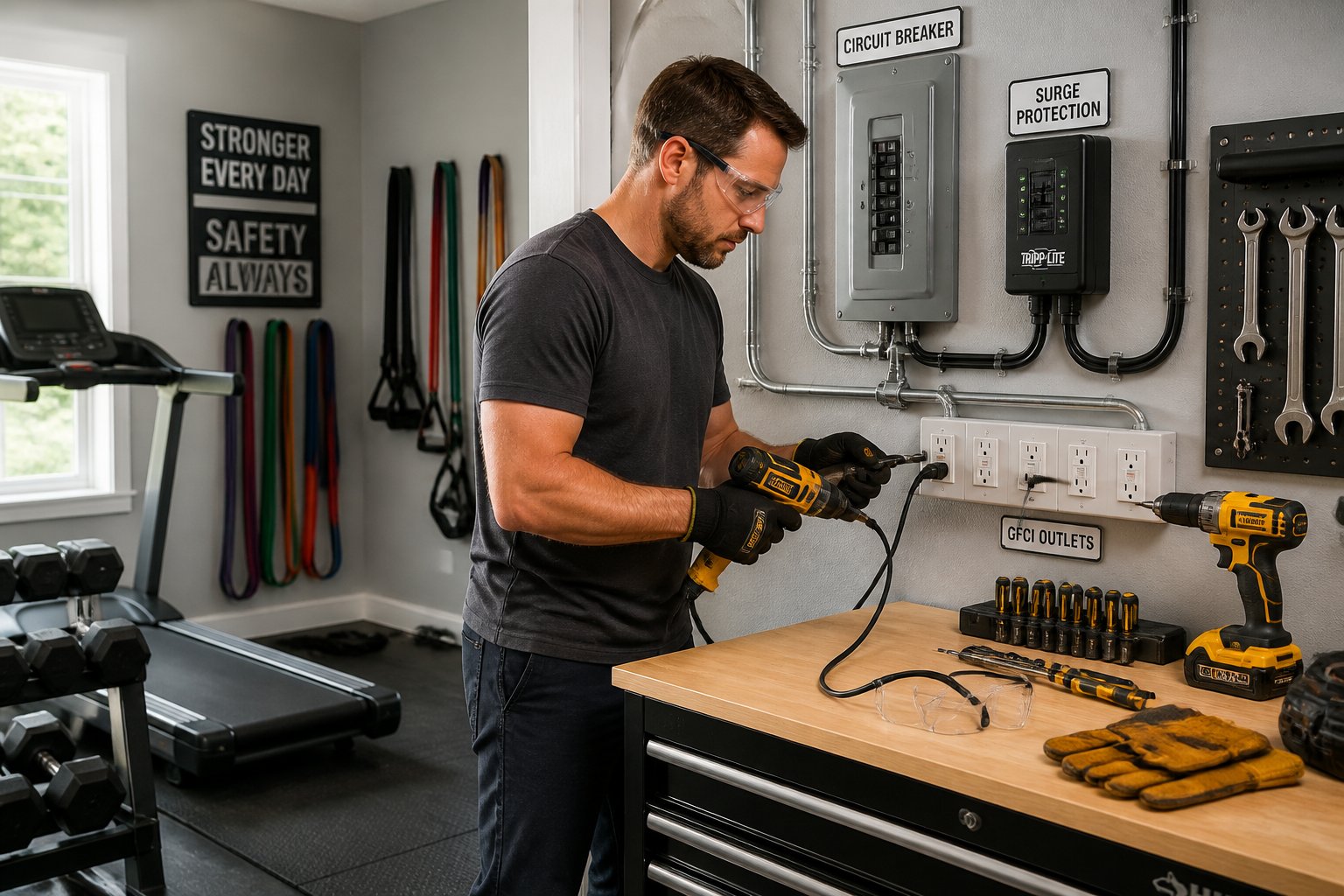
Modern safety devices really help in older homes—especially where old circuits meet daily appliance use. AFCI, GFCI, and surge protection each cover different risks, and together, they seriously boost safety.
How AFCI Protection Helps Stop Arc Faults
Arc faults happen when electricity jumps through damaged insulation or loose connections. That can make heat before a breaker even notices, which is why AFCI protection matters.
Arc fault circuit interrupters catch those dangerous patterns faster than standard breakers. Adding AFCI devices in bedrooms, living areas, and hallways can really cut fire risk where hidden wiring damage might exist.
Where GFCI And GFCI Outlets Matter Most
GFCI protection is key anywhere water and electricity might meet—kitchens, baths, laundry rooms, garages, unfinished basements, and outside. GFCI outlets shut off power fast if they sense an unsafe current path.
In older homes, this upgrade is simple but makes a big safety difference.
Why Surge Protection Supports Safer Daily Use
Surge protection shields your appliances and electronics from voltage spikes. Spikes can come from utility changes, lightning, or just large appliances cycling.
Whole-home surge protection also helps sensitive devices last longer. If you’ve got TVs, computers, smart gadgets, and charging stations, it’s a practical upgrade for both safety and convenience.
Reduce Everyday Load And Appliance Risks
Your daily habits matter as much as your wiring. Overloaded circuits, bad cord use, and sloppy appliance safety can bump up fire risk—even in homes with decent wiring.
Avoid Overloading Circuits With Modern Devices
Spread out high-demand devices instead of plugging them all into the same outlet group. Space heaters, microwaves, coffee makers, and hair tools all draw a lot of power, especially if you run them together.
If you notice dimming lights, tripping breakers, or warm outlets, your circuit’s probably overloaded. In Sacramento, Roseville, Elk Grove, and Folsom, a load review can help match your daily use to your home’s real capacity.
Safer Use Of Power Strips, Extension Cords, And Large Appliances
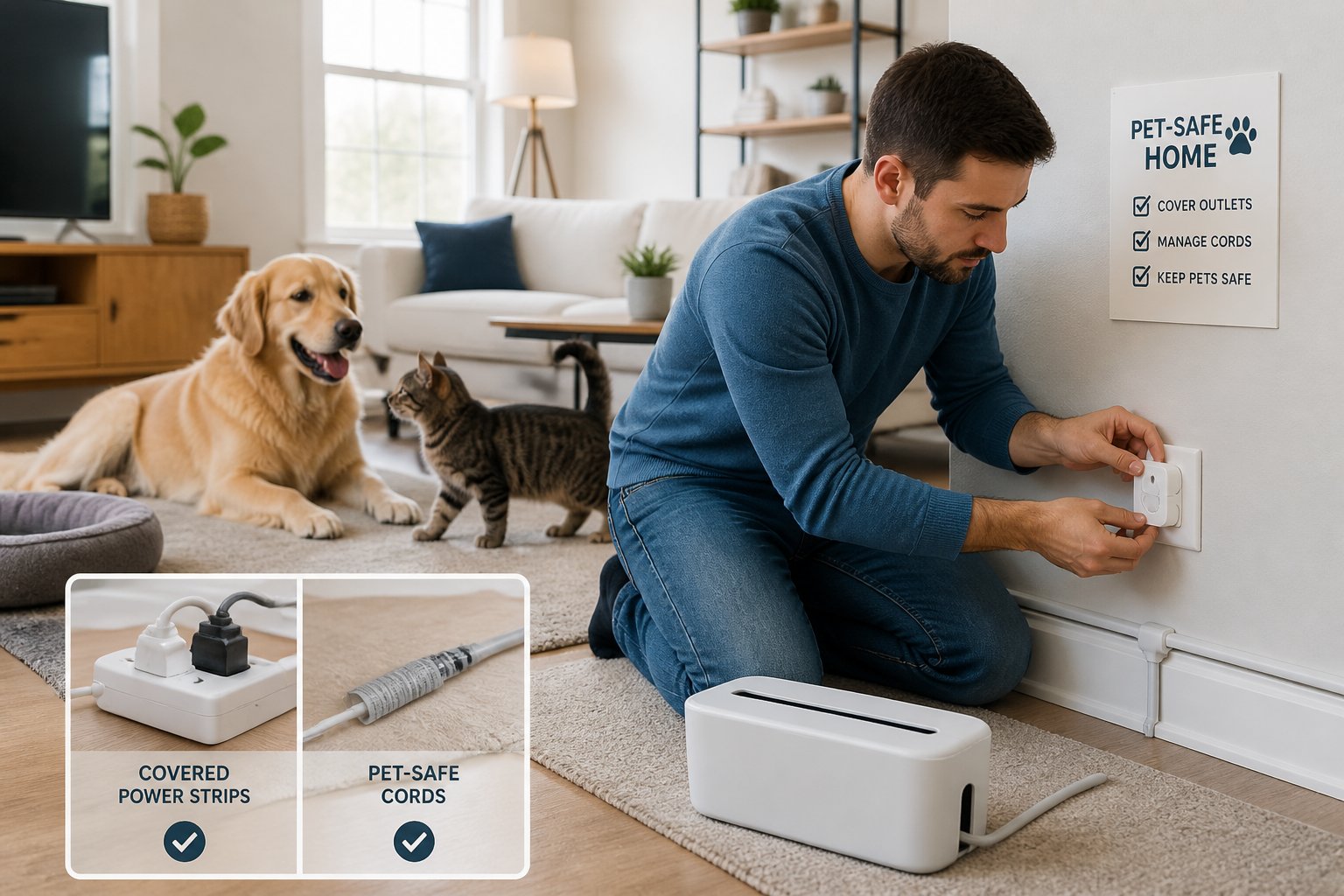
Use power strips for convenience, not as a replacement for permanent wiring. If you’re plugging several heavy-use devices into one strip, you’re risking overload.
Extension cords are for temporary fixes—not for running appliances long-term. Big appliances need their own outlets and, sometimes, dedicated circuits. Unplug what you’re not using, and don’t stretch your system past its limits.
Simple Appliance Safety Habits That Lower Fire Risk
Unplug appliances when you don’t need them, especially ones that heat up or have worn cords. Check cords for cracks, fraying, or loose plugs, and replace damaged stuff instead of taping it up.
Give appliances space to breathe, and keep them away from bedding, curtains, and clutter. These small habits really do help prevent electrical fires.
Use Inspections And Repairs Before Small Issues Spread
Routine inspections help you catch hidden trouble before it grows. A trained pro can spot worn parts, unsafe connections, and aging gear that might look fine on the outside.
What Electrical Inspections Should Check In Older Homes
Inspections should cover the panel, grounding, breakers, outlets, visible wiring, and signs of overheating. For older homes, the inspector should flag outdated systems, bad repairs, and anything that doesn’t meet current safety needs.
A solid check can reveal overloaded circuits, loose connections, and missing protection devices before they get urgent.
Why A Licensed Electrician Matters For Troubleshooting
Licensed electricians know how to trace the real problem—not just the symptom. That’s huge when you’re dealing with tripping breakers, power loss, or hidden damage.
A good electrician explains your options and recommends only what you actually need. If you value honest, clear advice and flat-rate pricing, it makes repairs way easier to trust.
When To Call A Professional Electrician For Same-Day Help
Call for same-day help if you smell burning, see smoke, lose power in part of your home, or notice hot outlets and switches. Act fast if breakers keep tripping or your panel is making weird noises.
AAA Electrical Services stocks their vans so many repairs get handled quickly after diagnosis. That’s a real plus if you want fast, respectful service in Sacramento, Natomas, Carmichael, or nearby spots.
Back Up Your Electrical Safety Plan With Fire Readiness
Even the best maintenance only goes so far if your home isn’t ready to respond. Smoke detectors and fire extinguishers give you extra time and control if something goes wrong.
Smoke Detectors And Early Warning Basics
Smoke detectors are your first line of defense, so put them where they’ll wake you up fast. Test them regularly, swap batteries or units as needed, and don’t let them fade into the background.
If your home has older wiring, early warning is even more important. A detector can buy you the seconds you need to get out and call for help.
Where Fire Extinguishers Belong In The Home
Fire extinguishers should be easy to grab—not buried in a closet. The kitchen, garage, and near an exit are smart spots so you can reach one without walking through danger.
Pick the right extinguisher for home use, and make sure everyone knows where it is. That little bit of planning can make a tough situation less overwhelming.
Building Long-Term Peace Of Mind With Preventive Maintenance
Preventive maintenance keeps small electrical issues from turning into big headaches. Regular checks, timely outlet and switch upgrades, and planning for future loads all help make daily living safer.
For older homes in Sacramento, Woodland, Auburn, and the surrounding areas, that steady approach is usually the most practical. You’ll get better reliability, fewer surprises, and stronger protection for the people you care about.
Frequently Asked Questions
What are the most common electrical fire hazards in older houses?
Outdated wiring, overloaded circuits, loose connections, and old panels top the list. Knob-and-tube wiring, aluminum wiring, and worn outlets can also raise fire risk if nobody’s updated or checked them.
Where do electrical fires most often start inside a home?
Fires often start inside walls, at outlets, in switches, at the panel, or around heavily used appliances. Hidden damage and loose connections can heat up over time before you spot any obvious signs.
What warning signs suggest my wiring or outlets may be unsafe?
Look for flickering lights, buzzing, burning smells, discolored outlets, warm switches, and breakers that trip a lot. If you notice any of these, treat them as hazards and schedule an inspection.
Which electrical upgrades should I prioritize to improve fire safety?
Start with the riskiest wiring and any panel that can’t handle your home’s current load. After that, add AFCI and GFCI protection, plus surge protection where it makes sense, so your system has more layers of defense.
How can I safely use extension cords and power strips to avoid overheating?
Use them for short-term needs, not as permanent wiring. Don’t daisy-chain strips, keep big appliances off the same circuit, and replace cords that feel hot, frayed, or damaged.
What steps should I take to prevent lithium battery fires while charging devices at home?
Try charging your batteries and devices on a solid, nonflammable surface—definitely not on your bed or tucked into the couch. Keep them away from blankets too. Always grab the charger that actually came with your device, and once it’s done charging, just unplug it. If your battery starts to swell, smell weird, or gets way hotter than usual, it’s probably time to stop using it.