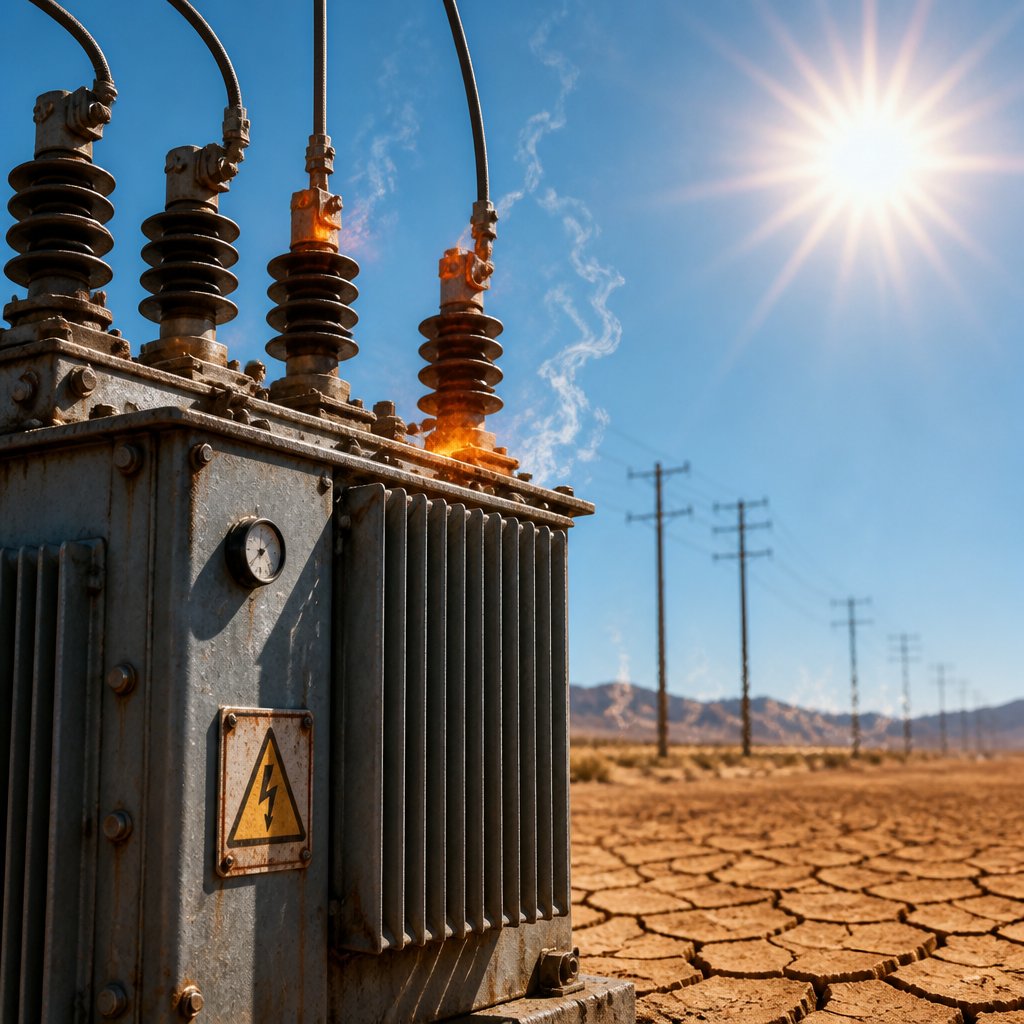
Hot Sacramento-region summers push your home’s electrical system harder than any other season. As the heat rises, your air conditioner runs longer, fans stay on, and all those kitchens, laundry rooms, and home offices pile on extra load. You’ll notice it as tripped breakers, warm outlets, flickering lights, and, of course, those higher summer electricity bills.
If you want to reduce electrical wear during peak summer usage, start by cutting strain before your system gets pushed to its limits. A few tweaks to cooling habits, home sealing, lighting, and load management can protect your wiring and help trim your summer electric bill at the same time.
Key Takeaways
- Lower demand before your system gets overwhelmed.
- Keep cool air in, hot air out.
- Catch warning signs before little problems grow.
Reduce Load Before Your System Gets Stressed
Your electrical system lasts longer if it’s not always running at max. Smart scheduling, better thermostat settings, and using fewer heat-producing appliances during peak hours all help ease strain on breakers, wiring, and cooling equipment.
Set Cooling Equipment For Efficiency, Not Overwork
A smart or programmable thermostat can keep your cooling system steady without making it work overtime. Set the temperature for comfort and efficiency, and avoid big swings that force the system to run harder. If you’ve got a smart thermostat, use its scheduling features to keep things comfortable without racking up unnecessary peak-hour run time.
Regular HVAC maintenance matters, too. A dirty filter or neglected system makes everything work harder. In homes across Sacramento, Roseville, Elk Grove, and Folsom, that extra effort adds up fast during a heat wave.
Use Fans And Smarter Scheduling To Cut Peak Demand
Ceiling fans help you feel cooler, so you can raise the thermostat a bit without losing comfort. That means your cooling equipment runs less often and your electrical system catches a break. Try a few energy-saving tips like closing blinds in the afternoon and doing laundry early or late.
Avoid Running Heat-Producing Appliances In The Hottest Hours
Skip the oven, dryer, dishwasher, and other heat-makers during the hottest part of the day. They add indoor heat and spike electrical demand just when your home’s already stressed. Move those chores to early morning or evening to protect your system and keep bills in check.
Seal In Cool Air And Keep Heat Out
If cool air leaks out, your HVAC has to work harder to replace it. Simple sealing and shading tricks lower the load on your cooling equipment and keep your electrical system from working overtime.
Close Air Gaps Around Doors, Windows, And Penetrations
Check for spots where conditioned air leaks out—doors, windows, attic accesses, and spots around outlets or wiring. Seal leaks with weatherstripping or caulk, especially around doors and windows you use a lot. Good insulation and sealing can make a bigger difference than you might think.
Improve The Building Envelope To Ease Circuit Demand
Better insulation helps your home hold onto cooled air, so the AC doesn’t cycle as much. That steadier operation means less wear on your circuits and a lower chance of overload during long afternoons. In older Sacramento-area homes, these upgrades can even out comfort room to room.
Block Solar Heat At The Glass Before It Raises Indoor Load
Windows let in a surprising amount of heat on sunny afternoons. Reflective window film, blinds, and shaded coverings stop solar gain before it turns into extra cooling demand. That keeps your system more balanced during peak hours.
Protect Panels, Breakers, And Circuits From Overheating
Your panel and circuits do the heavy lifting during summer, especially when cooling loads spike. Keeping an eye out for warning signs and spreading demand can help avoid overheating, nuisance trips, and pricey damage.
Recognize Signs Of Electrical Wear During Heavy Summer Use
Watch for breakers that trip often, warm outlets, lights that dim when big appliances kick on, or a panel that feels hotter than usual. These are red flags for overloaded circuits or aging components. If you spot repeated issues, it’s time to call a licensed electrician before things get worse.
Spread High-Demand Appliances Across Safer Circuit Capacity
Don’t make all your high-demand appliances fight for the same circuit. A load management system can help in bigger homes, but even changing habits—like running one major appliance at a time—makes a difference. Spreading loads is one of the best ways to cut electrical wear during peak summer usage.
Know When Dedicated Lines Or A Panel Upgrade Make Sense
Some appliances really need their own circuits. If you’re adding an EV charger, backup generator, or bigger cooling equipment, a panel upgrade might be the smart move. AAA Electrical Services helps homeowners in Natomas, Carmichael, and Rancho Cordova plan capacity before summer exposes a weak system.
Use Lighting And Electronics More Strategically
Lighting and plug-in gadgets seem small, but they add up during long summer days. Cooler, more efficient choices can cut heat and lower the background strain on your electrical system.
Replace Hotter Bulbs With Cooler, Lower-Demand Options
If you haven’t already, switch to LED lighting. LEDs use less energy and give off way less heat than old bulbs, which also helps your cooling system a bit. Swapping out old fixtures or bulbs for LEDs is about the easiest upgrade you can make.
Prevent Summer Damage From Voltage Spikes And Storm Activity
Summer storms and utility hiccups can send voltage spikes through your electronics. Surge protection guards computers, TVs, routers, and smart home equipment from sudden damage. Whole-home surge protection is a smart move if you want better protection for the stuff you rely on every day.
Limit Plug-In Habits That Add Hidden Strain
Unplug chargers and devices that sit idle for days, especially in rooms that already run warm. Power strips help organize things, but they don’t cut demand if everything stays on. Little habits like this can keep hidden load from piling up over the summer.
Inspect The System Before Minor Wear Turns Into Repairs
Summer’s a good time to spot early warning signs before they become a hassle. Safe checks can catch obvious stuff, but repeated electrical problems really need a pro.
What Homeowners Can Check Safely
You can look for scuffed cords, loose outlets, warm switch plates, tripped breakers, and discoloration around receptacles. Make sure vents and panel access are clear, and nothing’s blocking airflow around equipment. If you smell something burnt or see damage, stop using that circuit and call for service.
When Repeated Tripping Or Flickering Needs A Licensed Electrician
If you’re dealing with repeated tripping, flickering lights, buzzing outlets, or hot panels, you need more than a reset. A licensed and certified electrician can track down the problem, test the circuit, and recommend real repairs. With same-day service and stocked vehicles, most problems get fixed faster and safer.
Why Preventative Service Matters In Older Sacramento-Area Homes
Older homes in Sacramento, Auburn, Woodland, and Fair Oaks weren’t built for today’s cooling loads, electronics, and kitchen appliances. Preventative service helps you spot weak breakers, aging wiring, and panel issues before the heat puts them under pressure. Having honest, clean, and respectful technicians really does make a difference here.
Plan Upgrades For Long-Term Summer Reliability
The best results come from planning ahead—not waiting for a meltdown. Smart upgrades improve safety now and get your home ready for whatever’s next.
Future-Proof For EV Chargers, Backup Power, And Modern Loads
Thinking about an EV charger, generator, solar, or new appliances? Plan for that capacity before the next heat wave. Future-proofing your home means checking the panel, circuits, and service size so your system can handle what’s coming. That’s especially helpful in growing areas like Roseville, Rocklin, and El Dorado Hills.
Choose Improvements That Balance Safety, Comfort, And Efficiency
The right upgrades should keep your family safe, lower stress on your system, and make your home comfortable all summer. Transparent flat-rate pricing and straightforward recommendations help you pick repairs or upgrades with confidence. When your electrical system actually fits your lifestyle, you get better peace of mind—no matter how hot it gets.
Frequently Asked Questions
How can I use less electricity during the hottest hours of the day?
Shift big appliance use to early morning or evening, and keep blinds or shades closed on sunny windows. A slight thermostat bump and ceiling fans help your cooling system work less.
What are simple thermostat and ceiling fan settings that help cut summer power use?
A programmable or smart thermostat can raise temps when you’re away or asleep. Ceiling fans should run only when you’re in the room—they cool people, not the air.
Which appliances should I avoid running during peak hours, and when is the best time to use them instead?
Skip the oven, dryer, dishwasher, and large laundry loads during the hottest afternoon hours. Early morning or after sunset is usually best, since both indoor heat and electrical demand are lower.
What quick DIY home energy audit steps can help me spot the biggest summer energy drains?
Look for air leaks, poor window shading, dirty HVAC filters, and lights or electronics left on when they’re not needed. Listen for breaker trips, check for warm outlets, and notice which rooms are hardest to cool.
When is a whole-home energy assessment worth it, and what benefits should I expect?
It’s worth it if your bills keep climbing, rooms feel unevenly cooled, or your panel is nearing capacity. You’ll get a clearer sense of where energy’s being lost and which fixes will give you the most bang for your buck.
Are there any free or government-supported home energy audit programs I can look for?
Absolutely, there are quite a few utilities and local programs out there that might offer rebates, discounted energy audits, or some kind of support for boosting your home's efficiency. If you're in the Sacramento area, it's definitely a good idea to reach out to your utility provider and poke around for any local energy-efficiency programs—they change now and then, so you never know what's available until you ask.