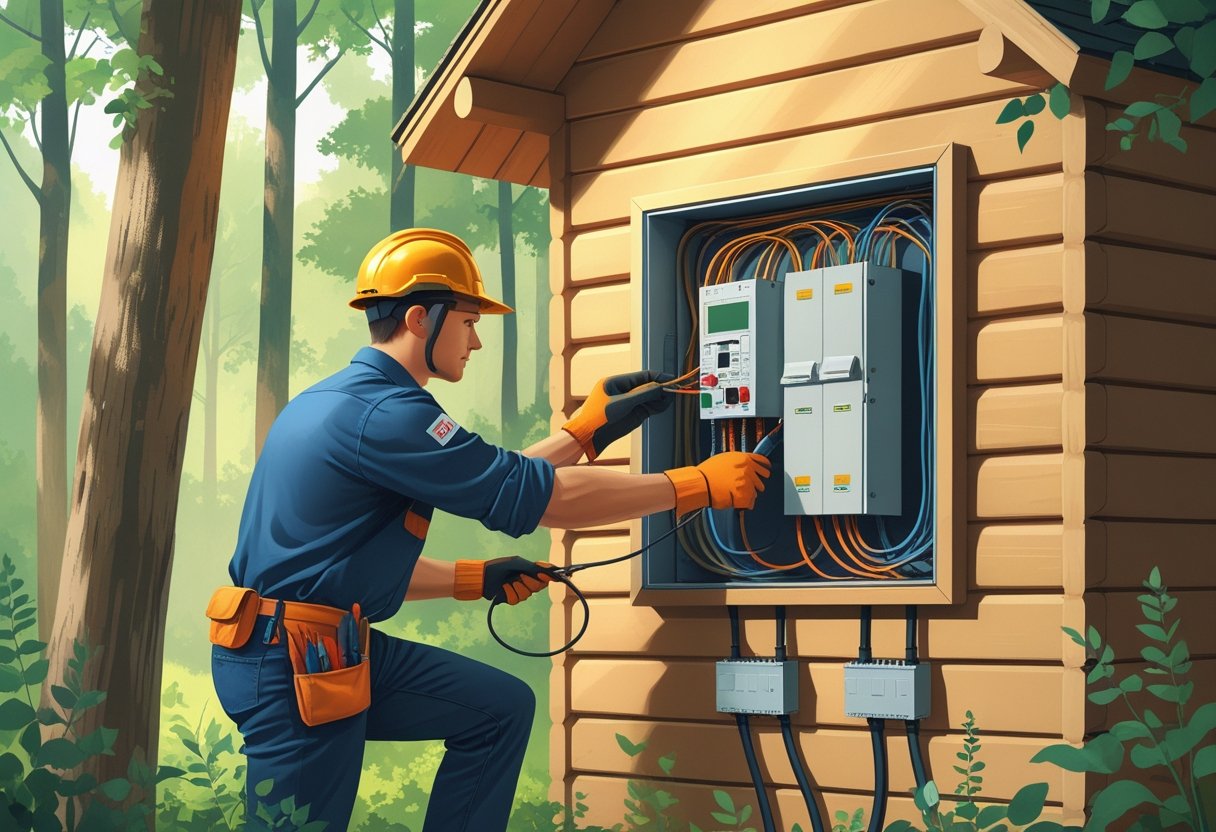
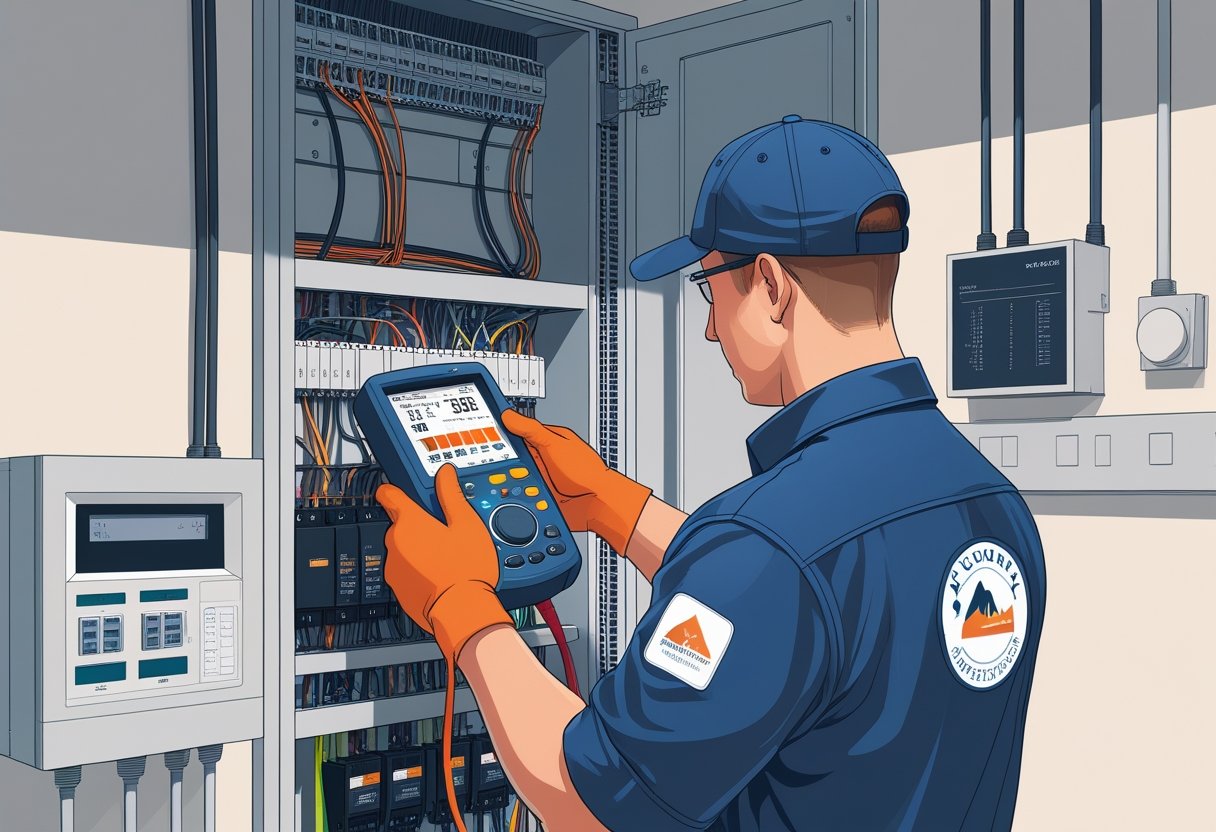
Protecting outdoor electrical fixtures from the weather doesn’t have to be complicated, but it does make a big difference. Rain, wind, and wild temperature swings can mess up your equipment or even create hazards if you don’t seal or maintain things right. The best ways? Use weatherproof covers, install GFCIs (ground-fault circuit interrupters), and check for damage or corrosion every so often.
Following these tips helps you avoid shocks, short circuits, and those annoying (and expensive) repairs. If something’s not working, AAA Electrical Services can send out a licensed pro the same day. They’ve been around Sacramento for over 42 years, and they really do treat your home like it’s their own. Safety-first electrical work is their thing—your family’s protection comes first.
Protecting your outdoor outlets and fixtures isn’t just about maintenance. It’s peace of mind. Keeping things dry, clear of junk, and covered properly goes a long way in dodging electrical hazards, no matter the season.
Understanding Outdoor Electrical Fixtures
Outdoor fixtures come in all shapes and sizes, and each faces its own set of risks. Knowing what you’ve got, what can go wrong, and why weatherproofing matters? That’s half the battle.
Types of Outdoor Electrical Fixtures
Most homes have a mix—security lights, porch lights, outdoor outlets, landscape lighting, maybe even garage door openers or pool/spa hookups outside.
Each type needs something a little different. Landscape lights are usually low voltage and need water-resistant housings. Outdoor outlets? They need covers that actually keep water out. Using the right fixture for the job saves you hassle (and money) down the road.
A lot of newer fixtures already have some weather resistance, but always check the IP rating (Ingress Protection) when you’re shopping. That’s your quick clue about dust and water resistance.
Common Outdoor Electrical Hazards
Outside, you’ve got hazards you just don’t see indoors:
- Water: Rain, snow, sprinklers—any of it can cause shorts or corrosion.
- Temperature swings: Sun and cold wear down plastics and metals.
- Pests: Bugs and critters love sneaking in and chewing on wires.
- Physical damage: Lawnmowers, storms, even a stray soccer ball can break things.
Any of these can mean sparks, power surges, or dead fixtures. Outdoor wiring gone bad? That’s a real fire risk. So, it’s worth checking outlets and cords before use, especially when the seasons shift.
Why Weather Protection Is Essential
Keeping your outdoor fixtures weatherproof isn’t just about keeping things running—it’s about keeping everyone safe. Moisture in an outlet can mean shocks or shorts. It also just wears stuff out faster, which adds up in repair bills.
Weather protection means using sealed covers, gaskets, and weatherproof boxes. A whole-house surge protector is a smart move if you’re worried about lightning or power spikes.
AAA Electrical Services can install weather-resistant outlets and surge protection around Sacramento. Their techs know how to keep your outdoor power reliable and safe.
Choosing Weatherproof Electrical Fixtures
If you want your outdoor fixtures to last, pick stuff that’s built for the elements. Focus on strong materials, the right ratings, and matching your fixtures to where they’ll actually live.
Selecting the Right Materials
Go for rust-resistant metals like stainless steel or aluminum. They hold up outside and don’t corrode easily. Plastic can work too, but only if it’s UV-resistant—otherwise, the sun will wreck it.
Glass covers should be thick and sealed tight. Skip the flimsy stuff. Look for rubber gaskets or weatherproof seals—those little details really do block water.
Strong materials mean fewer breakdowns. That’s more years of working lights and outlets.
Understanding IP and NEMA Ratings
Every fixture has a rating that tells you how tough it is. IP (Ingress Protection) uses two numbers:
- First: solids like dust.
- Second: water.
For outside, you want at least IP44 (splashing water protection). If the fixture is going to get hit by rain, go higher—IP65 is solid.
NEMA ratings are another way to judge. NEMA 3R is usually enough for most outdoor setups.
Know these ratings and you’ll pick stuff that actually stands up to your weather.
Ensuring Compatibility With Outdoor Environments
Not all outdoor spots are the same. Near the ocean? You need fixtures that resist salt. Sunny backyard? UV protection is a must.
Think about temperature swings too. Some plastics get brittle in the cold or weirdly soft in the heat.
AAA Electrical Services helps Sacramento homeowners pick what works for their climate. They make sure your outdoor electrical gear is up to the job.
Installing Protective Covers and Enclosures
Rain, dirt, wild temperature changes—your fixtures need real protection. The right covers and enclosures keep moisture and debris out while still letting you use everything safely.
Using Weatherproof Outlet Covers
Weatherproof outlet covers are designed to protect outdoor sockets from rain and dust. They snap shut when nothing’s plugged in, keeping water out.
Look for covers labeled “weatherproof” or “in-use.” That way, you can leave things plugged in and still keep everything protected. Plastic and metal both work, but metal’s tougher.
Check that the cover fits your outlet and is rated for outdoor use. It should open easily but stay closed on windy days.
Benefits of Waterproof Electrical Boxes
Waterproof boxes keep switches and wires sealed inside. They’re usually tough plastic or metal with rubber gaskets to block leaks.
These boxes help stop corrosion and outages, and they keep bugs and dirt out. If you’ve got exposed wiring outside, waterproof boxes are a must. They protect the fixtures and your home’s electrical system.
Proper Installation of Enclosures
Installing covers right is just as important as buying the right ones. Turn off the power first—don’t just guess, use a tester.
Follow the manufacturer’s instructions for screws and sealants. The box or cover should sit flush against the wall so water can’t sneak in.
If you’re not sure, have AAA Electrical Services handle it. Their certified team gets it done right and puts safety first.
Sealing and Insulating Outdoor Fixtures
Rain, humidity, wild temperature swings—they’re all rough on outdoor fixtures. Sealing and insulating keeps water out and helps avoid shorts, corrosion, and electrical hazards.
Applying Waterproof Sealants
Waterproof sealants are your friend here. They create a barrier that keeps water out of cracks and gaps.
Use silicone-based or polyurethane sealants—they stay flexible and don’t crack when the weather changes. Apply carefully around boxes, switches, and fixture bases. Make sure everything’s clean and dry first.
Check the sealant every year. If it’s cracked or peeling, reapply so you don’t lose protection.
Using Gaskets and Caulking
Gaskets—those rubber or foam pads—fit between fixture parts and block water. Use weather-resistant ones made for outdoor electrical stuff. If a gasket looks worn, swap it out during repairs.
Exterior-grade caulking around fixture edges fills gaps where water might sneak in. Using both gaskets and caulking gives you a snug, watertight fit.
Not sure what to use? AAA Electrical Services can help you pick the right products.
Preventing Moisture Buildup
Even if water doesn’t pour in, moisture can still build up inside and cause problems. Make sure there’s some airflow when you can, and pick fixtures designed to resist moisture.
Don’t box fixtures in so tight that air can’t move. Weatherproof covers with seals and drainage holes are a good idea.
Check for trapped moisture during your regular inspections. If you spot cloudy glass or rust, it’s time to act. Staying on top of this helps keep your outdoor electricity safe and long-lasting. More safety tips here.
Maintaining Outdoor Electrical Fixtures
Keeping outdoor fixtures in good shape means checking them often, cleaning them right, and swapping out damaged parts quickly. This helps prevent bigger problems and keeps your home safer.
Regular Inspection Tips
Take a look at your outdoor fixtures now and then. Check for cracks, rust, or loose connections—anything that could let water in. Make sure wires are sealed and not poking out.
Trim back plants or branches that block fixtures. Test GFCI outlets regularly to make sure they trip like they should. It’s a quick way to guard against shocks, especially when it’s damp.
Spot something weird? Call a licensed electrician like AAA Electrical Services for a closer look.
Cleaning Techniques for Longevity
Dust, dirt, cobwebs—they all pile up. Wipe fixtures with a soft cloth. Skip the harsh chemicals; mild soap and water are usually fine.
Always turn off power before cleaning. Clean covers and bulbs gently to avoid breaking them. Less grime means less overheating and brighter lights.
Clean fixtures last longer and look better. It’s a small step that pays off.
Replacing Damaged Components
If you see cracked covers, frayed wires, or busted bulbs, don’t wait—replace them. Damaged pieces let in moisture and boost the risk of shocks or shorts.
Buy parts made for outdoor use, with weatherproof features. Not sure what you need? AAA Electrical Services can help, and they usually have the parts on hand for a quick fix.
Swapping out worn components keeps everything working and keeps your family safe.
Upgrading for Enhanced Weather Protection
Sometimes, upgrading is the best way to keep outdoor fixtures safe from the weather. Smarter devices and better materials can help you avoid damage from rain, wind, and temperature swings. There are plenty of options that fit different needs and offer real protection against moisture, dirt, and electrical risks.
Smart Outdoor Electrical Solutions
Smart outdoor electrical devices make life easier and safer. Weatherproof outlets with built-in covers block water and lower shock risks. GFCI outlets cut power instantly if something’s wrong—absolutely essential outside.
Think about timers or smart switches made for outdoors. They let you schedule lights or appliances, or even cut power during storms. Some can connect to your phone, so you can keep an eye on things wherever you are.
If you’re thinking about upgrades, AAA Electrical Services can install everything safely. Their licensed team knows the weather in Sacramento, so your fixtures are set up to handle whatever comes.
Advanced Protective Features
Check for electrical fixtures and outlets with NEMA-rated enclosures—these labels show how well the product stands up to dust and water. For outdoor fixtures exposed to rain or snow, ratings like NEMA 3R or above are ideal.
Don’t overlook surge protection. Lightning strikes or sudden power surges can fry outdoor fixtures in no time. A whole-house surge protector shields your entire system, including those outdoor outlets, from voltage spikes.
If you’re adding more outdoor gear and your system feels stretched, upgrading your electrical panel helps. A panel with enough capacity and the right breakers cuts down on overloads and electrical faults, especially when storms hit.
Outdoor Electrical Safety Tips
Keeping your outdoor electrical fixtures safe isn’t just about the right gear—it’s about habits, too. If you spot trouble early, you can avoid shocks, fires, or expensive fixes. Watching how you use your outlets and catching issues before they escalate keeps your place safer.
Safe Operation Practices
Stick with outdoor-rated extension cords and plugs—they’re built to handle whatever the weather throws at them. Never daisy-chain extension cords; that’s just asking for trouble. Before plugging in garden lights or power tools, double-check that everything’s dry and undamaged.
Install Ground Fault Circuit Interrupter (GFCI) outlets outside. They’ll cut power if they sense water or electrical faults. Not sure if your outlets are up to snuff? AAA Electrical Services can swing by for quick, same-day help.
Whenever you need to work on outdoor fixtures, turn off the power first. Use insulated tools, and don’t mess with wires when things are wet. Honestly, it’s always smarter to let licensed professionals handle anything risky—they know the drill.
Recognizing Warning Signs of Damage
Keep an eye out for cracks, discoloration, or melted plastic on cords and outlet covers. Rust or corrosion around fixtures? That’s a sign water’s getting in, and it’s not good. Flickering lights or outlets that stop working are also warning signs that shouldn’t be ignored.
If you catch a whiff of burning or spot scorch marks near outdoor outlets, shut off the power immediately and call for help. Wiring issues like these can start fires if left unchecked. AAA Electrical Services techs show up fast, vans stocked, ready to fix things the same day.
Regular home electrical inspections, especially after rough weather, help spot hidden problems. Staying on top of maintenance and repairs is just part of keeping your home safe.
When to Contact a Professional Electrician
If your outdoor fixtures look worn or damaged, it’s time to call a pro. Flickering lights, exposed wires, or breakers that keep tripping? Those are classic signs you need expert attention. DIY fixes can get dangerous fast.
Cracked covers or non-weatherproof fixtures are another reason to bring in help. Water and electricity aren’t friends, and a licensed electrician will make sure everything’s sealed up tight.
Thinking about new installations or upgrades, like security lighting or swapping outlets? Let the professionals handle it. AAA Electrical Services sends certified techs with fully stocked vans—so you’re not waiting around for parts.
If you’re not quite sure whether you need an inspection or a repair, just ask an expert. An electrical inspection can spot hidden risks before they turn serious. AAA Electrical Services keeps it family-focused, with flat-rate pricing and honest advice to help you breathe easier.
Frequently Asked Questions
Protecting outdoor electrical fixtures takes the right covers, materials, and installation methods. You’ve also got to watch for moisture and weather damage if you want things to last.
What's the best way to weatherproof outdoor light fixtures?
Pick fixtures made for outdoor use, complete with weather seals. A little silicone caulk around any gaps keeps water out. If possible, make sure there’s drainage so water doesn’t collect inside.
Is it necessary to use waterproof covers for outdoor outlets?
Absolutely. Waterproof covers keep outlets dry and prevent short circuits. Look for covers that seal tight and either close automatically or stay shut when not in use.
How can one prevent moisture accumulation in exterior electrical boxes?
Install boxes with built-in weep holes or drainage. Weatherproof gaskets and a good seal around the edges help, too. Place boxes where water won’t pool or drip right on top.
Are there specific materials recommended for outdoor electrical wiring protection?
Go with outdoor-rated wire, like UF-B or THWN. They’re built to resist moisture and sunlight. Running wires through conduit made for wet locations adds another layer of protection.
What precautions should be taken when installing outdoor electrical fixtures in a wet environment?
Always cut the power first. Choose fixtures and boxes rated for wet areas, and use weatherproof seals. Tighten all connections and use waterproof connectors to keep things safe.
Can outdoor extension cords be left exposed to the elements?
No, most outdoor cords just aren't built to handle being left outside all the time. If you need to use an extension cord outdoors, unplug it when you’re done and bring it back inside. For something more permanent, it’s smarter to call a licensed electrician to install proper wiring or outlets.
If you’re looking for help with outdoor electrical safety, AAA Electrical Services covers Sacramento and nearby areas. They focus on fast, reliable work, always keeping your family’s safety front and center.